



Disappointment for the 'New Iraq'
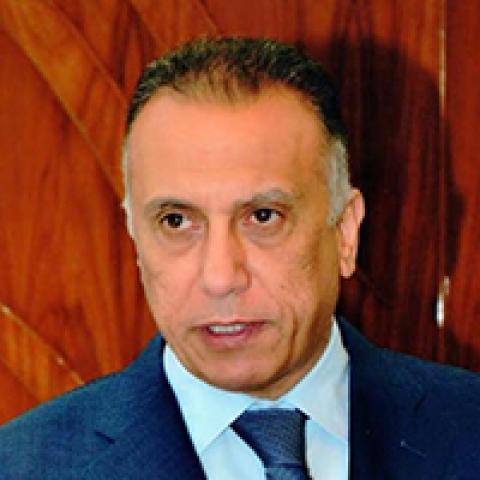
Ten years after the end of Saddam Hussein's regime, many Iraqis feel disappointed that not much progress has been made, writes Mustafa al-Kadhimi.

It was not easy for Bashir Ali, 55, to recall what he lived through when he was in the prisons of Saddam Hussein’s regime during the 1980s. He could not hold back his tears when he recalled being raped to force him to confess for plotting against the regime and for belonging to the Islamic Dawa party. But when he compares Iraq back then to what it is today, what he says is surprising: “Ten years after Saddam Hussein’s regime has ended, what we have is not better.”
Ali, a Shiite from southern Iraq, is an unusual witness because he does not look at things from the perspective of his personal tragedy. He said, “Today, there are no public services, no security, and Iraq is on the brink of civil war. We are almost at an impasse. Yes Saddam was unjust, but his reign provided security and public services. The regime that succeeded him has betrayed our dream in having security and stability.”
Most Iraqis who talk about Iraq’s condition today feel that frustration, but not all of them have lost hope.
Duaa’ al-Marshidi discovered in 2003, at the age of 18, that her guardians were not her true parents as the official papers have always shown. Her true parents were martyrs who were killed by Hussein’s regime on charges of belonging to an opposition party.


