



Iraqi Provincial Election Campaigns Begin
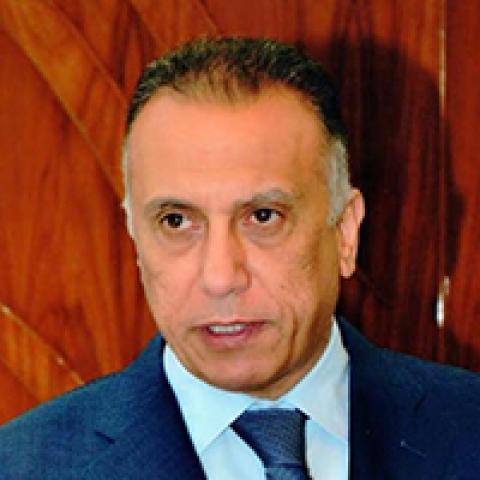
The electoral campaigns are starting for the April 2013 elections, with calls from senior clerics for clean campaigning by candidates, writes Mustafa al-Kadhimi.

A few days ago, provincial electoral campaigns were launched in 14 Iraqi governorates. The provinces of the Kurdistan region and Kirkuk were not included.
As personal, political and familial propaganda reigned, election platforms tackling the development and the lack of services were — as usual — absent. The political parties and candidates did not present any real approach to the endemic problems, nor did they suggest mechanisms for solutions.
The electoral season that normally starts with provincial elections — scheduled for April 20 — and ends with parliamentary elections — set for 2014, was not any different from previous seasons. Political and economic crises, sectarian speeches and security concerns lie at the heart of any election. Yet, this season is characterized by additional phenomena, such as the rise of political families and undeveloped political performance.
A total of 8,100 candidates belonging to 265 political groups and 50 coalitions, at least half of which represent the parties that have been in power since 2003, are competing for a total of 447 seats.


