



Former Israeli Minister Calls Palestinian State Unavoidable
Ephraim Sneh, former Labor minister and today’s worried citizen, tells Mazal Mualem that whether Israel likes it or not, a Palestinian state will come.
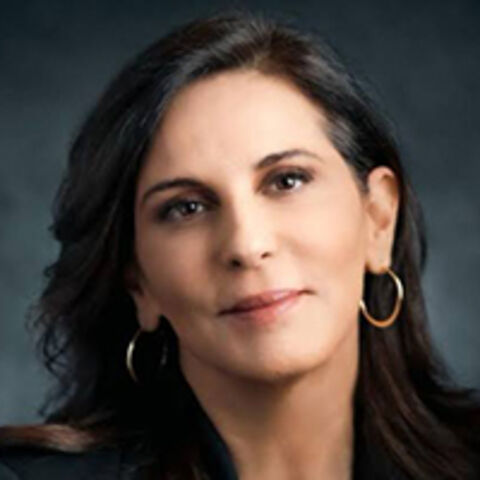

Five years have passed since Ephraim Sneh last served in a ministerial position, yet that has not distanced him from the diplomatic security issues that are so close to his heart. Even before Sneh began his political career (as Labor minister), he served in a series of senior IDF positions, including Chief Medical Officer and then command positions in Lebanon and Judea and Samaria. Now he is concerned about the diplomatic blindness that, he feels, has struck Israeli leadership. Sneh left the Labor Party in 2008 after he argued that it was not fulfilling its social and diplomatic objectives. He established his own party, Israel Hazaka, which ran in the 2009 elections, but did not pass the minimum Knesset threshold. At that point, Sneh left politics for good and became a businessman and entrepreneur.
Ever since, he has been in and out of Israeli public affairs. While Sneh continues to be updated by and meet with high-placed Israelis, Palestinians and Americans, he is far from the center of the action. In the past year, he met (separately) with former prime minister Ehud Olmert and Palestinian Authority Chairperson Abu Mazen (Mahmoud Abbas). Sneh became convinced that a historic opportunity for attaining a final-status agreement with the Palestinians was squandered by Olmert’s departure from the political arena. Sneh is considered, even today, a person with great expertise in the Arab world. He foresaw today’s Iranian nuclear situation two decades ago, a long time before Prime Minister Benjamin Netanyahu and former defense minister Ehud Barak.
We can be part of the process or oppose it. It won’t make a difference. A Palestinian state will rise, like it or not.
I met Sneh about two weeks ago when he spoke at a convention at Tel Aviv University on the subject of the diplomatic-economic ramifications of a future peace agreement with the Palestinians. Sneh’s opening message, delivered in his typical decisive manner, was that a Palestinian state is “an accomplished fact.” We can be part of the process or oppose it, he said. It won’t make a difference. A Palestinian state will rise, like it or not.


