



Palestine Should Not Wait for Obama
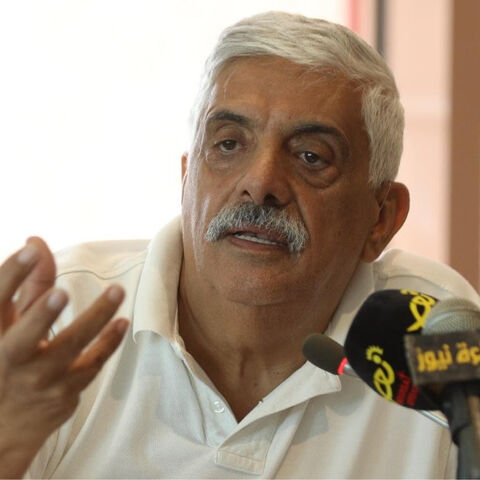
Senior Fatah official Husam Zomlot speaks to Daoud Kuttab of the need for Palestinians to press ahead with their own strategic track, and not wait for the United States to impose a solution.

As Palestinian political strategists are in the process of preparing for the first visit ever of President Barack Obama to the state of Palestine, new thinking is emerging. Instead of routinely preparing for a set of demands and tactical gains to be accomplished, some are worried that the visit might slow down a paradigm shift that has been taking place in the direction of the Palestinian leadership.
One of the young rising stars in the Fatah movement, Husam Zomlot, explains to Al-Monitor the new thinking using a sports metaphor, “For 20 years, we have been playing on someone else’s playground, according to their rules, their fans and even their referee.” Zomlot says that the playground is the peace process as it stands now, which treats both parties as equal, requires that they come to a compromise on their own with each side giving a little, with some possibilities of confidence-building measures in the process.
The former Harvard and London School of Economics scholar explains that "in this paradigm, ending illegalities like military occupation, depopulation and colonization, segregation, blockades and apartheid policies are not unconditional obligations as should be the case under international law, but considered Israeli gestures of good will and painful compromises.”
"The purpose of controlling and keeping the process is exactly to prevent the outcome" and that "no matter what you do within this framework, it's designed not to challenge the status quo, but to comfort it," he insists.


