



Netanyahu and Israel's Crisis of Democracy
Ben Caspit discusses how a recent incident involving Israel's representative to the United Nations, Ron Prosor, reflects an increasingly oppressive atmosphere in Jerusalem, where critics of Prime Minister Benjamin Netanyahu are expected to remain silent.
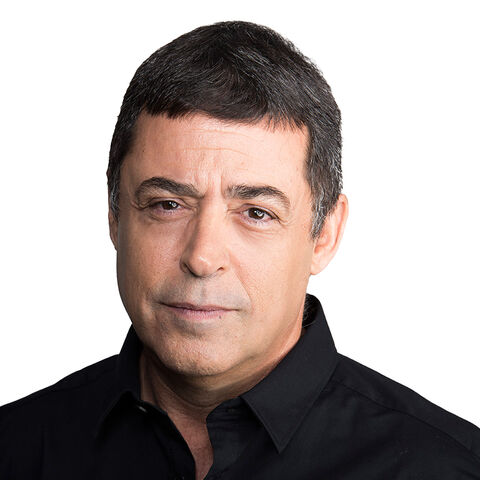

Ron Prosor is one of the most distinguished ambassadors in the history of the Israeli Foreign Service. He was the No. 3 man at the embassy in Washington. He was director general of the Ministry of Foreign Affairs under Silvan Shalom; he was a highly respected ambassador to the United Kingdom, and he is now in charge of Israel's public diplomacy efforts as Israel's permanent representative to the United Nations.
These days Prosor has another political edge: He is a right winger. Par excellence, articulate, free thinking. He doesn't belong to the ideological right. He's not a settler and is not religious, but he is a proud, sane and eloquent member of the Israeli right. In other words, an asset to Israeli public diplomacy, an asset to the Israeli right, and an asset to Prime Minister Benjamin Netanyahu and Foreign Minister Avigdor Liberman, who appointed him to his current position.
About two weeks ago, Prosor participated in an event in Jerusalem that was held as part of the annual conference of Israel's ambassadors. Once a year, Israeli ambassadors who serve around the entire world, convene in the nation's capital to hear and be heard, to provide and receive briefings. During the lecture given by National Security Advisor Yaakov Amidror, Prosor made the biggest mistake of his life when he raised his hand to ask a question. It related to the Israeli announcement regarding construction in the disputed E1 area east of Jerusalem, an announcement that was made the day after the US veto in the Security Council in favor of Israel.
Prosor did not dispute the Israeli position calling for construction in this area, but the timing. He simply asked Amidor, "How are we supposed to explain this kind of move?" Especially after the US isolated itself, going against the official American position and standing beside Israel, while withstanding an avalanche of scathing international criticism. Prosor echoed the thoughts of many of the ambassadors who were sitting in the hall but didn't have the courage to raise their hands and ask. Why, what is it that propels Israel to stab its best friend in the back as well. Why oppose and anger and do everything possible to show the world that Israel lacks even the most minimum sensitivity to the needs of its allies. Or, as Prosor put it, "How are we supposed to explain it?"


