



The Palestinian Role in Jordan’s Elections
Daoud Kuttab writes that Jordanian Palestinians for the first time have reached parliament on their own, without the political baggage of the Islamic Action Front, which boycotted the recent elections.
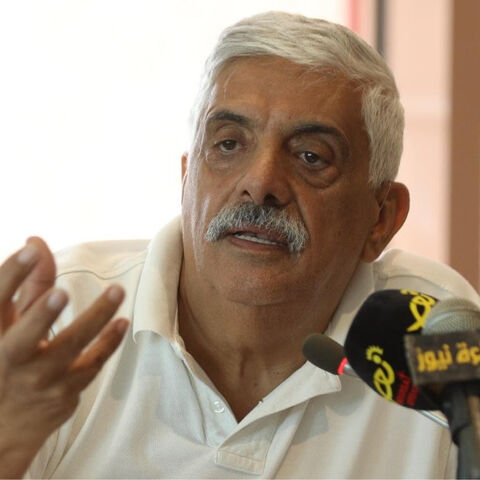

Palestine was very much present in the latest elections of the 17th Jordanian parliament. But it wasn’t the way you think.
In Jordan, Palestine is a consensus issue. Very few people differ on the need to end the Israeli occupation and setting up a Palestinian state. The Palestinian role in Jordan’s elections has much more to do with representation rather than political platforms.
Ever since the creation of the modern Kingdom of Jordan under the leadership of King Hussein, Palestinians have been an integral part of the country. Palestinians have been part of the Kingdom ever since the Transjordan Emirate was made into the Hashemite Kingdom of Jordan in 1946. Two years later, and as a result of the 1948 war and the nakba (catastrophe), a wave of Palestinians from the center of historic Palestine sought refuge in Jordan. In 1952, Jordan officially annexed the West Bank to the Kingdom, giving all those living in both banks of the Jordan River full citizenship. Jordan continued to have a direct role in the West Bank, even after losing the territory in the June 1967 war. However, in 1988 shortly after the first Palestinian intifada, King Hussein cut off administrative relations with the West Bank, thus formally restricting the Kingdom to the territory and the people living on the east of the Jordan River.
Jordanian parliamentary life, which had been suspended since 1967, was revived in 1989 with a new redistricting of the country, largely favoring locations and communities outside the major populated cities where Jordanians of Palestinian origin resided. As a result of this sort of gerrymandering, Jordanian parliaments have never included more than 15% member who were of Palestinian origin. This under representation has often been cited as a source of displeasure and a potential political time bomb in the country.


