



Turkey-Iraq Relations Deteriorate With Accusations of Sectarianism
If Turkey is to succeed in shaping the changing nature of the Middle East, writes Henri J. Barkey, it will have to increasingly interfere in the politics of its neighbors. To Turkey, Iraq's territorial unity is threatened by the Iraqi prime minister’s sectarian policies, and his backing of al-Assad ignores Syria’s complicity in the violence in Iraq.
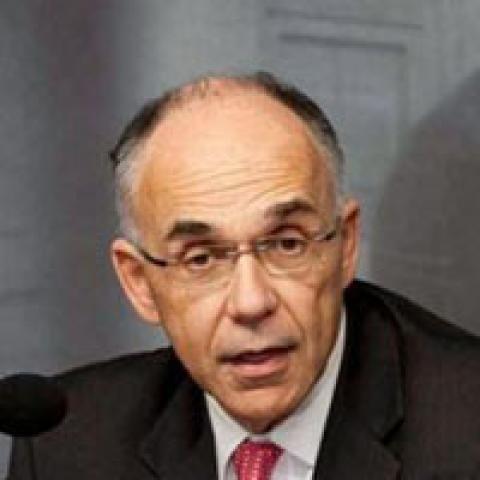

Turkey’s dreams of regional hegemony are driving it into an ever-more antagonistic relationship with Iraq, where Prime Minister Nuri al-Maliki’s policies are threatening the country’s fragile federalism.
The deterioration in relations has gone so far that Maliki has accused Turkey of being an “enemy state” interfering in the domestic affairs of its neighbors and stoking sectarianism. Turkish Prime Minister Recep Tayyip Erdogan has responded that Maliki lacks an understanding of democracy, and that in fact, it is he who has a sectarian mentality.
What accounts for this deterioration? After all, the two countries have one of the closest commercial relationships imaginable. Iraq is the second most important destination for Turkish exports after the European Union. Turkey is Iraq’s second-largest source of imports. However, much of this mutual trade is with the Kurdistan Regional government (KRG) in northern Iraq, which has developed a very close relationship with Turkey. Iraqi oil has been flowing into the Turkish Mediterranean ports for many decades.
From a Turkish point of view, there are two primary reasons for the loss of confidence in Maliki’s government. To be fair, Maliki was never Ankara’s preferred choice for the post of prime minister. Following the 2010 Iraqi elections and the interminable delay over the formation of the new government, Ankara and Washington had sided with Iyad Allawi, the secular Shiite former prime minister who led a largely Sunni coalition. Far more telling was the very close and supportive links Ankara had forged with the current — and fugitive — Iraqi vice president, Tariq al-Hashemi.


