As the national conventions of the two main political parties in the United States grab the media’s attention, the Arab world is beginning to consider the importance of the choice that American voters will make in two months’ time. Four years ago many in the Arab world were deeply moved by the success of Barack Hussein Obama, a young African-American with Muslim family roots. His campaign of hope and his slogan of "Yes We Can" captured the Arab imagination; a similar spirit of hope and empowerment later galvanized Arab youth and Arab citizens in the uprisings of the Arab Spring. And almost all Arabs — conservative and liberal, religious and secular, Sunni and Shiite — were eager to see the departure of George W. Bush.
Today the situation is different. The United States is less omnipresent than it was four years ago; the region is overwhelmed with its own internal and regional crises; and, opinion is divided for and against the current US president. Indeed, many of the region’s surviving state elites — particularly in the Arab Gulf monarchies — have found President Obama too soft on Iran and too sympathetic to democratic uprisings and to Muslim Brotherhood parties that win elections.
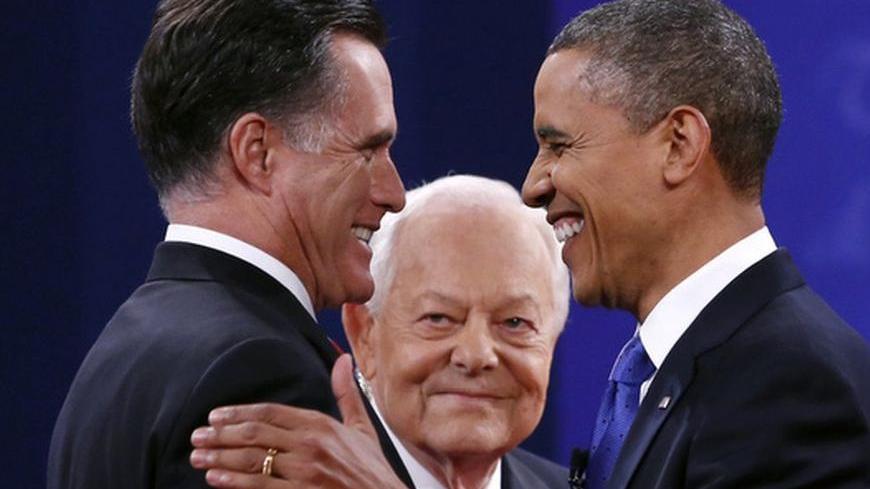
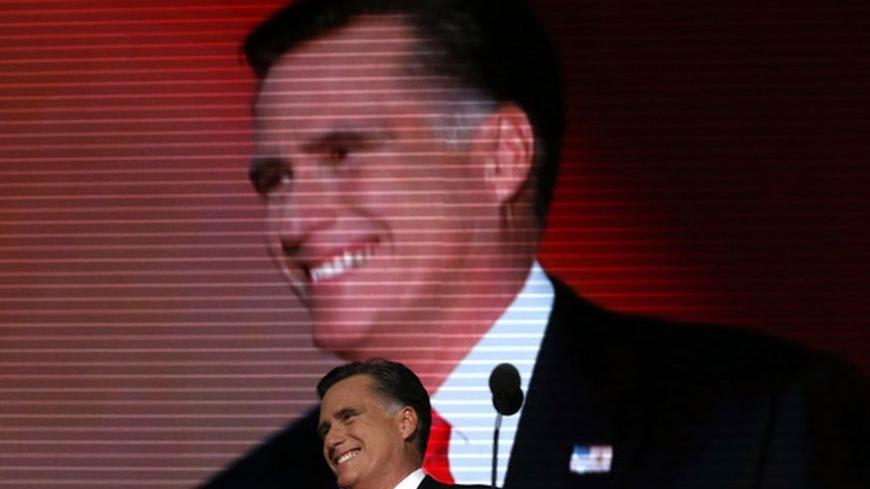
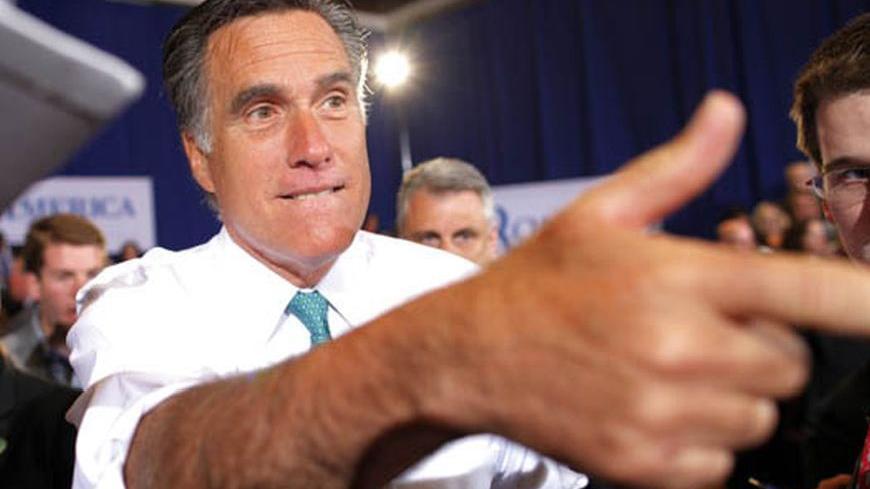
Even in the US, expert opinion is divided as to how much profound change a Mitt Romney presidency or an Obama second term will bring to foreign policy in general, and Middle East policy in particular. There is no doubt that this presidential election is being fought largely on domestic issues. If Obama is threatened in the polls it is because of the slow economy and a high unemployment rate, not because of successes or failures abroad. Voters generally give him high marks in foreign policy: He restored America’s standing and relations in the world after the isolation of the Bush years, withdrew troops from Iraq, set a 2014 date for withdrawal from Afghanistan, killed bin Laden, and escalated a drone war against al-Qaeda — and there have been no terrorist attacks on the US on his watch. Romney’s campaign has congratulated Obama on killing bin Laden but faults him for being too friendly with Russia and China, too lenient toward Iran, too hard on Israel, and too lax in allowing a decline of US power.
If Obama wins a second term, his policy in the Middle East is not likely to change dramatically. The pattern of diminishing American presence, represented by the US withdrawal from Iraq in his first term, will continue with troop withdrawals from Afghanistan in his second term — albeit while continuing the targeted drone campaign against suspected al-Qaeda groups in the region. In North Africa, he will work with the new governments of the post-revolutionary states and continue to build bridges with the dominant Muslim Brotherhood parties, encouraging their shift toward pragmatism and moderation.
AL-MONITOR All-Access gives you unlimited access to all our journalism, the full Daily Briefing, exclusive interviews, premium newsletters, and live events — for less than $2/week.