



No Matter How Egypt Votes, Army Won't Simply Fade Away
Egyptian academic Zeinab Abul-Magd says the upcoming presidential election will end the millitary's interim rule as expected. But in an interview with Al-Monitor's Sophie Claudet, Ms. Abul-Magd says the army will still control the country’s economy and politics. "The revolution is not over," she says. "The president won’t last."
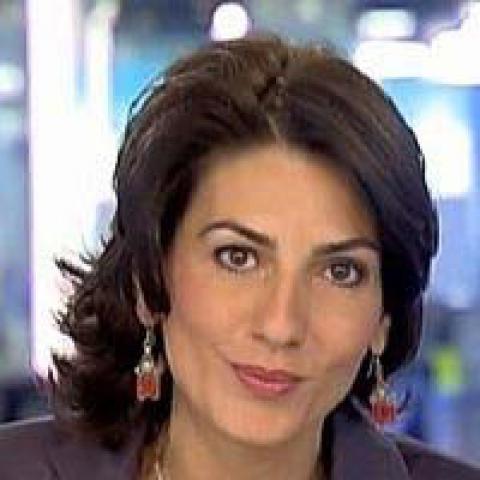

Al-Monitor speaks to Zeinab Abul-Magd, an Egyptian academic who focuses her research on Egypt’s military. She says the upcoming presidential election will put an end to the Supreme Council of Armed Forces’ (SCAF) interim rule as expected, but not to the army’s control of the country’s economy and politics — a situation, she says, which is likely to leave millions of disgruntled voters with a bitter taste in the mouth and a growing appetite for resuming the revolution. Abul-Magd is a professor of Middle East history at Oberlin College and assistant professor at the American University in Cairo.
Al-Monitor: Should one be concerned that the SCAF will fail to return Egypt to civilian rule after the May 23-24 election and the projected run-off on June 16-17?
Abul-Magd: I don’t see any reason why they shouldn’t. The SCAF made sure to vet the contestants so they didn’t pose any threats to military institutions. They excluded potentially problematic candidates such as [former intelligence chief] Omar Suleiman, the Brotherhood strongest candidate Khairat al-Shater and Hazem Abu Ismail, the Salafi preacher with a large following.
Al-Monitor: You mean that the 12 contestants left are more docile?


