RAMALLAH – A World Bank report released Wednesday urged international donors to react quickly to a deep fiscal crisis in the Palestinian territories. The Palestinian Authorities have been under significant pressure this month due to a sudden eruption of continuous protests as thousands took to the streets in a cry of despair over increasing living expenses. This led to Palestinian President Mahmoud Abbas calling it the beginning of a "Palestinian Spring." But according to critics, motives ran deeper than just prices on fuel and bread revealing an internal political power struggle within a Palestinian government pressured by an ever clearer recognition that it is not getting closer to statehood.
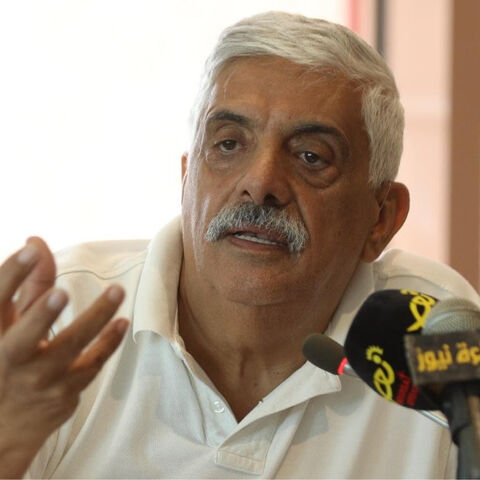
Protesters in the streets called for the end of Prime Minister Salam Fayyad and not the Israeli occupation, making the protests unprecedented. This distinct targeting of Fayyad made Sam Bahour, a US-born Palestinian businessman, with whom Al-Monitor met in Ramallah, question the participants and motives behind the protests.
“I don’t believe it was just about the economy,” said Bahour. "The economy was used as a face for a very political move. I believe that what we are seeing is an internal struggle for leadership in the Palestinian Authority.“
A public opinion poll by the Palestinian Center for Policy and Survey Research shows that 44% of the Palestinians believe that the financial crisis is manufactured. The same poll shows a decrease in the satisfaction with the Fayyad government, President Abbas and the Fatah party in general. Still, 66% say the "price hikes and the inability to provide for a better life force them to take part in the protests."
AL-MONITOR All-Access gives you unlimited access to all our journalism, the full Daily Briefing, exclusive interviews, premium newsletters, and live events — for less than $2/week.