



Iran Economy Minister Warns: Sanctions 'Lose-Lose' Situation
In an interview with Al-Monitor's Laura Rozen, Iran Economy Minister Shamseddin Hosseini said that Iran looks to make progress at upcoming talks and encouraged the West to continue negotiating with Khamenei's representatives. He warned that energy sanctions could hurt the economies of those imposing thems more than Tehran.
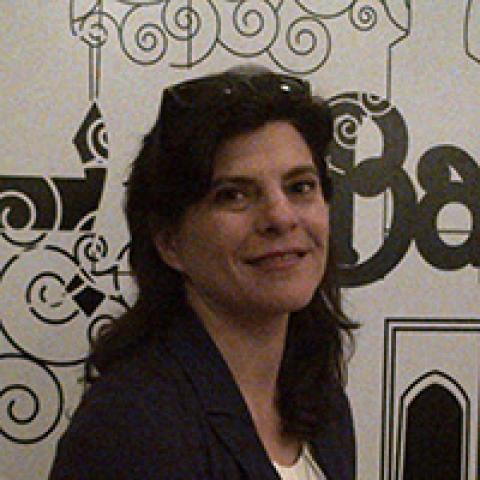

Shamseddin Hosseini is one of the only senior Iranian officials to violate a taboo: Twice a year, Iran’s minister of economy travels to Washington for meetings of the World Bank and IMF. As such, he is one of the only Iranian cabinet ministers to regularly travel to the capital of the country which broke off diplomatic relations with Iran after the 1979 Islamic revolution and US embassy hostage crisis.
In a wide-ranging interview with Al-Monitor at Iran’s mission to the UN in New York Friday [May 18, 2012], Hosseini, 44, was nonchalant about his rare vantage point on the current moment in international diplomacy with the Islamic Republic. World powers gather in Baghdad Wednesday [May 23] for a new round of high-stakes talks with Iran over some of the most sensitive aspects of its nuclear program. Even if the talks go well enough to proceed to a third meeting and Iran agrees to curb its 20%-enrichment work as a confidence-building measure, it is as yet unclear if Western powers have the intention or flexibility to delay or avert European Union sanctions on Iran’s oil exports set to go into effect July 1.
Hosseini said Friday that Iran is looking to make progress at the upcoming talks, but sought to portray Iran as not overly eager or anxious about the recently renewed diplomatic process. He also made clear the West is right to ignore Iran’s domestic political turbulence and to conduct negotiations with the representative of Iran’s Supreme Leader Ayatollah Khamenei. He warned that energy sanctions could hurt the economies of those imposing the sanctions more than Tehran.
“Vis à vis the nuclear issue, it’s very clear which authority is the deciding authority in our nation,” Hosseini said. “But generally speaking, we give the same level of meaning to the talks that they deserve — no more, no less.”


