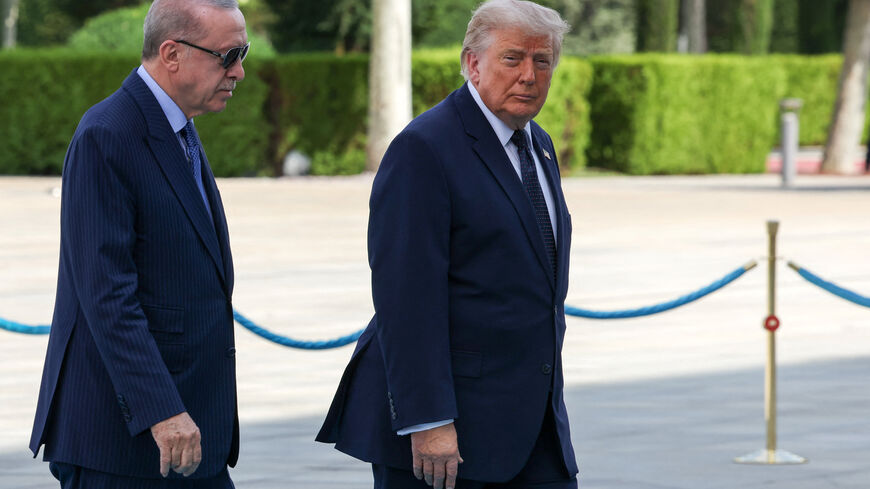
Erdogan's NATO triumph
Welcome back to AL-MONITOR Turkey after a week packed with Trump, NATO and the continuing drama over the Russian S-400s.
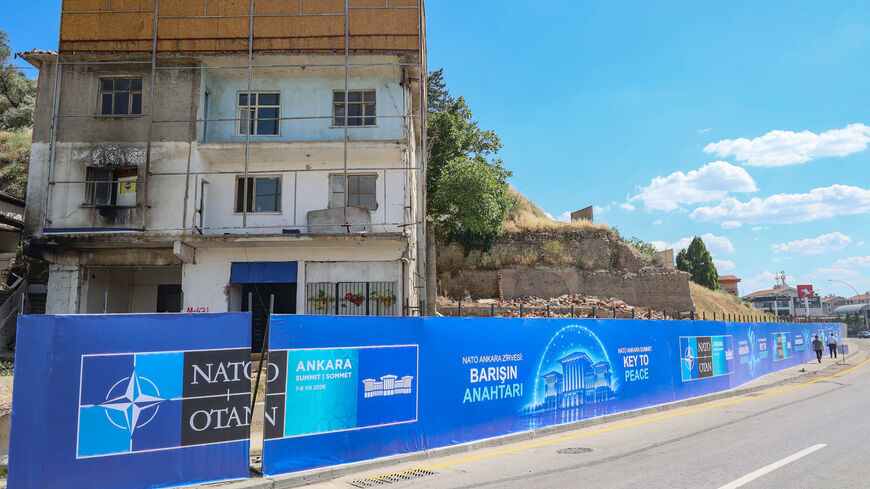
The upshot? Turkey, after infuriating the alliance with its foot-dragging over Sweden and Finland's NATO membership, has been restored to favor as a prized NATO ally amid growing doubts about America's long-term commitment to European defense.
The picture is less clear when it comes to the S-400s, but things appear to be moving in the right direction — for now. As President Recep Tayyip Erdogan told reporters after the summit: "Keep watching this space."
Thanks for reading — and spare a thought for those of us getting through this without air conditioning.
Amberin
🐕🇹🇷🐾
@amberinzaman on X, @amberinzamanjournalist on Instagram

Erdogan's NATO triumph
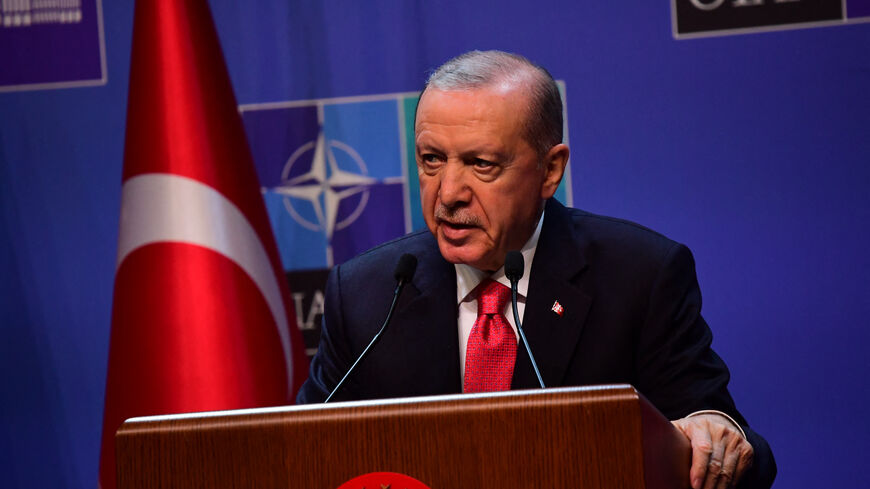
Turkey's President Recep Tayyip Erdogan holds a press conference following the annual NATO Summit at Presidential Complex in Ankara, Turkey, on July 8, 2026. (Altan Gocher / Hans Lucas / AFP via Getty Images)
Triumph he did.
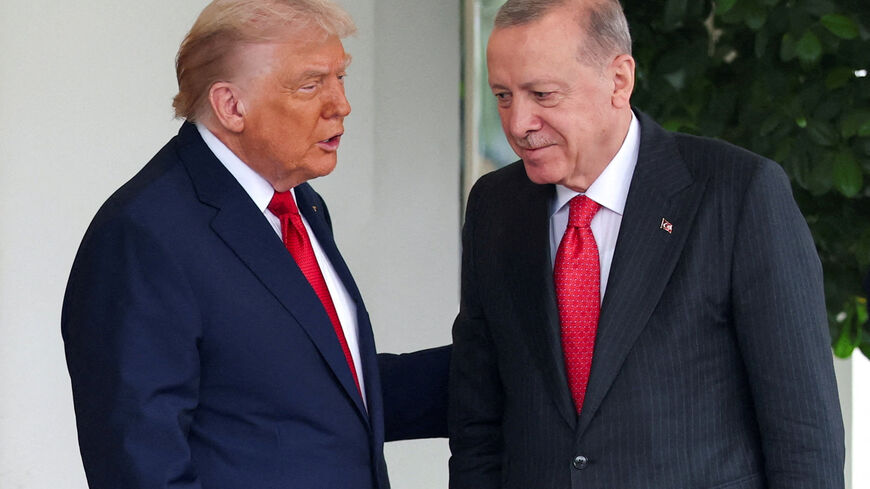
President Donald Trump lavished praise on the Turkish leader while making clear that, in his view, he remained the dominant partner in the relationship. Trump reminded everyone that Erdogan had eventually complied with his demand to release the American pastor jailed on dubious terrorism charges during Trump's first term. This time, Trump suggested, Erdogan had also stayed out of the Iran conflict despite supposedly being tempted to give Israel "a thrashing."
That last claim has left many observers scratching their heads. Conventional wisdom holds that Turkey has no interest in joining a war on Iran's side — nor does it want a direct military confrontation with Israel.
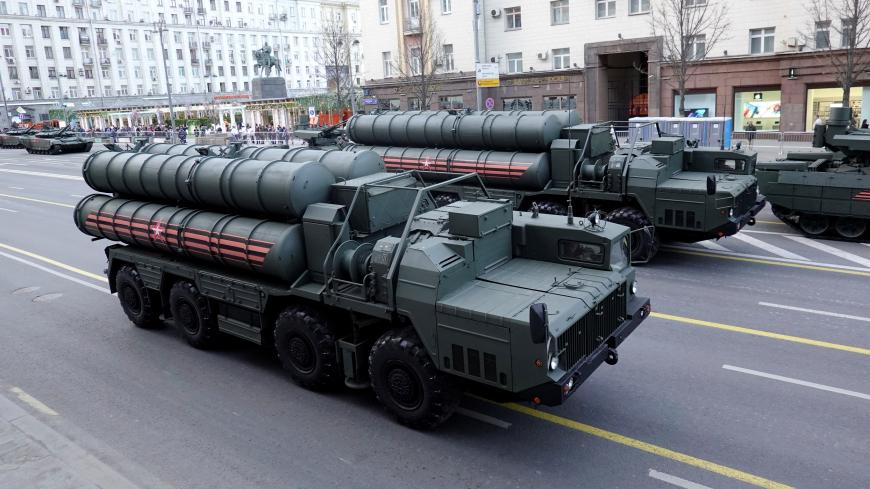
The biggest news on Friday came from a pro-government columnist, who claimed that Turkey had found a way to offload its S-400 missile batteries to a Gulf state — either Qatar or the United Arab Emirates. The report gained credibility after Kremlin spokesman Dmitry Peskov confirmed that discussions were underway regarding the "highly sensitive" issue of the Russian-made system, as Ezgi Akin reported here.
Should such a deal materialize, Ankara would satisfy a key congressional condition for lifting US sanctions. That, in turn, could clear the way for Turkey to receive the first six F-35 fighter jets it had already paid for and that were completed before Turkey's removal from the program. Those six aircraft were part of an initial order of 30.
It's a highly technical issue. Rosaleen Carroll walks readers through the legislative maze here. Ezgi and Jared Szuba have more on the summit here. As Ben Caspit reported, Israel is deeply unhappy about the potential breakthrough.
Meanwhile, there is little doubt that Turkey will receive the General Electric engines for its domestically produced KAAN fighter jet. Trump's backing alone is likely to be enough to push the sale through.
Critics are right to point out that Turkish taxpayers — and the country's diplomats — could have been spared years of expense and diplomatic headaches had Ankara never purchased the Russian system in the first place. It's not as though Washington failed to warn Turkey of the consequences. Still, Erdogan has shown that he knows when to cut his losses, as he did by repairing relations with Egypt and Saudi Arabia.
I remain unconvinced that all this amounts to a full strategic pivot back toward NATO and away from Vladimir Putin's Russia, as some leading analysts suggest. Erdogan is a master tactician, and his appetite for risk has more often than not paid off.
"Turkey is going to hedge for as long as it can. It is still an independent actor. The difference is that Turkey's position on Ukraine is, for now, more closely aligned with the United States," Aaron Stein, president of the Foreign Policy Research Institute in Philadelphia, told me.
The idea of "some monumental change," however, is overstated, Stein argued, noting that Turkey continues to import most of its natural gas from Russia. It also remains a top destination for free-spending Russian tourists, many of whom have found themselves increasingly unwelcome elsewhere because of Russia's invasion of Ukraine.
Silver linings
The NATO summit also gave the international media an opportunity to highlight Turkey's continuing slide toward authoritarianism, as security forces rounded up scores of people — including a popular comedian, as I reported here.
Academics, journalists and even birdwatchers were among those detained on terrorism-related allegations in the run-up to the summit. The New Statesman described the darkness in this powerful piece.
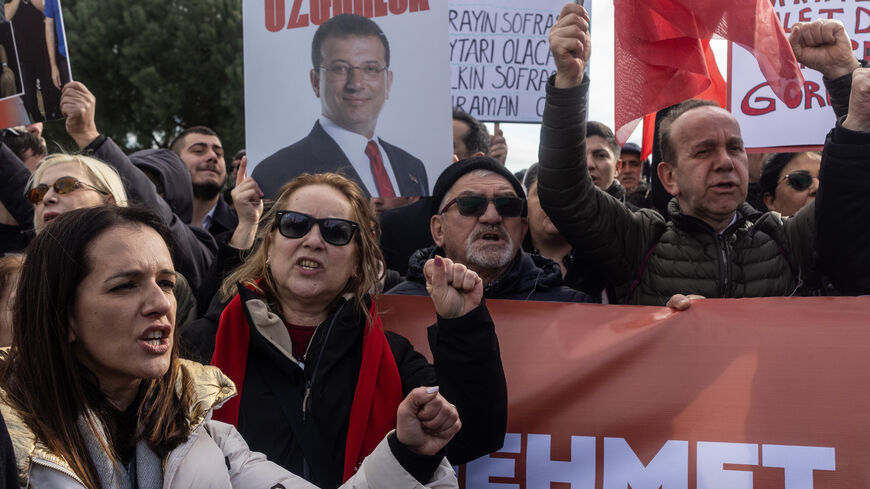
On the day the summit opened, Erdogan's chief political rival — the jailed Istanbul mayor, Ekrem Imamoglu — was prevented from defending himself during a hearing in a corruption case involving him and 413 co-defendants. If convicted, Imamoglu faces prison sentences totaling nearly 2,000 years.
The summit also produced its share of lighter moments.
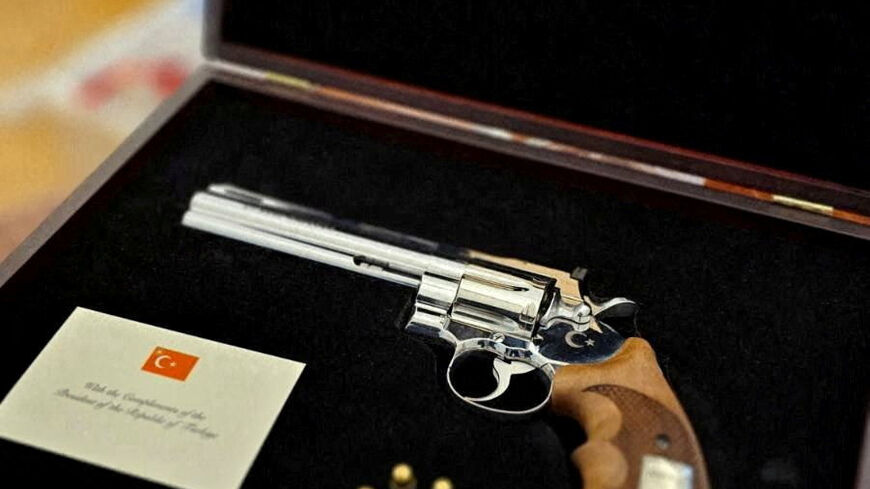
Erdogan's choice of engraved handguns as gifts for visiting leaders raised eyebrows — and, in some cases, regulatory complications — with several leaders reportedly leaving their pistols behind. Canada's Prime Minister Mark Carney joked that his own gift of maple syrup paled by comparison.
Zaytung, Turkey's version of the satirical publication The Onion, imagined NATO leaders receiving the full "Relax and Enjoy Turkey" experience by being invited to choose three people to be arbitrarily arrested from a list provided by their hosts.
Meanwhile, Monika Babisova, wife of Czech Prime Minister Andrej Babis, shared footage from the banquet hosted for spouses by Erdogan's wife, Emine, offering a rare glimpse inside the 1,100-room presidential palace.
Take a look:


Other top stories
Turkey and Canada agreed to launch negotiations for a free trade agreement during a meeting between Erdogan and Carney on the sidelines of the summit. Jack Dutton has the details.
Ezgi reported on Turkey’s efforts to mediate between Somalia’s federal government and its opposition rivals over contested constitutional reforms. It’s a steep hill to climb for Ankara since many opposition leaders see it as the government’s main enabler, as Ezgi explained.
Barin Kayaoglu wrote about growing US-Turkish alignment in Libya amid efforts led by the Trump administration’s senior adviser for Arab and African affairs, Massad Boulos, to strike a unity deal between Tripoli and Benghazi. Barin noted that Turkey could face complications over Washington’s stance on the controversial maritime agreement that it signed with Tripoli in 2019 for energy rights in the Eastern Mediterranean.
I had a piece on Armenia’s efforts to balance its ties with Iran even as it woos the West and Turkey.
Don’t forget to sign up for Nazlan Ertan’s brilliant newsletter that brings the best of Istanbul’s cultural and gastronomic riches to your inbox. Her latest write-up also takes us to the Aegean port city of Izmir and includes a review of Albanian writer Lea Ypi’s latest novel, “Indignity.”