Iran ramps up Hormuz attacks, testing White House patience
The redoubled attacks on oil shipping undermine the Pentagon's claim to control the strait, but a direct challenge to the US blockade could trigger a cycle of escalating retaliation.


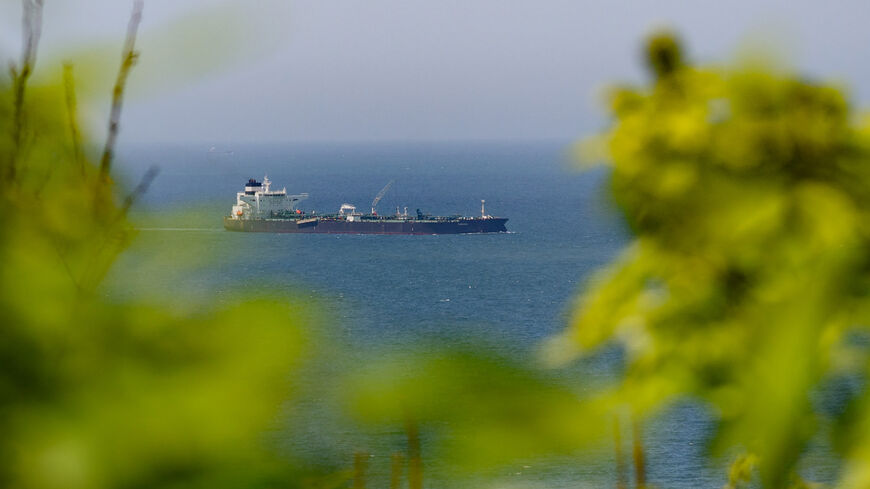
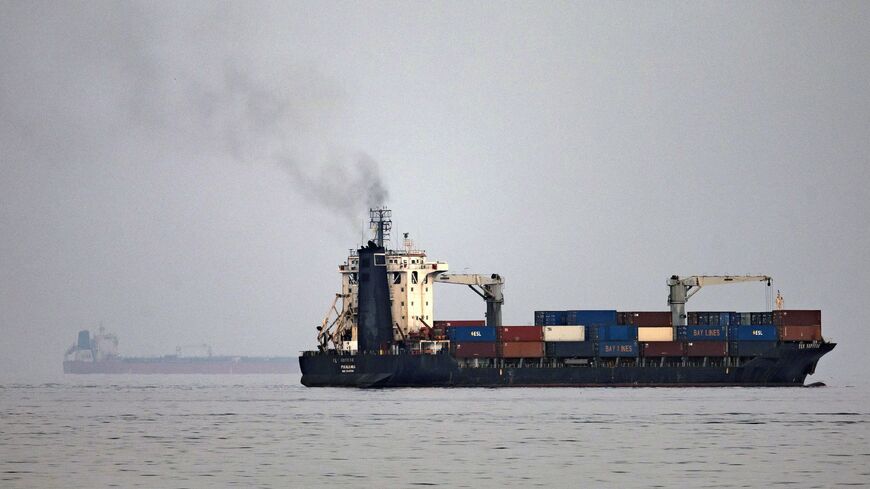
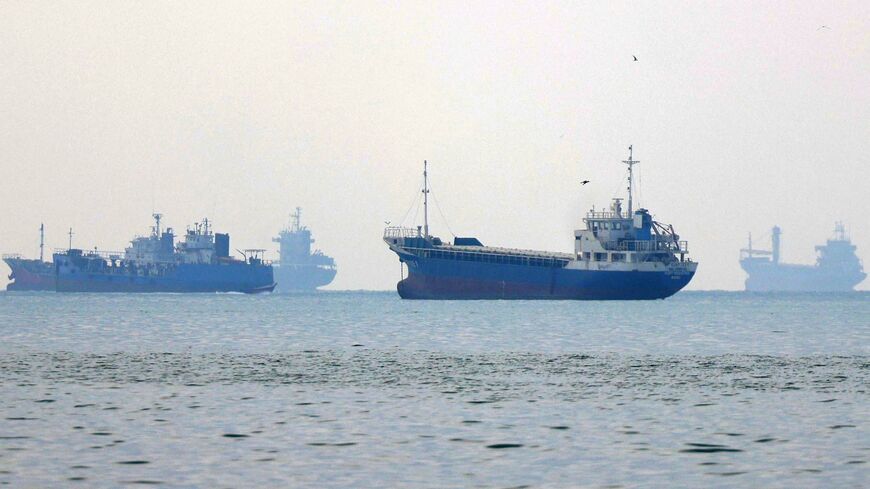
WASHINGTON — Iran has significantly ramped up attacks in recent weeks on oil tankers in the Strait of Hormuz, undermining the Trump administration's claim that the US military has secured the waterway and testing American commanders’ resolve to keep commercial traffic flowing through the strait without overexposing US warships to potentially lethal barrages.
The attacks, experts and former US officials say, are part of an emerging pattern as hard-liners in the Islamic Revolutionary Guard Corps (IRGC) seek to escalate the dormant conflict by testing the limits of what Washington will tolerate.
Reported attacks on commercial vessels from October to mid-November in and around the Strait of Hormuz averaged roughly one per day, up from approximately one incident every four days from March to September, according to data from UK Maritime Trade Operations cited by ABC News. On Sunday alone, at least three tankers were hit by projectiles in the strait, according to UKMTO.
Iranian statements about the incidents assert that several of the tankers were hit by naval mines while under US military escort, apparently in a bid to erode the shipping industry’s faith in assurances by top Pentagon officials that the strait’s main commercial shipping lanes have been cleared of mines and are open.