Gulf oil recovery masks growing environmental crisis in Strait of Hormuz
Amid rebounding oil exports and rising attacks on shipping, an environmental catastrophe is unfolding largely out of sight in the region and could be poised to worsen amid the stalemated nine-month conflict.


British endurance swimmer Lewis Pugh spent three days swimming through the Strait of Hormuz in mid-November, trying to raise awareness of a growing environmental crisis in the increasingly dangerous stretch of water on the front lines of the US-Israel-Iran war.
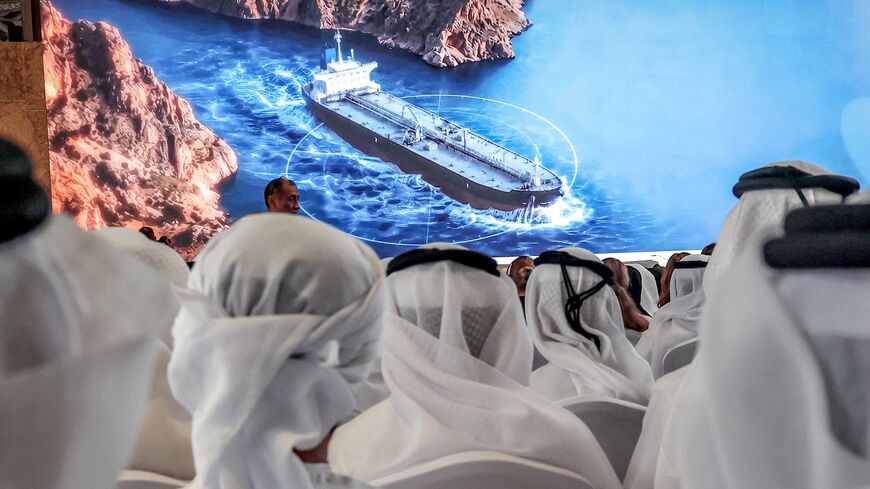
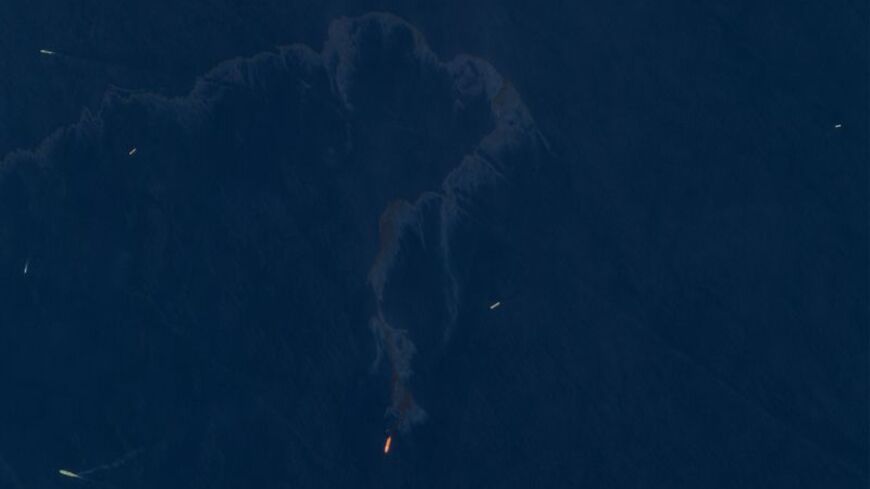
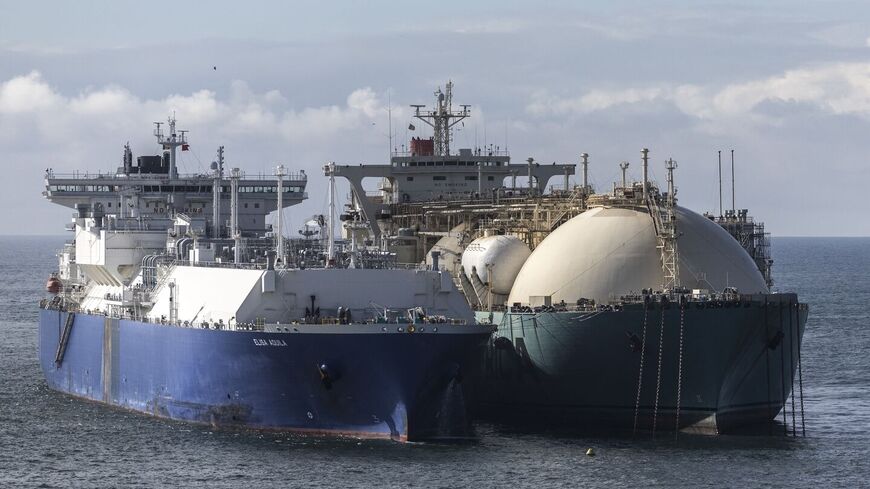
During his swim, Pugh witnessed several attacks on commercial shipping, including an oil tanker struck by a projectile and fireballs rising from a burning liquefied petroleum gas carrier. “The flames were enormous,” Pugh wrote on his foundation's website. “These vessels carry highly flammable gases, and an attack on one can have catastrophic consequences — not just for crew members, but also on the surrounding marine environment.”
Pugh's experience offered a grim glimpse of an environmental catastrophe unfolding largely out of sight and poised to worsen amid a stalemated nine-month conflict showing few signs of ending.
Gulf oil exports have rebounded since September, offering reassurance to energy markets cautiously betting that the worst of wartime supply disruptions are over. But this recovery has come alongside rising Iranian attacks on commercial shipping, with October and November among the most active months of the conflict. The result is a paradox: Rebounding oil shipments are easing market concerns while exposing the region to further environmental damage.