How Manchester City fallout tests Gulf’s global investment model
The Premier League’s historic financial misconduct ruling against the Emirati-owned club has sparked a media firestorm and experts say fallout could extend beyond the pitch to impact Gulf investment in sports and other industries.


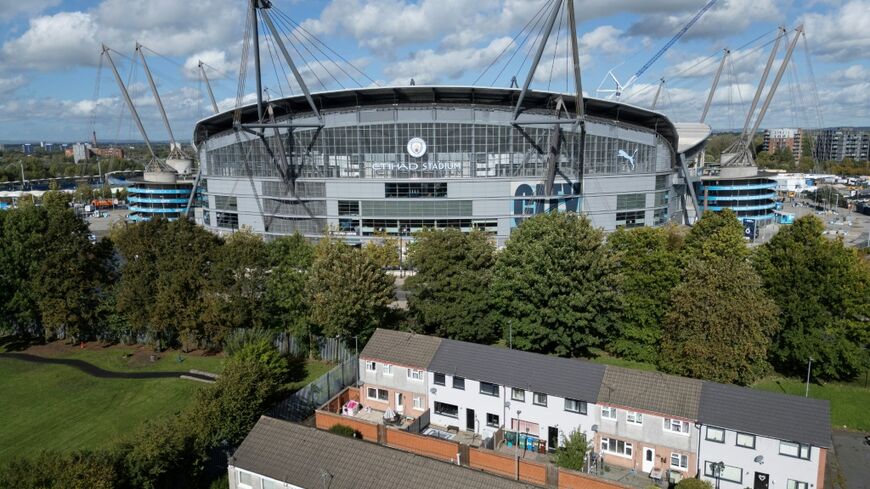
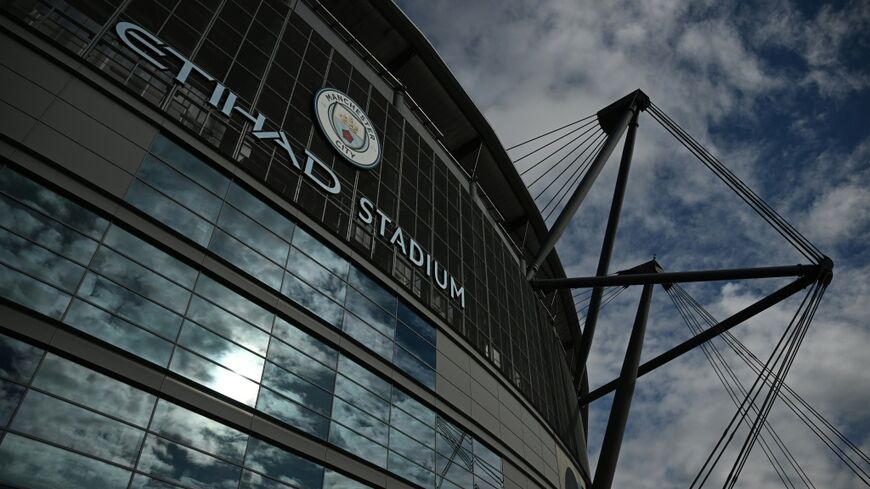
Manchester City Football Club has long been a crown jewel in Abu Dhabi’s trophy case of international assets and a poster child for splashy sports investments by ultra-rich Gulf states. Now, quite suddenly, the prized asset has become a liability for the United Arab Emirates.
The Premier League’s historic financial misconduct ruling against the Emirati-owned club in September has sparked a media firestorm after a years-long investigation found Man City violated all but one of 115 charges brought against the powerhouse club. Those include charges that it arranged “sham” contracts with commercial partners to artificially inflate the club’s revenues and reduce costs over a nine-season period.
Repercussions extend well beyond the pitch. Reports indicate the verdict has strained UK-UAE diplomatic relations while fueling concerns Abu Dhabi could pressure Downing Street to intervene. The Gulf state, incensed by the judgment, quickly signaled the ruling’s severity could imperil future investments into Britain.
The timing could hardly be more awkward for the UK, landing just as both countries were betting on expanding economic ties amid warming relations under new UK Prime Minister Andy Burnham, who built working relations with the Emiratis as Manchester’s mayor.