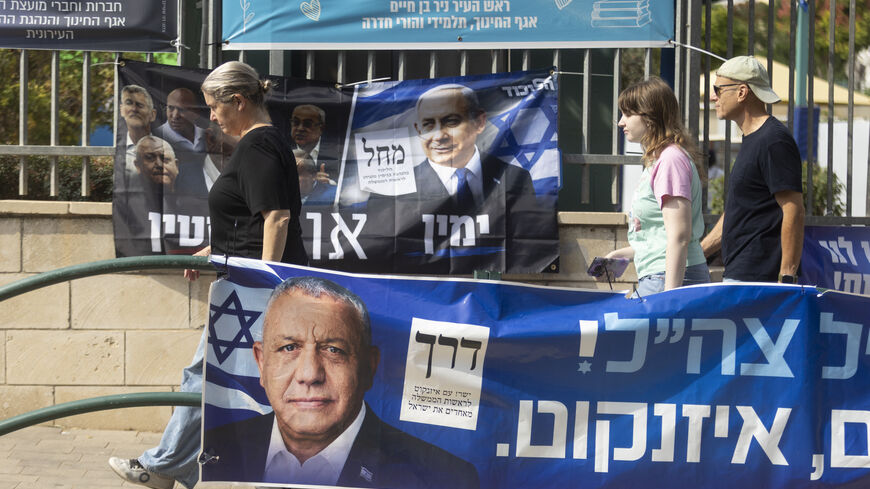
How Israel’s Arab parties could help oust Netanyahu after election gains
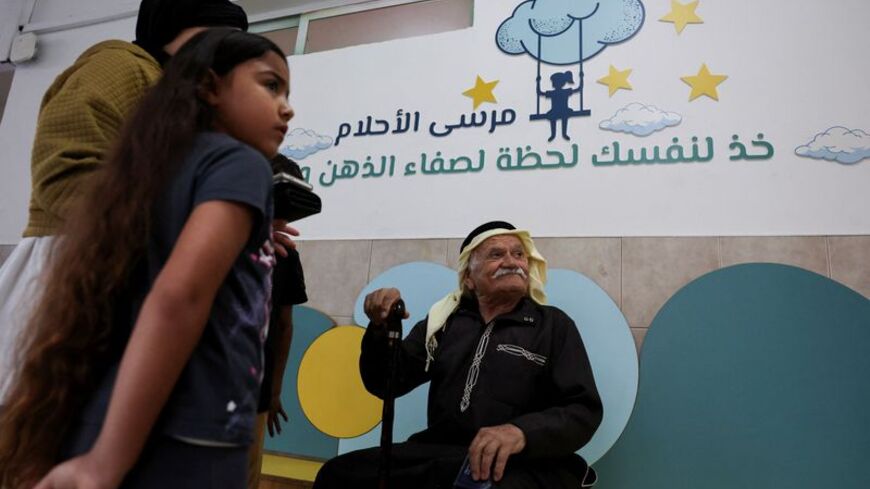
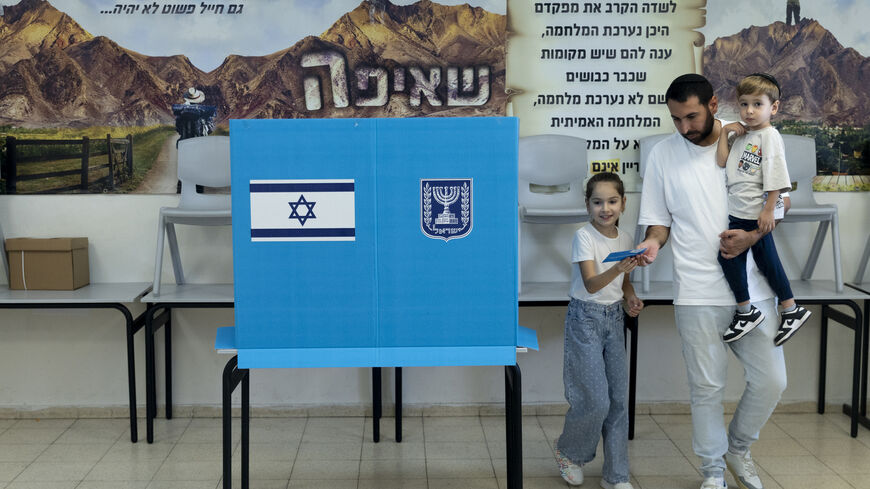
Arab citizens came out in record numbers for the Oct. 27 elections, with turnout reaching 80% — even higher than the national rate of 77%.


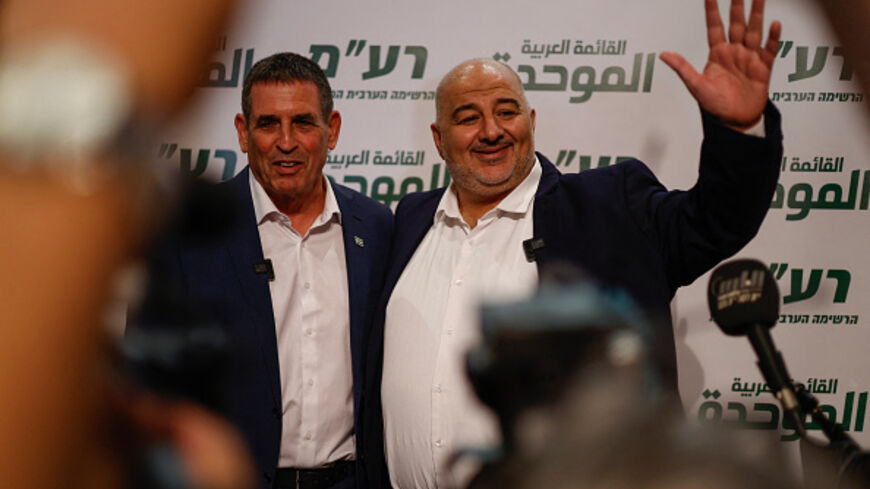
JAFFA — With an unprecedented combined total of 19 seats, Israel’s two Arab parties — the Joint List and Ra’am — have surged into the role of political kingmakers.
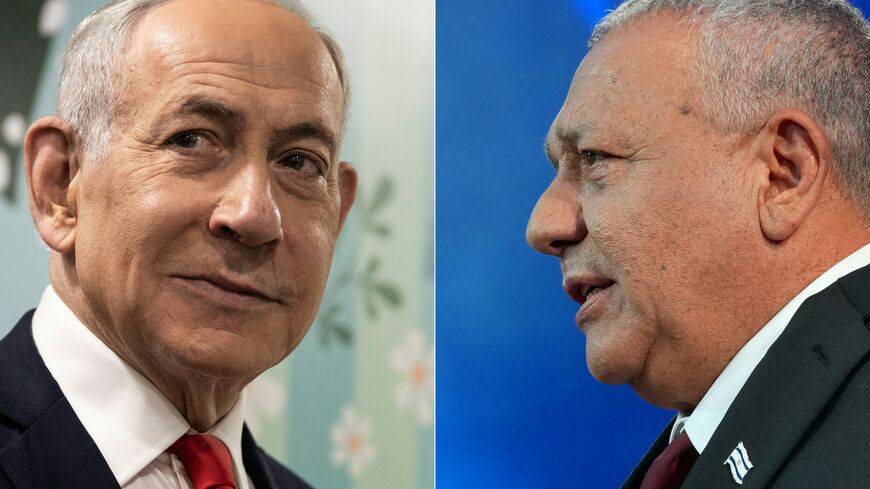
Long sidelined in a Jewish-dominated political system, Arab politicians are leveraging high voter turnout to reshape Israel’s political future. Their immediate target: ending Prime Minister Benjamin Netanyahu’s tenure by anchoring an alternative governing coalition.
Unprecedented gains
Arab citizens came out in record numbers for the Oct. 27 elections, with turnout reaching 80% — even higher than the national rate of 77%. The surge in turnout was particularly pronounced in Sakhnin, where participation reached 83.5%, up from 68.4% in 2022; in Kafr Qassem, where it rose to 81.3% from 66.8%; and in the Bedouin town of Rahat, where turnout climbed to 79.8% from 66.6%.