Syria Golan detentions fuel fury at Israeli forces, doubts in new government
Israeli forces have detained hundreds of Syrians and continue to conduct strikes and incursions in Quneitra, fueling resentment among residents who say Damascus has failed to protect them.


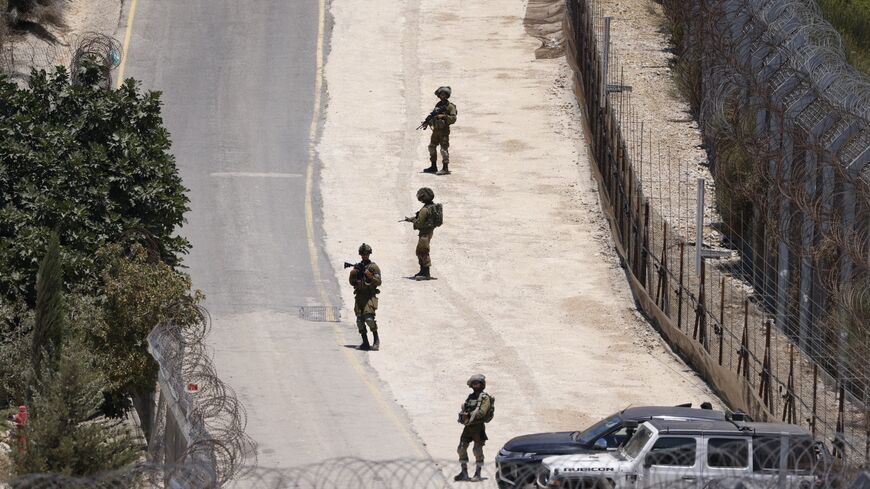
QUNEITRA, Syria — Ibrahim was visiting his uncle's home in a village in Quneitra, in southwestern Syria, in July of last year when dozens of Israeli troops and their military dogs stormed the place at 3 a.m. Recounting the ordeal to Al-Monitor, Ibrahim said masked Israeli intelligence officers grilled him about his "connections" to Islamic State and Hezbollah. He had none and knew nothing of either. "I am an orphan. I am only 17. I live with my grandma and two brothers and work in a factory," Ibrahim told them. They bound his wrists with zip ties and hauled him to their base in the nearby Israeli-occupied village of Tell Ahmar al-Gharbi, in Syria’s Golan region near the Israeli-occupied Golan Heights, he said. So began 13 months of incommunicado detention, marked by what he described as physical and psychological torture in a string of Israeli prisons. It left Ibrahim despising Israel and disillusioned with his own government for failing to protect him.
Such feelings of impotence and abandonment are pervasive across Quneitra, where Israel's continued attacks, including drone and artillery strikes, have terrorized communities and paralyzed an economy that depends heavily on agriculture.
Figures vary, but rights monitors say Israeli security forces have detained more than 240 Syrians — and transferred an unconfirmed number to Israel, in what rights groups describe as illegal renditions — since the fall of Bashar al-Assad's regime in December 2024. At least 200 had been freed as of August 2026, but over 40 remain unaccounted for. They are among the victims of sustained Israeli military operations affecting mainly Sunni Arab communities on the fringes of the buffer zone separating Syria from Israel, which the United Nations Disengagement Observer Force (UNDOF) has monitored since 1974, seven years after Israel occupied the Golan Heights.
Israeli forces pushed into the buffer zone, seizing the strategic Mount Hermon, just as Sunni opposition forces led by the country's now interim president, Ahmed al-Sharaa, toppled Assad. Within 48 hours, Israeli fighter jets and naval vessels had destroyed as much as 80% of Syria's military assets, including air defense systems, missile depots, aircraft and tanks, according to an Israeli military assessment.