FlyDubai incident recalls decades of Middle East airline hijackings: What to know
In 1968, the PFLP hijacked an El Al flight from Rome to Tel Aviv, marking the first political hijacking of an aircraft tied to the Middle East.



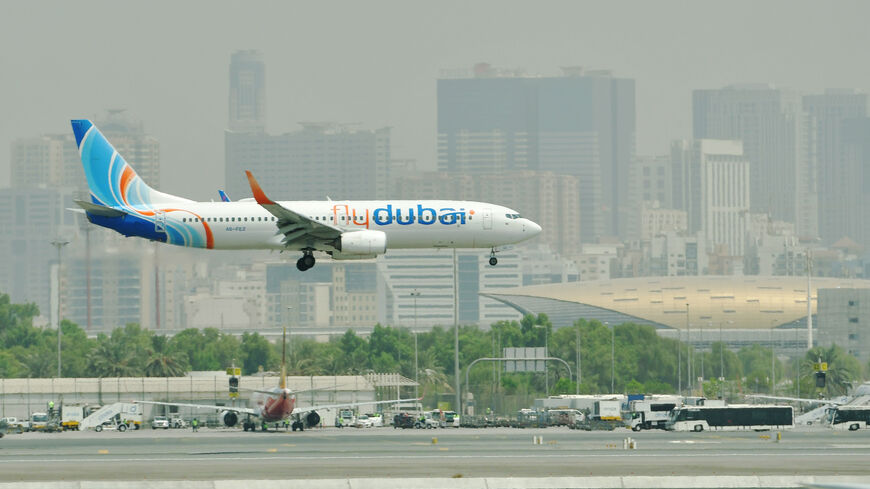
The Tel Aviv-bound FlyDubai flight that made an emergency landing in Saudi Arabia on Wednesday after what Israeli officials alleged was a hijacking attempt would be the first such attack on a flight to Israel since 2002, recalling an era when aircraft hijackings were a common tactic of regional militant groups.
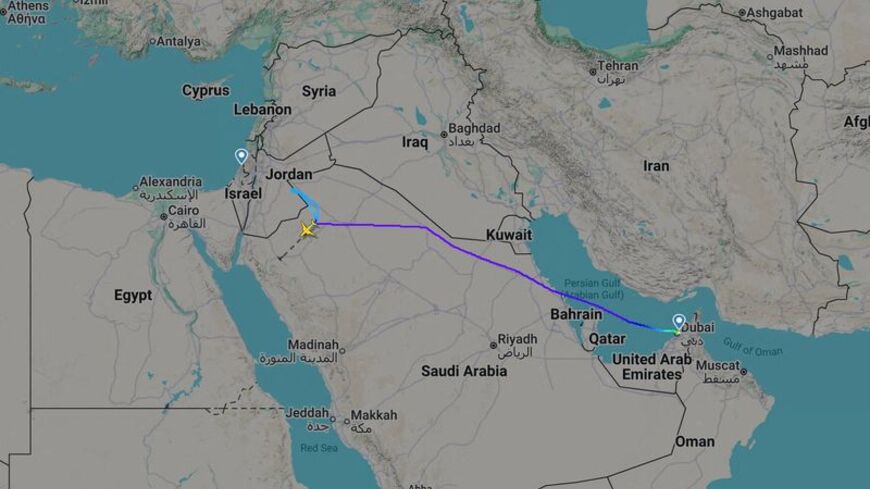
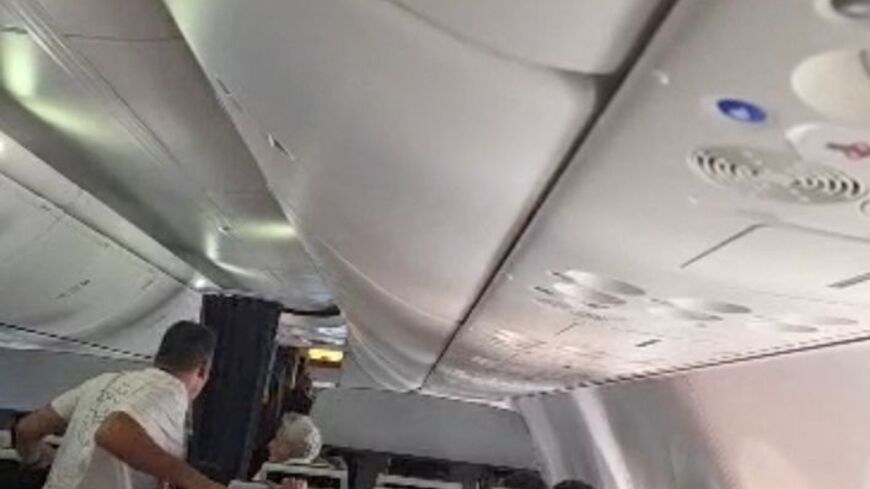
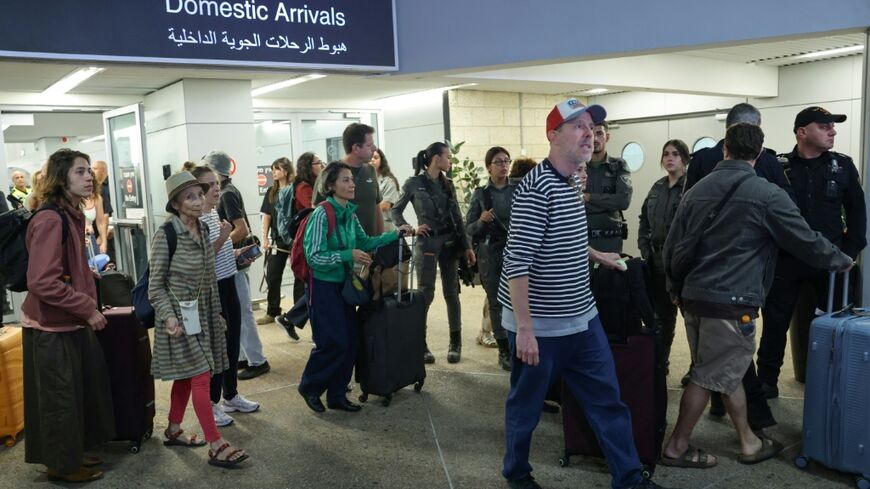
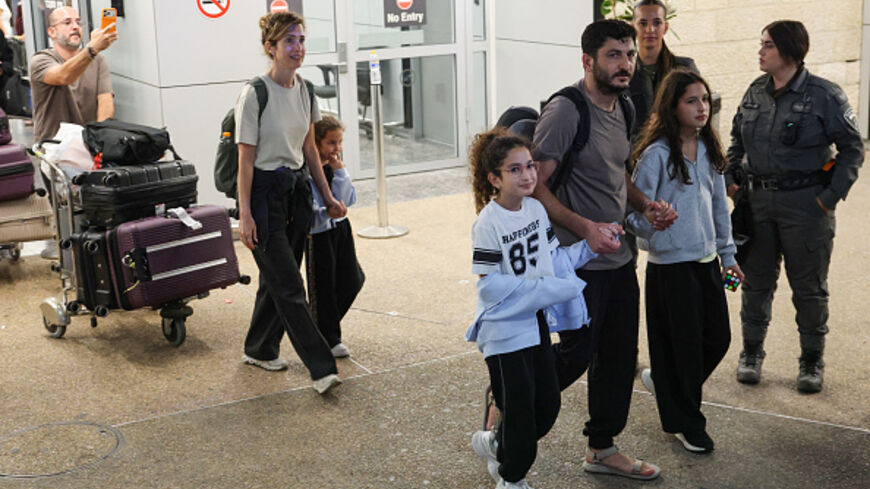
What happened: The exact circumstances of the incident aboard Wednesday's flight are under investigation. Passengers said in videos posted to social media at around 2:00 p.m. UAE time (6:00 a.m. EDT) that they had to apprehend one of the pilots, who stabbed his co-pilot and was allegedly trying to crash the plane, prompting the aircraft to make an emergency landing at Saudi Arabia’s Tabuk airport. Another FlyDubai aircraft then took the 174 passengers to Israel, landing in Tel Aviv at around 6:40 p.m. local time (11:40 a.m. EDT).
CNN reported that the offending pilot was an Omani national, but authorities have yet to name a suspect. Israeli Prime Minister Benjamin Netanyahu said in a statement that a pilot “apparently tried to crash the plane with everyone on board,” while FlyDubai said an “altercation occurred in the flight deck.”
The Prince Sultan bin Abdulaziz International Airport in Tabuk said a FlyDubai jet landed after making a distress call and that the pilot and co-pilot were in the hospital. Saudi Arabia and Israel lack formal relations.