



Syria’s Sharaa says he had ‘multiple discussions’ with Trump on Lebanon, favors dialogue
Syrian President Sharaa has again played down Donald Trump’s request that Syria could enter Lebanon and help disarm Hezbollah.
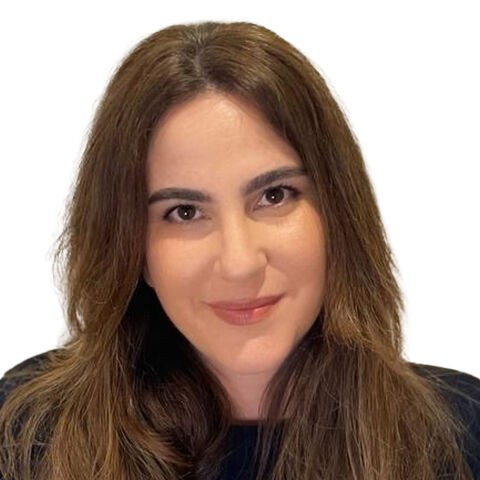

BEIRUT — Syria’s President Ahmed al-Sharaa has once again denied that his country plans to intervene militarily in neighboring Lebanon following US President Donald Trump’s fresh remarks about a potential Syrian role in removing Hezbollah’s weapons.
In an interview with the Dubai-based pan-Arab Al Mashhad channel aired on Sunday, Sharaa ruled out the possibility of sending troops to Lebanon, stressing instead that Syria is seeking to restore relations with its neighbor based on economic cooperation, rather than military intervention.
“We are looking for economic channels between Lebanon and Syria, not military ones,” Sharaa told Al Mashhad’s Tony Khalife.
What happened: Sharaa’s comments came after Trump again suggested that Damascus join the fight against the Iran-backed Hezbollah group in Lebanon.
On Sunday, Trump told Fox News he was “disappointed Israel can't put Hezbollah away.”
“They can’t do anything without knocking buildings down,” the president said. Referring to the fight against Hezbollah, he said. “I’m close to giving it over to Syria.”
For Sharaa, Trump’s remarks were misinterpreted.
“President Trump expressed concern about the current situation in Lebanon, and his words were misunderstood. He spoke about Syria’s role in seeking a safe and peaceful solution, but people understood him as if Syria would enter Lebanon tomorrow morning,” he said in his Sunday interview.
استبعد الرئيس السوري أحمد الشرع أي دور لسوريا في لبنان خارج الحوار والقنوات الرسمية، موضحاً الالتباس الذي أثارته تصريحات الرئيس الأميركي دونالد ترامب حول «نقل ملف حزب الله من إسرائيل إلى سوريا». في مقابلةٍ على قناة «المشهد»، أمس الأحد، راعى الشرع الحساسيات اللبنانية الداخلية، لا… pic.twitter.com/gTmGciOyqR
— Megaphone (@megaphone_news) June 22, 2026
Sharaa said he has repeatedly discussed the Lebanese issue with Trump and informed him that the solution in the country is not war.
“There have been several contacts between us and President Trump since Syria and the United States established relations, and we have held multiple discussions about the situation in Lebanon,” he noted.
“We presented our vision for a solution to the United States, which is to stop the war and address its negative effects on Lebanon and Syria, and to find different economic, political and social solutions. The solution must also be based on restoring support for the Lebanese state, strengthening its institutions, but also implementing some security measures that appease the Syrian and Lebanese concerns, as well as the Israeli concerns,” he said. "There is no shame for a country to seek help from other countries to resolve its problems."
“The situation in Lebanon requires joint solutions, and it is entirely possible to rely on Syria to help find a safe path toward a resolution. However, this does not mean a return to war or to the era of Syrian tutelage under the former regime,” he continued, noting that resolving the Lebanese crisis can be achieved by strengthening the country’s state institutions and building communication channels with the country’s various political actors, including Hezbollah.
Why it matters: Responding to a question about whether he would sit at the table with Hezbollah, Sharaa said, “If this serves Lebanon’s interests and safeguards Syria’s interests, why not?”
The Syrian leader recalled the suffering both the Lebanese and Syrian peoples endured under the former regime of Bashar al-Assad.
“The region is currently going through a sensitive phase, and the regime change in Syria was a very positive opportunity for it. Most countries in the region benefited from this change. Some Lebanese factions remain prisoners of the past, thinking with the same old assumptions, even though Lebanon is facing a major war,” he said.
Sharaa deplored the ongoing war, destruction and displacement in Lebanon, which he said negatively affects Syria, “especially in light of the deployment of Hezbollah fighters along the border with Syria in the Bekaa Valley.”
Lebanon was drawn into the regional conflict after Hezbollah launched a rocket attack on Israel on March 2 in support of Iran, prompting Israel to expand its military campaign, which had continued in Lebanon despite the November 2024 ceasefire that ended a first round of war between the two sides.
On March 3, the Syrian Defense Ministry said it reinforced its border with Lebanon, deploying armored vehicles, rocket units and troops with the aim of monitoring border activities and combating smuggling.
Hezbollah, which had enjoyed widespread influence in Lebanon thanks to Iranian funding and support, had sent thousands of fighters to Syria to fight alongside Assad’s forces against the rebels throughout the civil war. The group had also relied on the Syrian route to smuggle weapons into Lebanon from Iran.
However, Lebanese-Syrian relations have also been fraught with conflict and tension for decades stemming from the Syrian military occupation of Lebanon from 1976 until the withdrawal of Syrian troops in 2005.
Since Assad's fall in December 2024 following a rebel offensive, Lebanese and Syrian authorities have sought to restore their relations by addressing decades-old issues, including border demarcation, the return of Syrian refugees and Lebanese detainees held in Syrian prisons.
Meanwhile, both sides have intensified a crackdown on Hezbollah’s smuggling efforts.
Know more: Trump’s repeated calls for Syria to intervene in Lebanon have revived old fears in a country that suffered for decades under Syrian tutelage.
Last Tuesday, he also suggested that Syria could help counter Hezbollah in Lebanon while criticizing Israel’s actions against the group.
“I suggested to Israel to let Syria take care of Hezbollah. Because, to be honest with you, I think they’d do a better job of doing it,” he said on the sidelines of the G7 summit in France. “If Israel can’t do the job without killing everyone else, Syria will do the job."
Earlier this month, Trump also told NBC news that he would like “to see a more surgical attack on Hezbollah ... And we can help them with that, or we can recommend Syria,” adding that Sharaa “would love to help.”
However, Sharaa responded to Trump’s calls on June 12, dismissing any Syrian plans to enter Lebanon as “completely untrue,” according to Syrian state news agency SANA.
On Monday, Lebanese Deputy Prime Minister Tarek Mitri praised Sharaa’s positions as a clear reflection of his commitment to Lebanon’s unity and security and to building “a forward-looking Syrian-Lebanese relationship founded on trust, mutual respect for sovereignty and shared interests.”
“It goes without saying that this stance is highly appreciated in Lebanon,” Mitri wrote on the X platform.
This one's on us.
The story doesn't end here.
Our correspondents are already on the next chapter. Read everything they file, from $2/week.
See Offers