



Iran not building nuclear weapon despite strategic losses: US intel
A report by Washington’s top intelligence office suggests Tehran will struggle to rebuild its proxy militia bulwark after Israeli attacks, but the country’s supreme leader, Ayatollah Ali Khamenei, has not yet authorized the creation of a nuclear weapon.

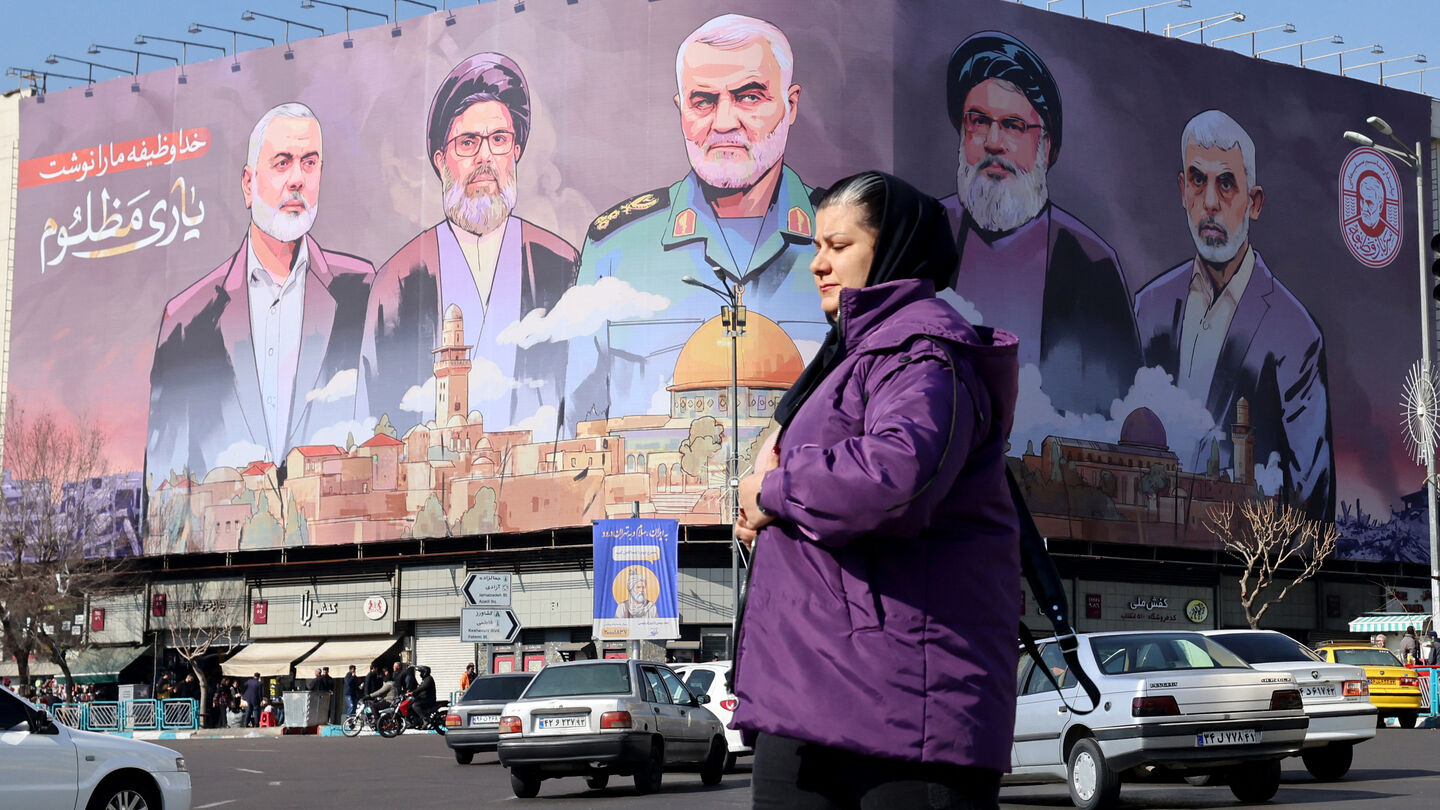
WASHINGTON — Iran’s government finds itself at one of its most vulnerable moments since the Iran-Iraq war in the 1980s, but Supreme Leader Ali Khamenei still has not authorized it to obtain a nuclear weapon, Washington’s top intelligence office reported on Tuesday.
The annual report released by the US Office of the Director of National Intelligence — which oversees the United States’ collective intelligence agencies — found that Iran’s leaders face increasing political, social and economic opposition at home as well as renewed external pressure, primarily from the Trump administration and Israel.
The collapse of Tehran’s strategic upper hand in the region, largely due to Israeli strikes over the past year, has likely increased pressure on Khamenei to formally approve the creation of a nuclear weapon and has reduced taboos prohibiting Iranian officials from speaking publicly about that option, an unclassified version of the report suggested on Tuesday.
Yet Khamenei has not signed off on a restart to Iran’s nuclear weapons program, which he suspended in 2003.


