



After losses in Khartoum, Sudan’s RSF to sign parallel government charter
Sudan has condemned Kenya for hosting a meeting led by the rebels, and the UN is warning the move could further divide the war-torn country.


Sudan’s Rapid Support Forces (RSF) and other political actors are set to sign a political charter on Friday, paving the way for a parallel government in the war-torn country. The move, which has been condemned by the internationally recognized Sudanese government in Khartoum and the United Nations, could result in two parallel political entities in Sudan after nearly two years of war.
The event was originally scheduled to take place in the Kenyan capital of Nairobi on Tuesday. The charter would lead to the creation of the “Government of Peace and Unity” to administer parts of Sudan under the control of the RSF. The signing was delayed until Friday to allow for more participants from the Sudan People's Liberation Movement-North (SPLM-N) to attend, according to Sudanese media reports.
The RSF rebels, which have origins in the Janjaweed militias that fought for ousted ruler Omar al-Bashir, control large swaths of western and southern Sudan, as well as parts of Khartoum, the capital. They are led by Mohamed Hamdan Dagalo, known by his nickname Hemedti. The Sudanese Armed Forces control much of the rest of the Sudan. They are led by Gen. Abdel Fattah al-Burhan, who is de facto leader of the country.
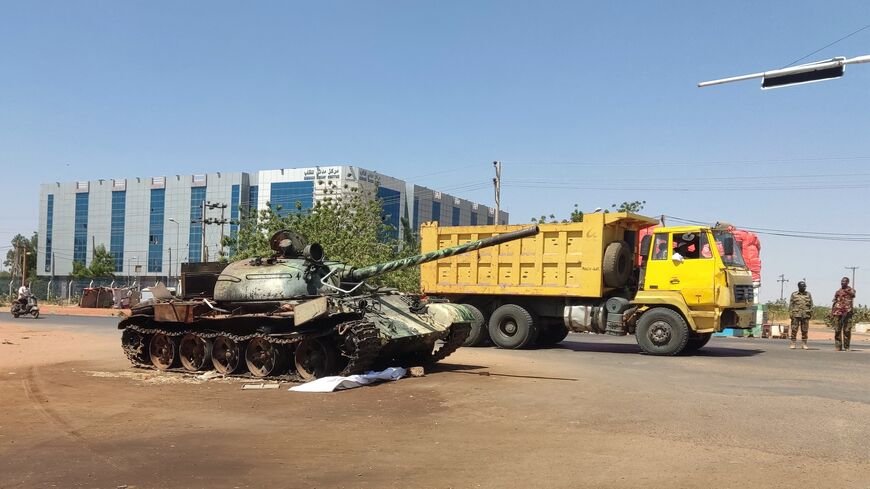
Sudan has been mired in political instability since Bashir was deposed in a 2019 coup. The United States sanctioned both Burhan and Hemedti last month and has accused their respective forces of war crimes, and the RSF of genocide.


