



With Trump inaugurated, how will the Republican trifecta reshape Middle East?
Trump’s White House will have the support of the House and Senate on post-war Israel and Gaza, Iran deterrence, Saudi normalization and more.


The new government trifecta in Washington, with freshly inaugurated President Donald Trump in the White House and the Republican Party controlling both the House of Representatives and the Senate, will mean a reshuffling of Middle East policy priorities as the Biden administration takes its leave and congressional Democrats, now in the minority, are left with few levers of power.
Most Republican lawmakers can be expected to align with Trump, who was inaugurated and took office on Monday. Members of the new congressional majority could play an advisory role to the president as Trump works to implement the ceasefire and hostage release deal that went into effect on Sunday.
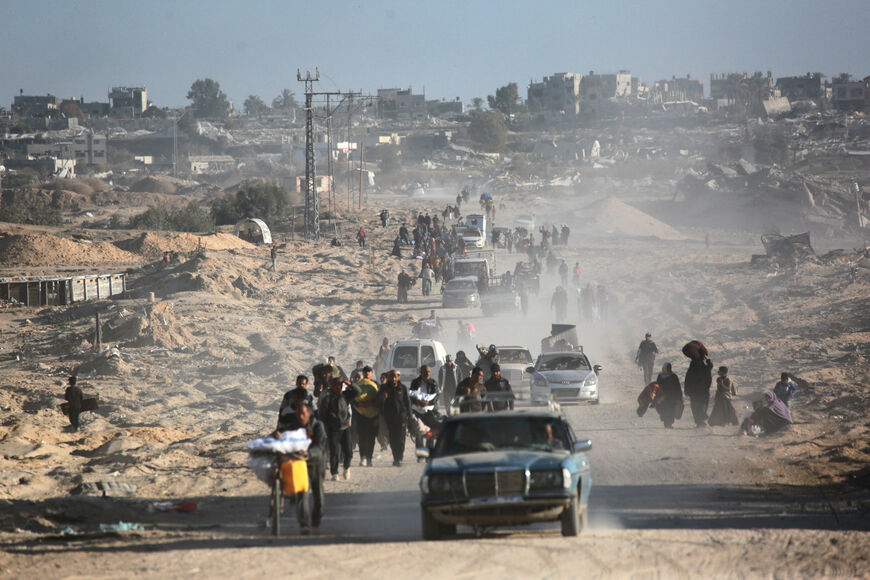
The first phase of the deal includes the release of hostages, a phased withdrawal from Gaza by Israeli forces, the return of Palestinian civilians to their homes in northern Gaza and a surge of humanitarian assistance. But the US role in providing aid — or rebuilding Gaza, a priority outlined in phase three of the deal — could prove uncertain. Last year, Republicans proposed legislation to significantly reduce aid to Palestinians, including ending all funding for the United Nations Relief and Works Agency for Palestinian Refugees (UNRWA). A final government spending bill has yet to be passed, with lawmakers facing a March 14 deadline to reach a deal for fiscal 2025.
ICC sanctions


