



Why Palestinians found Moroccan normalization easier to take
Unlike Israel's normalization deals with the UAE, Bahrain and Sudan, the most recent one with Morocco caused little anger among Palestinians.
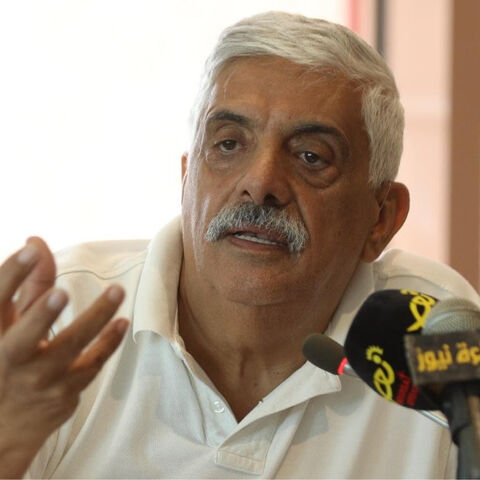

Unlike their angry reactions to the United Arab Emirates, Bahrain and Sudan normalizing relations with Israel, the Palestinians have responded differently to the latest agreement by the Kingdom of Morocco. Palestinian President Mahmoud Abbas ordered all the top Palestinian leaders to stay quiet. Unlike the envoys to the Gulf countries, the Palestinian ambassador to Morocco was not recalled in protest.
The power in holding off on normalization as per the Arab Peace Plan until Israel agrees to withdraw from areas occupied in 1967 was only effective when all 57 Arab and Muslim countries upheld it. Once the consensus was broken, adding more countries to the list of normalizing states became progressively easier.
Unlike the other countries, Morocco already had semi-normal relations with Israel because of the large Moroccan community in Israel and the 2,500 Jewish citizens living in Morocco. Jewish Moroccans have held cabinet-level positions and advisory roles to multiple monarchs.
The late King Hassan tried to be a behind-the-scenes catalyst in the Arab-Israeli peace process. In July 1986, he hosted Israeli Prime Minister Shimon Peres in an effort to stimulate progress. Two months later, Hassan met with a delegation of Jews of Moroccan origin, including an Israeli Knesset member. In 1993, after signing the agreement with the PLO, Prime Minister Yitzhak Rabin paid a formal visit to Morocco.


