



Zionist Camp split reveals ethnic divide among Israeli left
The dissolution of the Zionist Camp is about much more than a rift between Labor head Avi Gabbay and Hatnua leader Tzipi Livni; it shows that the long years of bitterness between Mizrahi and Ashkenazi Jews are far from over.
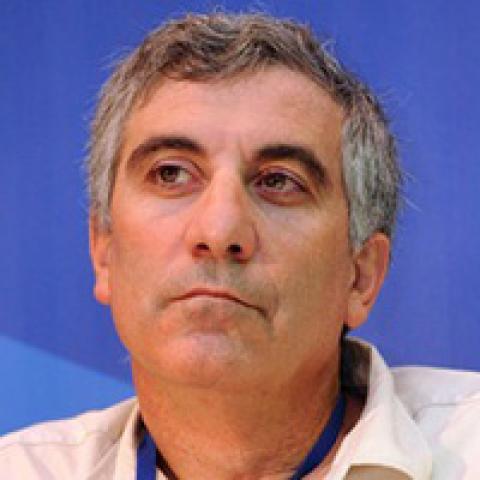

Labor chair Avi Gabbay unexpectantly announced his political divorce from his Zionist Camp partner, Hatnua head Tzipi Livni, on Jan. 1. The announcement, which broke the Zionist Camp into its original components, was followed by a rapid deterioration in the party’s standing in the polls to single-digit numbers, accompanied by mounting voices calling for Gabbay to be fired.
The move testifies to Gabbay’s failure to improve the image of the party that ruled all of Israel from the establishment of the state until 1977.
Beyond the political reasons behind the decision, Gabbay’s description of his childhood years points to another, no less significant factor: discrimination against a Mizrahi who grew up in a slum, in favor of the comparatively well-off and arrogant Ashkenazis represented by Livni. In a hostile speech in which he explained his decision to break with Livni and her party, Gabbay spoke about growing up in a Jerusalem slum in the 1950s, in a family that came from Morocco. This slum and others served originally as transit camps for new immigrants and became poor neighborhoods over the years.
Gabbay said, “We grew up in asbestos shacks surrounded by new buildings that were populated by more educated families on a higher economic level. Some of the children from those buildings were our good friends. Others looked down their noses at us, the kids from the slums. From a young age, I chose not to give power to the conceited ones. Not to give power to anyone who tells me that I don’t have a chance.”


