



Talk of 'good genes' provokes nepotism outcry in Iran
Comments by the son of prominent Reformist leader Mohammad Reza Aref concerning his "good genes" have caused furor among Iranians.
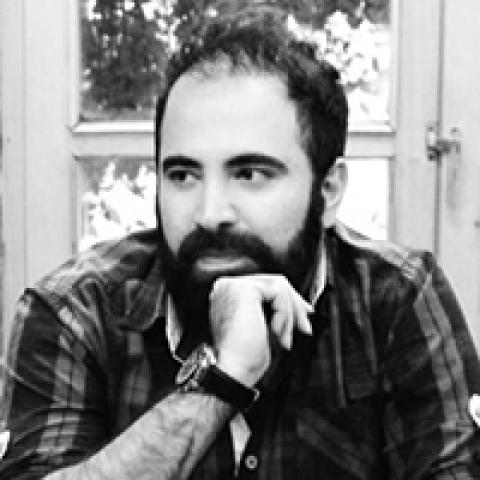

TEHRAN, Iran — An interview with the son of prominent Reformist leader Mohammad Reza Aref, a member of the parliamentary Hope faction, has led to a new controversy in Iran.
The July 20 interview features Hamid Reza Aref talking about how the children of Iranian elites, locally known as "aghazadeh" (noble-born), have "good genes." The interview has not only introduced a new terminology on nepotism to Iran's political lexicon but also brought social media attention to the positions held by these "aghazadehs."
In the interview, the younger Aref said, "The discussions over being an 'aghazadeh' are a way of escaping reality because we are used to blaming someone for our problems. Now they [people] want to lay the blame on the 'aghazadehs.' Naturally, when my mother and father are successful individuals, that [same] gene and blood will also be transferred to me and so it's not that people haphazardly reach a position. Lineage is not a small thing to have someone come out and claim that they have lineage."
Social media users, and especially those on Twitter, immediately responded to Aref's interview with heavy criticism — especially regarding what was seen as his sense of superiority.


