



How this young Yazidi is bringing hope to IS victims
Pari Ibrahim, a young Yazidi women living in the Netherlands, established the Free Yezidi Foundation to highlight the stories of victims of this Iraqi community at the hands of the Islamic State.
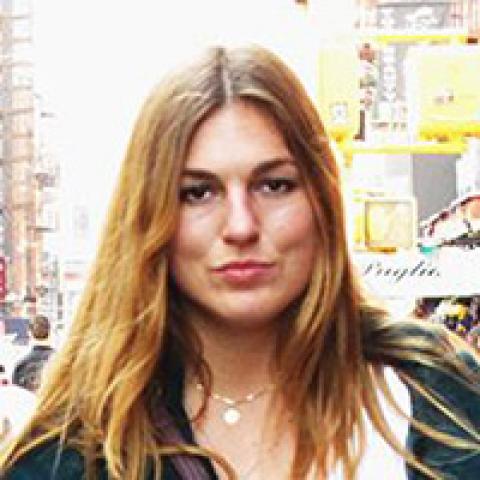

AMSTERDAM — Pari Ibrahim, 27, was a regular law student in the Netherlands who had a job in a library until she received a phone call at 5 a.m. in August 2014 that would change her life forever. A family member from northern Iraq called to inform her that the self-proclaimed Islamic State (IS) had invaded Sinjar and had killed the men and kidnapped the women and children. “We are being massacred, we are heading for the mountains,” the family member said.
Ibrahim, who belongs to the Yazidi community, had fled Iraq with her parents in the 1990s and now lives in the Netherlands. After receiving the phone call, she frantically started searching the internet for information, but was not able to find news. Slowly it became clear what had happened in Sinjar. Thousands of Yazidi men had been killed or disappeared and 6,000 women and children had been enslaved by IS, including 19 females and 21 males who are Ibrahim’s relatives.
The women and girls, some as young as 9, were traded and sold as sex slaves, the boys were forcibly converted to Islam and were brainwashed to serve as fighters. The men were massacred and dumped in dozens of mass graves. To separate the boys from the men, IS militants looked at their armpits — if they had hair, they were killed, Ibrahim explained to Al-Monitor.
From that moment onward, Ibrahim decided to fully dedicate herself to the plight of the Yazidis.


