



Is Israel seeing a shift on sexual violence?
A parole board refused the request by former President Moshe Katsav for early release in part because he did not express regret for the sexual assaults for which he was convicted.
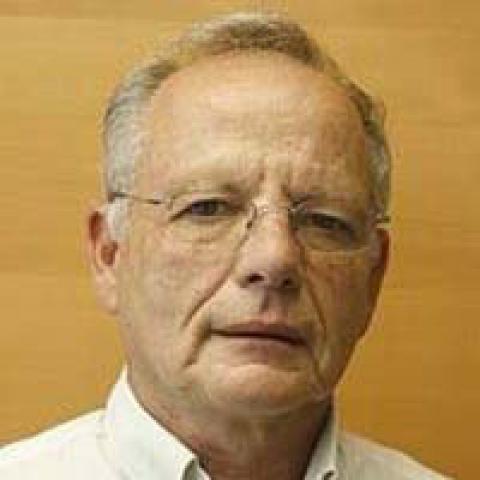

The unanimous April 6 decision by an Israeli prison parole board to reject the early release request of Moshe Katzav, convicted rapist and former president of Israel, is a ray of sunshine in the gloom shrouding Israeli society. With racists like Knesset member Bezalel Smotrich of HaBayit HaYehudi leaving an indelible stain on the benches of the legislature, Prime Minister Benjamin Netanyahu taking the trouble to comfort the parents of a soldier accused of murdering a wounded Palestinian attacker and Justice Minister Ayelet Shaked lashing out at the Supreme Court for rejecting the government's natural gas plan, zero tolerance toward sex offenders is good news for Israeli advocates of human rights and feminism.
The parole board’s decision joins the ruling of the three district court judges who unanimously convicted the former president on Dec. 30, 2010, and the unanimous decision by the three Supreme Court justices who rejected his appeal about a year later. The members of the parole board made it abundantly clear that the extent of damage inflicted on the victims by Katzav's sexual offenses and the potential damage to them of his release supersede any display of mercy.
Let every person in Israel know that there is no forgiveness for a rapist who refuses to own up to his crimes and to express regret and apologize for his acts; Katsav would only agree to apologize to “anyone who feels they’ve been hurt” by him. As the board said, a rapist has the right to argue and believe in his innocence, but in doing so, he does not accept treatment designed to minimize the threat of recidivist behavior.
In this regard, it is especially worth noting the Supreme Court’s anger at Katsav for making “spurious allegations against the plaintiffs, insulting them, harshly criticizing them and going on a libel spree and counterattacks in television studios.” Responding to the parole board’s decision, Meretz Knesset members Michal Rosin, Zehava Gal-On and Tamar Zandberg, said, “The victims of Katsav’s sexual offenses will forever pay the price of his deeds. … Nothing will reduce their ‘sentence.’”


