



Is Iran's supreme leader subject to oversight?
Statements by parliament member Ali Motahari have once again raised the issue of whether Iran's supreme leader can be supervised.
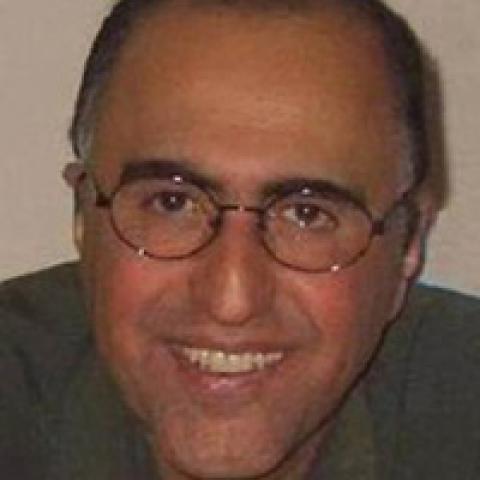

On Nov. 24, Ali Motahari, an outspoken member of the Iranian parliament and son of the noted Islamic scholar Ayatollah Morteza Motahari (1920-79), openly accused the Assembly of Experts of negligence. Motahari argued that the body, consisting of 86 elected Islamic scholars, is responsible for overseeing the actions of Iran’s supreme leader.
“We do not have individuals above criticism in the country,” he said. “The responsibility of the Assembly of Experts is to supervise the performance of the supreme leader and his subordinates, but we haven’t seen them approaching this subject.”
Ayatollah Ahmad Alamolhoda, Mashhad’s Friday prayer leader and a member of the assembly, fiercely countered Motahari’s assertions, saying, “The Assembly of Leadership Experts cannot supervise the leader’s performance because the leader [the guardian jurist] is the guardian of all [of us], and experts cannot supervise the performance of their own guardian … The leader is the guardian, and the experts are subjects of the authority … How can I supervise his actions when he is my guardian?”
Ayatollah Khamenei’s view


