



Iran’s forgotten prisoners
A former prisoner in Iran appeals for human rights not to be forgotten when the nuclear talks start on Feb. 18.

With great interest, eyes around the world are watching the beginning of Iran’s nuclear deal and its exclusion from the peace conference on Syria. While these are indeed important developments for the entire world, the protection of human rights is a more relevant issue for the average Iranian.
Just this month, Iranian Foreign Minister Mohammad Javad Zarif admitted to the country’s human rights “problems and shortcomings,” restating that his new boss, President Hassan Rouhani, has promised to address them. Concrete changes have yet to take place, in part because as Zarif stated, it is a process of “consensus-building, not an immediate issue” and “not everything is in the hands of the executive branch.” The widespread arbitrary arrest and detention of citizens for exercising rights protected under international law and systemic torture have made it an immediate issue for many of us, however. As some 900 prisoners of conscience and political prisoners remain holed up in deplorable, inhumane conditions in Iran, every day matters. I know this feeling of urgency. I was one of those prisoners.
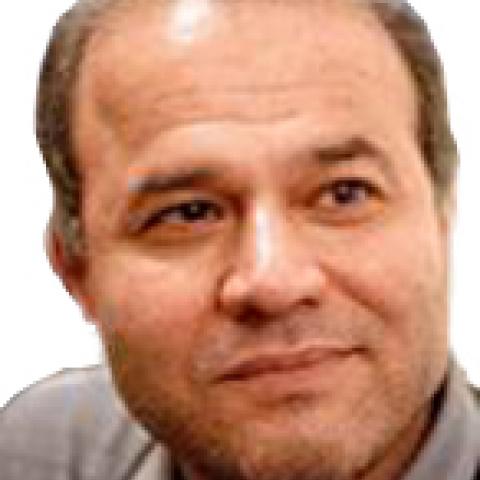
As a labor activist and head of the Tehran bus drivers union, I spent more than five years in prison, experiencing physical and psychological torture, and constant threats against me and my family. Despite being squeezed for extended periods of time into a concrete hole barely long enough to fit my body but not wide enough to stretch my arms, I consider myself one of the fortunate ones. Through my role in the union and as an activist, I forged many relationships with other human rights defenders and trade unionist both in Iran and abroad. When I was illegally jailed for advocating on behalf of bus drivers for fair wages, they called publicly for my release. Many others, however, do not benefit from this kind of attention.
The international media, too, helped me regain my freedom by reporting my situation and detention, building a sense of public empathy — even from prison guards, some of whom I can call my friends. While the prison conditions I was subjected to were cruel and degrading, my name and location were known, my story was told and my freedom was returned, even if it involved fleeing my home country. Other activists whom I admire have unfortunately not enjoyed the same luck, which is why I have made it my mission to share their stories and advocate on their behalf.


