



Iran Frees Political Prisoners Before Rouhani Comes to UN
Beyond a public-relations gesture in advance of President Hassan Rouhani’s US trip, the release of political prisoners could ease the divisions in Iran following the disputed 2009 presidential elections.
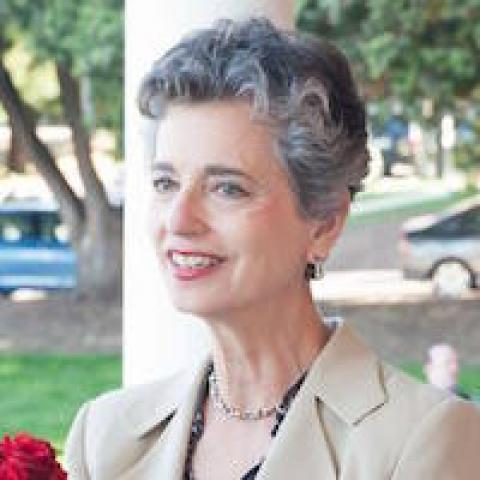

Days before Iran’s new President Hassan Rouhani is due to arrive in New York, the Iranian government freed 11 political prisoners Sept. 18, beginning to fulfill Rouhani’s campaign promises to ease domestic repression even as he seeks more constructive engagement with the outside world.
The news of the release of eight women — including well-known human rights lawyer Nasrin Sotoudeh — and three men including Mohsen Aminzadeh, a former deputy foreign minister, appeared timed to coincide with Rouhani’s debut on a major international stage at the annual meeting of the UN General Assembly (UNGA). Rouhani’s predecessor, Mahmoud Ahmadinejad, also engineered such releases before his trips to New York each September; Mohammad Khatami, whom Ahmadinejad succeeded, used his first visit to UNGA in 1998 to announce Khatami announced that Iran would not support implementation of a fatwa against British author Salman Rushdie.
Wednesday’s actions potentially have much greater resonance in Iran. Those freed were all Iranians jailed after the disputed 2009 presidential elections that led to a massive government crackdown on Iran’s Reformist movement, human rights activists and civil society in general. The election of Rouhani, who was backed by Reformist former President Mohammad Khatami and centrist Akhbar Hashemi Rafsanjani, has been viewed by many Iranians as a way to start putting the divisions of 2009 behind them.
Haleh Esfandiari, an Iranian-American academic who was held in Evin prison for four months in 2007 on trumped-up charges of espionage and was freed just before Ahmadinejad came to New York that year, told Al-Monitor that Wednesday’s announcement was “great news. My sense is that [Rouhani] didn’t want to have to deal with questions regarding high-profile women activists who are in prison. Sotoudeh is well known around the world, and [Nobel peace prize laureate] Shirin Ebadi talks about her and other women activists who are in jail all the time.”


