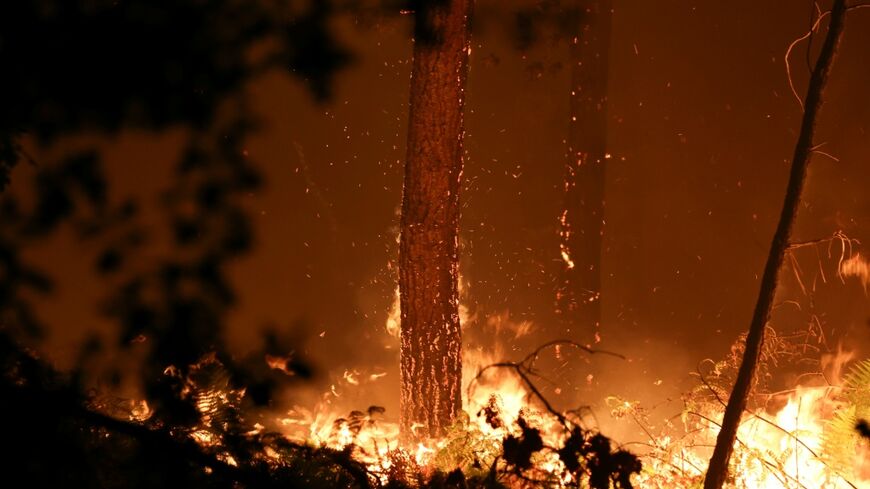
Nisantasi beyond the shop windows
Also this week: Hopdaddy burgers, Ara Guler’s photographs and Istanbul’s apartment stories.

Welcome back to AL-MONITOR Istanbul.
This week, we stay in Nisantasi, the district Istanbul pretends to find too polished and then visits every weekend. Here is our glance at its galleries, restaurants and bookstores, with detours to Paris, Cornwall and Antalya on the eve of COP31.
If you want to receive this newsletter or our other weekly City Pulse newsletters — for Doha, Dubai and Riyadh — sign up here.
Thanks for reading,
Nazlan (@NazlanEr on X)
P.S. Have tips on Istanbul’s culture scene? Send them my way at nertan@al-monitor.com.
Also, don’t forget to follow us on Instagram: @citypulsealm
1. Leading the week: Re-enchanting Nisantasi
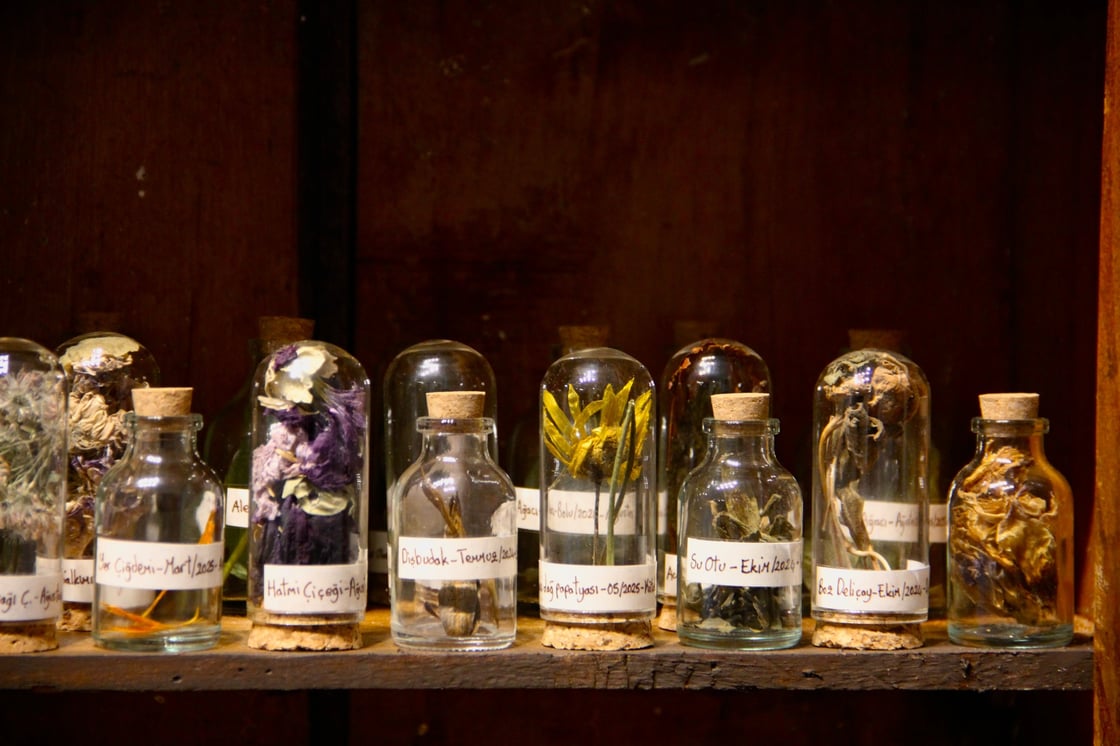
Hande Dilaver’s “Archive Inside a Capsule.” (Courtesy of Lenzart space)
Nisantasi is not where one goes to have one’s worldview unsettled. Its shop windows trade in certainty: the right bag, the right brunch, the right people. There is a certain mischief, then, in Lenzart space choosing the neighborhood for an opening show about everything that refuses to be measured.
Founded this year by Elnaz Rahimoglu, the gallery is a small space in an apartment building on Kodaman Sokak, just off Valikonagi Caddesi. Its first exhibition, “A Disenchanted World,” has a title that will ring a bell with anyone who has read Max Weber and Amin Maalouf.
The curator, Derya Yucel, is an art writer, lecturer and professor of arts management at Istanbul Bilgi University. Here she gathers 12 artists, among them Kezban Arca Batibeki, CANAN and Serpil Yeter, around myth, symbol and ritual thinking.
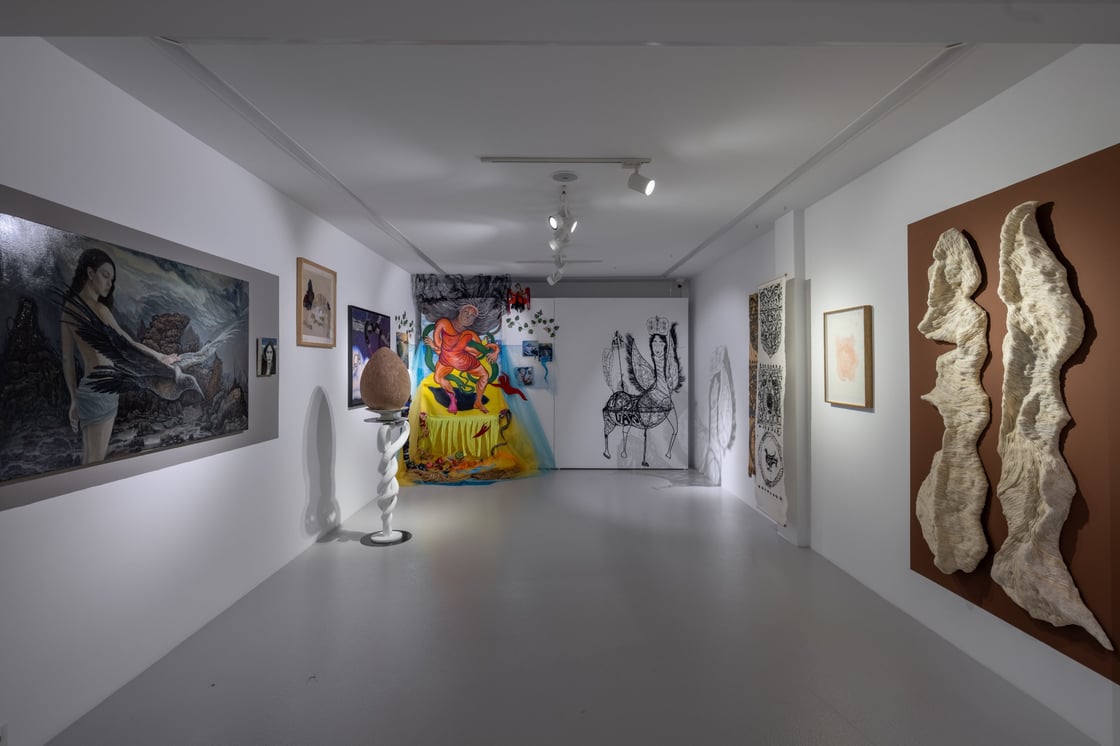
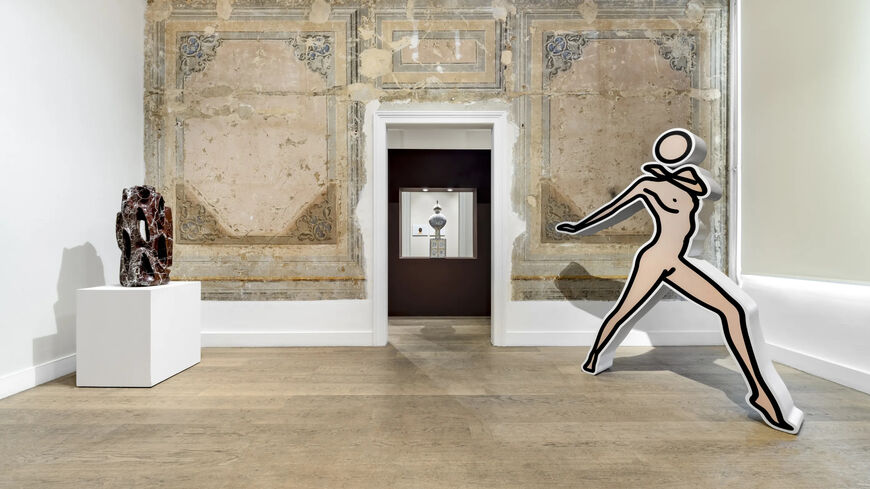
“A Disenchanted World” at Lenzart space. (Courtesy of Lenzart space)
Serpents, birds, water, stones, apples, hybrid bodies and underworlds recur. Batibeki’s “Wadjet” borrows its name from the Egyptian cobra goddess, yet the show thankfully resists nostalgia. The curatorial text concedes that art cannot restore a lost sacredness. It can only suspend, for a while, the feeling that the world has been fully explained and used up.
Rahimoglu calls Lenzart a “dynamic platform” and then qualifies that by saying “dynamism doesn’t just mean a busy exhibition calendar.” She points instead to artist talks, research-based projects and curatorial collaborations. But with a restraint unusual on these streets, she adds, “We don’t see growth as a quantitative goal.”
In a neighborhood built on acquisition, a smaller room making the case for slow looking may be the season’s best buy.
Date: Until Nov. 29
Location: Valikonagi Caddesi, Kodaman Sokak No:6/4, Nisantasi, Sisli
2. Word on the street: Hopdaddy Burger
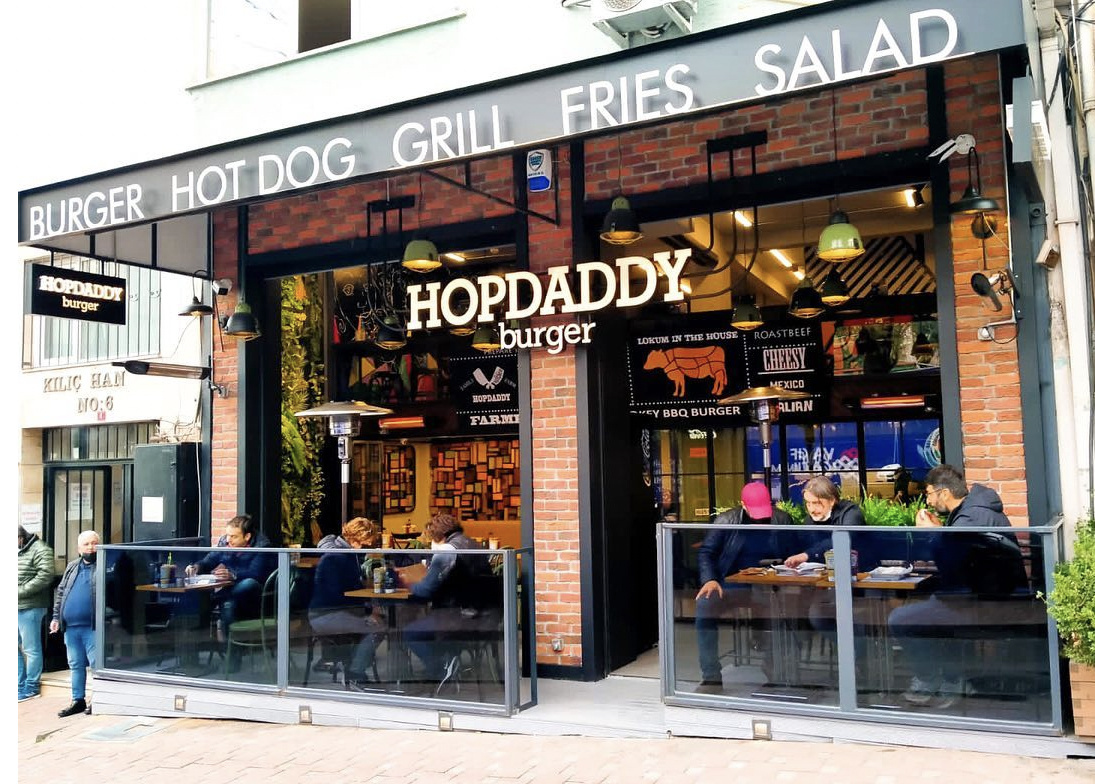
Hopdaddy Burger in Tesvikiye. (Courtesy of Hopdaddy Burger)
Nisantasi does not lack places to eat. At the chic end sits Cipriani, inside the Park Hyatt Macka Palas, heir to a four-generation family tradition of Italian hospitality; at the casual end is Kirinti. For Turkish classics, there is Hunkar; for a familiar international name, Pizza Express, which hosts the odd musical evening (“There will be more events in winter,” its headwaiter informs me). But the place I want to point you to is Hopdaddy Burger, home to one of the tastiest burgers in town. Try the smokey BBQ: smoked patty, crispy onions, smoked beef, cheddar and barbecue sauce, with hearty fries.
Location: Osman F. Seden Sokak No:6/A, Tesvikiye, Sisli
3. (Beyond) Istanbul diary
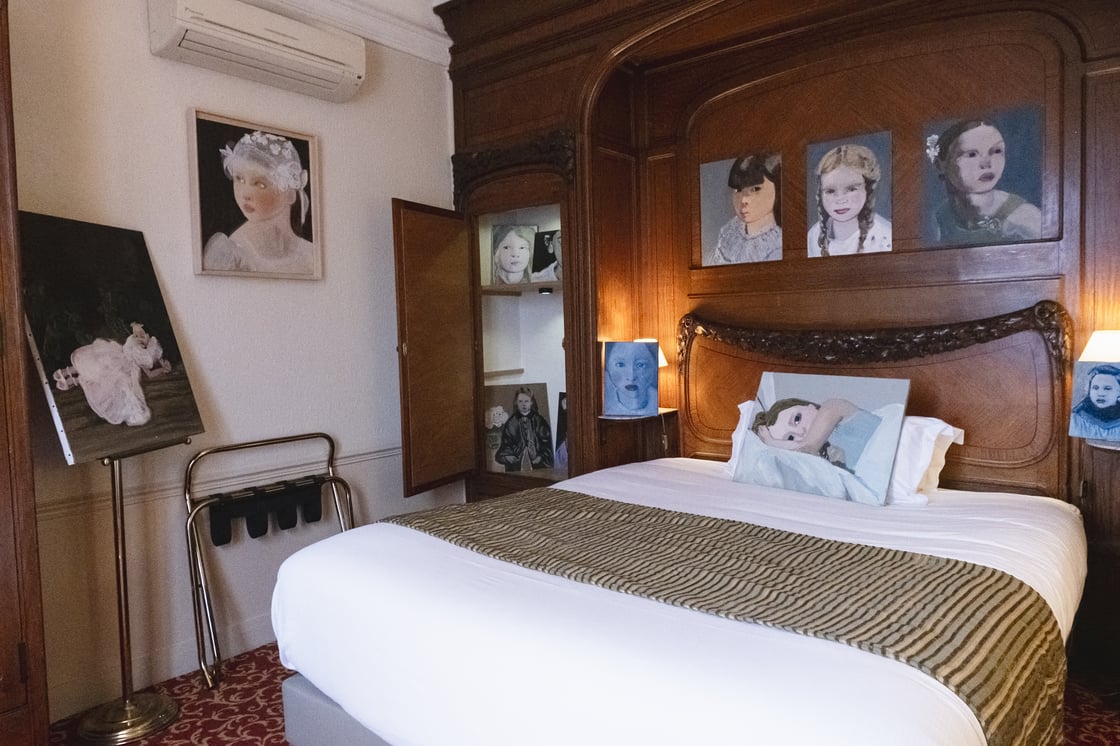
Ramize Erer’s “Separation” in Room 44 of the Hotel Langlois. (Courtesy of the artist)
First, news from abroad: Ramize Erer has turned Room 44 of Paris’s Hotel Langlois into a gallery for “Separation,” works on loss and transience. Hotel Langlois, Paris, until Oct. 31. In Cornwall, Gozde Ilkin reshapes old family bedsheets with batik and wire into wave-like forms in “Those Who Remember Their Births.” Tate St Ives, until Jan. 17.
Three private collections fill the Akaretler row houses in Artweeks Istanbul’s free “Collectors” edition: Banu and Hakan Carmikli’s “Reunion,” Oner Kocabeyoglu’s “Passion and Patience” and Tansa Mermerci’s “Tranquility and Uproar.” Akaretler Siraevler, Besiktas, until Nov. 8.
“Ara Guler: Master of Leica” pairs photographs from across the photographer’s career with his own cameras and archive material. Ara Guler Museum, Bomontiada, opens Nov. 4.
Two days before COP31 opens in Antalya, “Geography of Flowers” at Greenhouse Art Days looks at women’s ecological struggles. Iz Oztat and Fatma Belkis’s “Who Carries the Water?” recalls the yellow headscarves of women who fought hydropower plants in the Loc Valley and won in 2020. Greenhouse, Geyikbayiri, Antalya, opens Nov. 7.
4. Book of the Week: ‘The Apartments of Istanbul’

Step into Patika, a bookshop tucked inside the Milli Reasurans arcade in Tesvikiye, for an hour among books and magazines, including back issues of Cornucopia. My pick from its shelves is Turan Farajova’s “The Apartments of Istanbul: Beyoglu” (Epona, 2025). Farajova walks Beyoglu’s main arteries building by building, from Taksim to Galata and the old Grande Rue de Pera. Fittingly, the book was launched last December at the Greek Consulate General’s Sismanoglio Megaro, one of the buildings it portrays.
Location: Milli Reasurans Carsisi, G Blok No:43-57 D:39, Abdi Ipekci Caddesi, Tesvikiye
5. Istanbul gaze
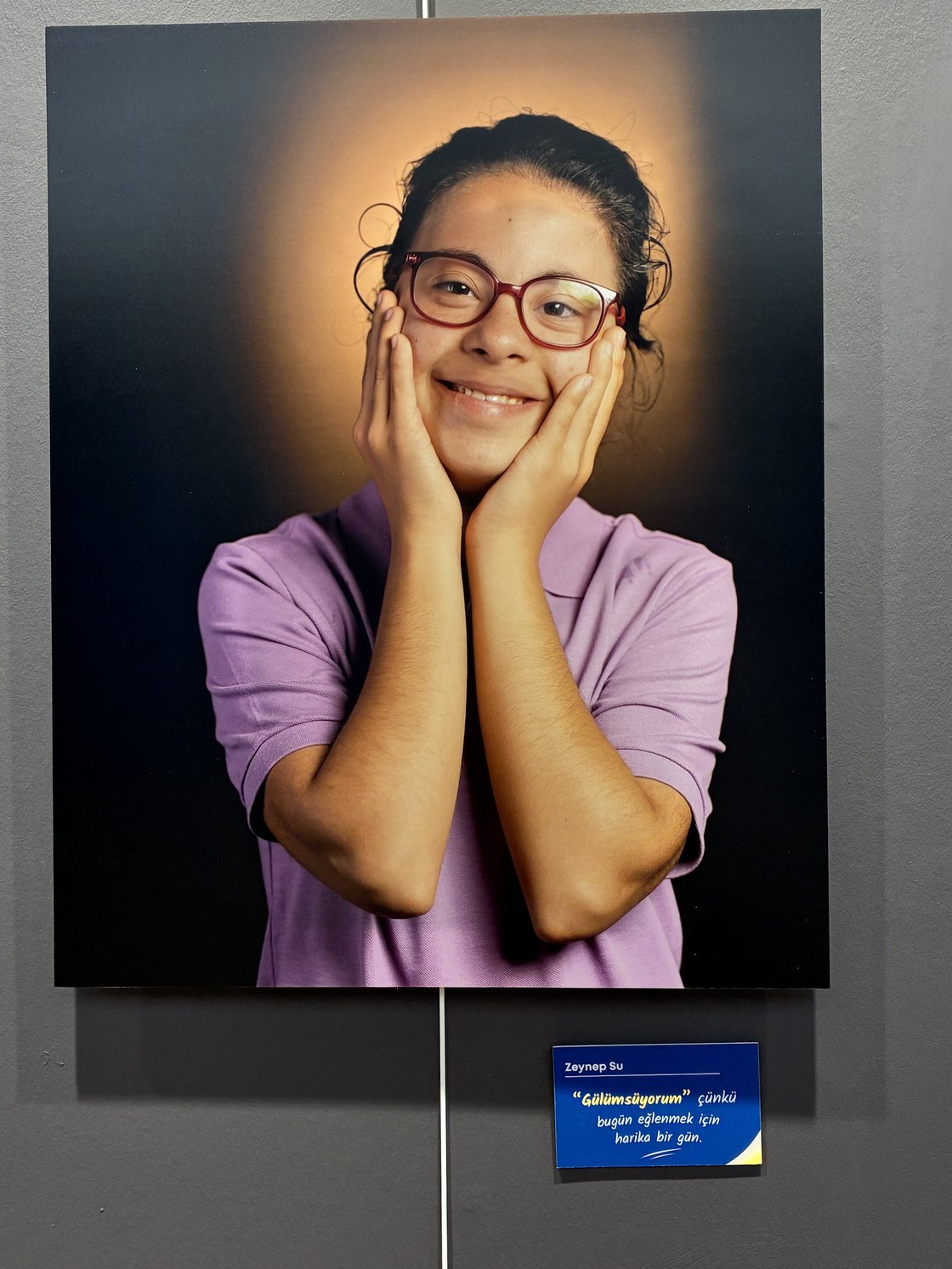
Muammer Yanmaz’s portrait of Zeynep Su in “40 Smiles.” (Photo by Nazlan Ertan)
To mark its 15th year, Turkey’s Down Syndrome Association has filled Galeri Isik with “40 Smiles,” Muammer Yanmaz’s portraits of 40 people with Down syndrome, curated by Merih Akogul. Beside each frame is the sitter’s own reason for smiling. Zeynep Su’s: “Because today is a great day to have fun.”
Location: Tesvikiye Caddesi No:6, Nisantasi
6. By the numbers
Istanbul’s motorcycle couriers, known locally as moto kurye, are as much a part of the cityscape as its ferries. Their work is far more dangerous:
- At least 233 motor couriers died on the job in Turkey between 2022 and 2025, according to the Courier Rights Association. With no official statistics, that is a minimum count.
- Istanbul accounted for 36% of those deaths.
- In a 2022 ILO survey, 59% of couriers had already had a work accident and 93% felt at risk. Their working day averaged 11.2 hours, rising to 12.8 for self-employed couriers.
This one's on us.
The story doesn't end here.
Our correspondents are already on the next chapter. Read everything they file, from $2/week.