Turkey backs Red Sea coalition
Ankara's decision to back a Saudi-led Red Sea coalition raises fresh questions about Turkey's regional ambitions.

Hello again from AL-MONITOR Turkey.
It’s been an incredibly busy and scoop-laden week for us at Al-Monitor. We were first with the news on a new Saudi-led alliance for the Red Sea. Turkey was among 14 countries to sign a joint communique lending support to the scheme, whose immediate purpose is ostensibly to spook the Iran-backed Houthis. Read on for that and more.
Amberin
🐕🇹🇷🐾
@amberinzaman on X, @amberinzamanjournalist on Instagram

Leading the week
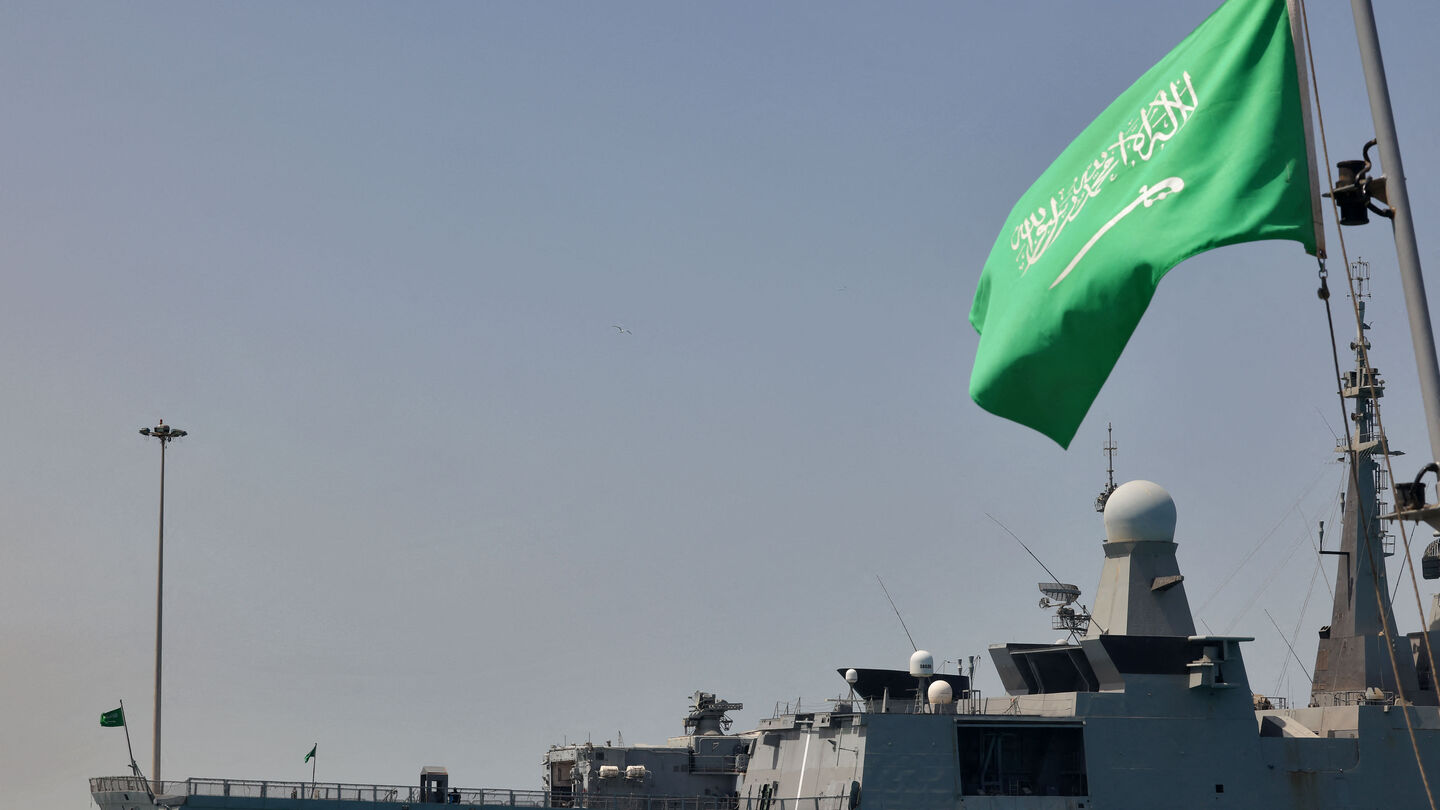
A Saudi navy ship is pictured docked at King Faisal navy base in Jeddah before the departure of a team to Port Sudan to help with the evacuation efforts of people fleeing Sudan, on April 29, 2023. — Fayez NURELDINE / AFP via Getty Images
It came as quite a surprise to my sources that Turkey signed off on the Red Sea coalition, as I noted here. The Saudis will be the boss of it and Turkey doesn’t like to be in the subordinate role, least of all with a former Ottoman dominion. But who knows whether this scheme will grow real legs. The Americans have not signed off yet, and most of the 51 countries invited to join are still sitting on the fence.
Turkey’s appetite for international military ventures seems to be expanding. Turkish President Recep Tayyip Erdogan told his Lebanese counterpart, Joseph Aoun, in Ankara on Thursday that Turkey would be willing to take part in a post-UN force in Lebanon, as Ezgi Akin reported. The Middle East Institute’s Gonul Tol reckons Turkey’s interest stems from its stakes in Syria and the Eastern Mediterranean. The Stimson Center’s Randa Slim counters that Israel will make sure that no Turkish forces are deployed in Lebanon.
For a fascinating conversation on Turkey’s poisonous ties with Israel watch our webinar hosted by Al-Monitor's diplomatic correspondent Elizabeth Hagedorn, featuring Tol, Al-Monitor contributor Ben Caspit, and former US ambassador to Israel Daniel Shapiro.
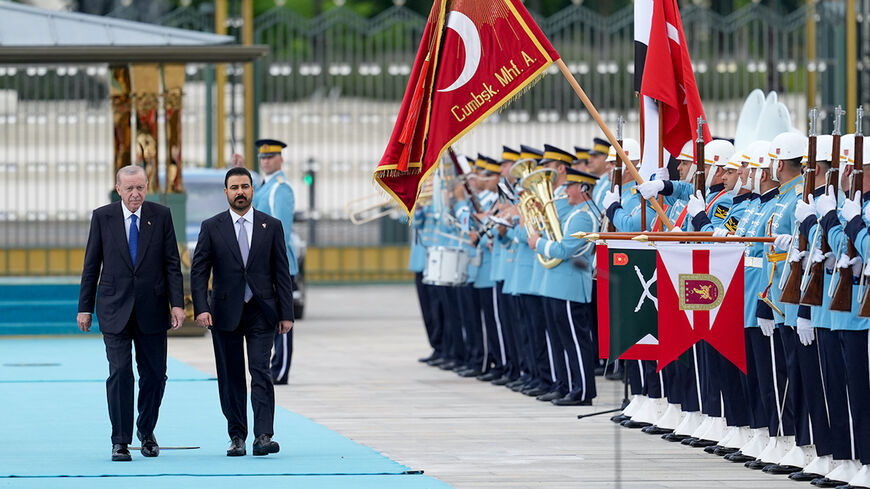
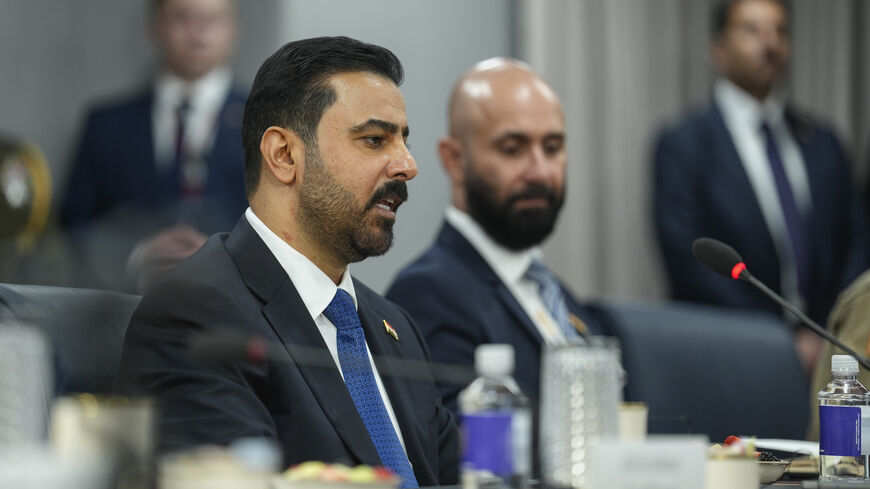
Iraq’s newish prime minister, Ali al-Zaidi, met with Erdogan on Wednesday, his third foreign trip since taking office in May. The visit was quite successful, as Ezgi reported here, with Turkey’s state oil company TPAO being awarded a 15% stake in British Petroleum’s Kirkuk operations. We noted here that Turkey has been pushing for a slice of the Kirkuk cake as part of a new deal for the export of Kirkuk crude via a pipeline that runs to Turkish landing terminals on the Mediterranean.
The old deal expired this week, but has been informally extended until the sides agree on a new one. Iraq offered to provide Turkey with 1 million barrels of oil per day, which is significant. However, no mention was made of Iraq’s demand for more water from the Euphrates and Tigris rivers to relieve his drought-stricken country. Intriguingly, Faiq Zeidan, Iraq’s omnipotent president of the Supreme Judicial Council, met with Erdogan on Thursday, a day after Zaidi’s visit. No details were provided. But the fact that Erdogan received him is further proof that Zeidan is the most powerful man in Iraq today, Iraq watchers say.

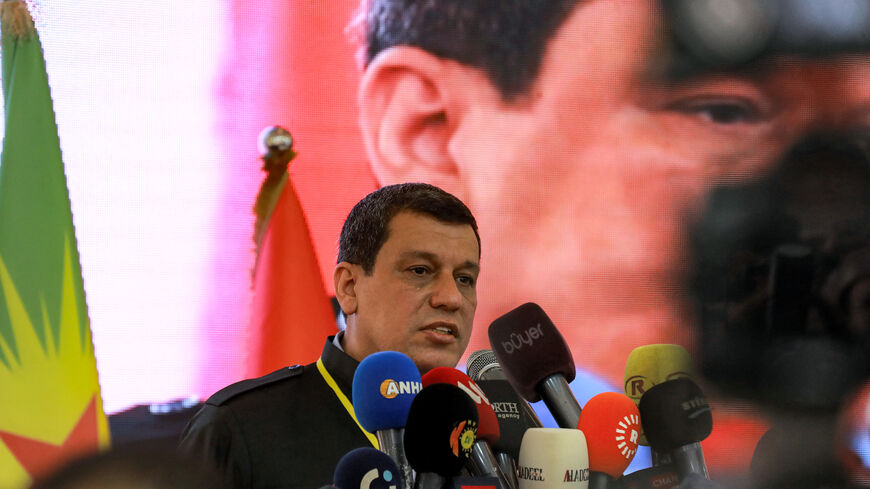
The meeting came amid last-minute negotiations between the government and Kurdish leaders for a draft amnesty law that would expunge thousands of PKK fighters and prisoners accused of links with the group. Turkey is reportedly seeking Baghdad’s assistance for the demobilizing and disarming of PKK fighters who qualify. Zeidan might have been asked to help with this.
The bulk of the PKK’s armed fighters are based in Kurdish-controlled northern Iraq. The Kurds are accusing the government of foot-dragging. It’s an open secret that Erdogan is of two minds about the law amid worries of blowback from his nationalist base who continue to view the PKK and its imprisoned leader, Abdullah Ocalan, as “baby killers.” That said, Omer Celik, the spokesperson for Erdogan’s Justice and Development Party, said this week that the law would be brought to the parliament before it goes into recess this month. But points of disagreement abound and the government reckons it can impose its will as the Kurds hold a weaker hand. To be determined…

Other top stories
Barin Kayaoglu has an excellent analysis of how the Iran conflict has put Turkey’s fight against high inflation at greater risk.
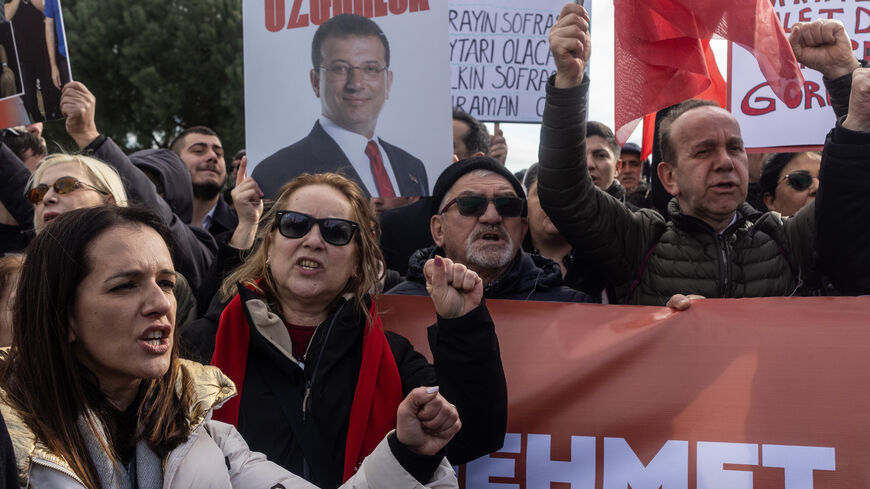
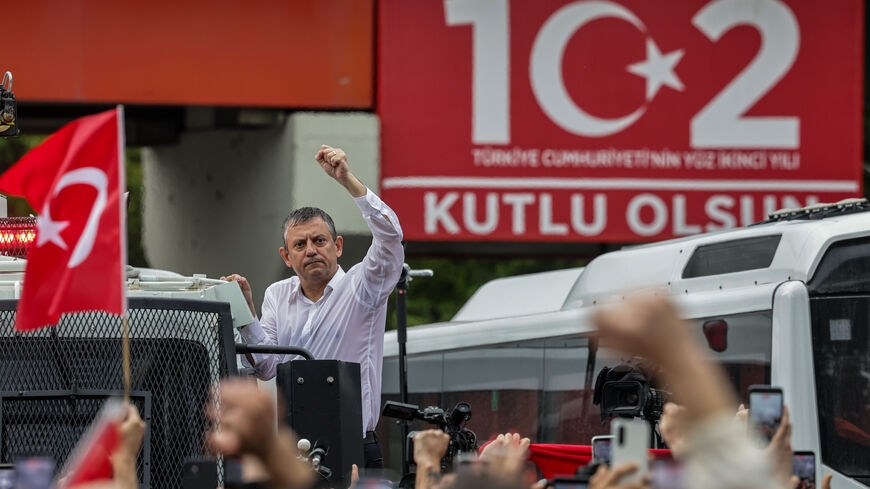
US-based academic Halil Karaveli outlined the challenges posed to Erdogan by Ozgur Ozel, the ousted leader of the main opposition Republican People’s Party. Opinion polls continue to show his newly formed New Party — now the second largest opposition group in the parliament — beating Erdogan’s AKP if snap parliamentary elections were held now. This is prompting speculation that Ozel might be locked in the widening legal crackdown on his erstwhile CHP colleagues. Two female CHP mayors, that of Izmit and Istanbul’s Uskudar district, and the male mayor of Ankara’s Etismesgut, were the latest to be arrested on what the opposition says are fabricated corruption charges. Ezgi unpacked the dynamics here.
Don’t forget to sign up here for Nazlan Ertan’s treasure-laden Istanbul newsletter. It’s the top guide for a cultural and gastronomic odyssey in Istanbul and beyond.

Also on our radar
The FDD’s Sinan Ciddi examines Turkey’s expanding foothold in Africa here.
For those of you addicted to Turkish TV shows like I am, I strongly recommend “Guller ve Gunahlar,” which means Roses and Sins. Here’s the link to the first episode. Enjoy!