Saudi FM in Syria for first visit since Assad's ouster

Saudi Arabia's top diplomat said Friday the kingdom was seeking to help Syria's new authorities secure the lifting of international sanctions, during his first visit to Damascus since Bashar al-Assad's overthrow.

Prince Faisal bin Farhan was received by Syria's Islamist interim leader, Ahmed al-Sharaa, who is eyeing investments from wealthy Gulf states to rebuild the war-torn country.

The Saudi diplomat flew to Damascus from Beirut, an AFP correspondent said, following meetings on Thursday with Lebanon's new leadership.
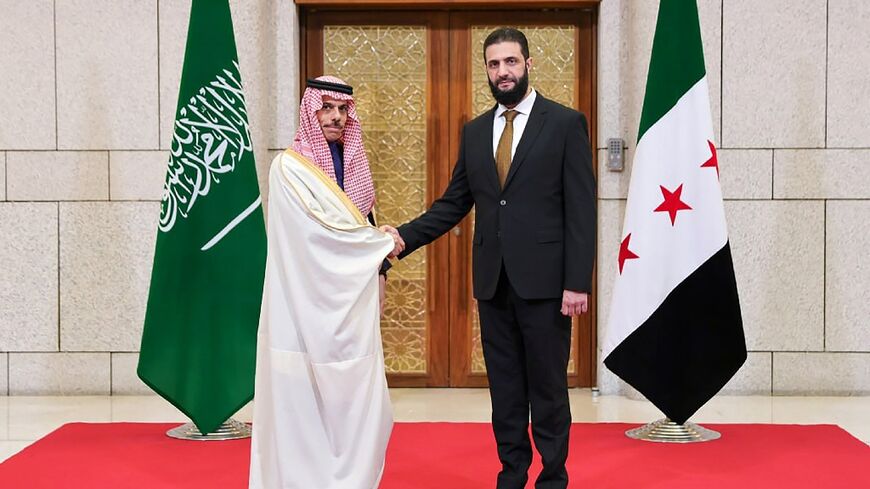
This handout picture released by the Syrian Arab News Agency SANA shows Syria's new leader Ahmed al-Sharaa welcoming Saudi Arabia's Foreign Minister Faisal bin Farhan in Damascus

UN chief says seven more workers detained by Huthi rebels in Yemen

Yemen's Huthi rebels have detained another seven UN employees, the United Nations chief said on Friday, their latest move to target aid workers.

Secretary-General Antonio Guterres called for the "immediate and unconditional" release of all aid staff held in Yemen, which is suffering one of the world's worst humanitarian crises.

"Their continued arbitrary detention is unacceptable," Guterres said in a statement, adding that the United Nations was working to secure the release of those being held.

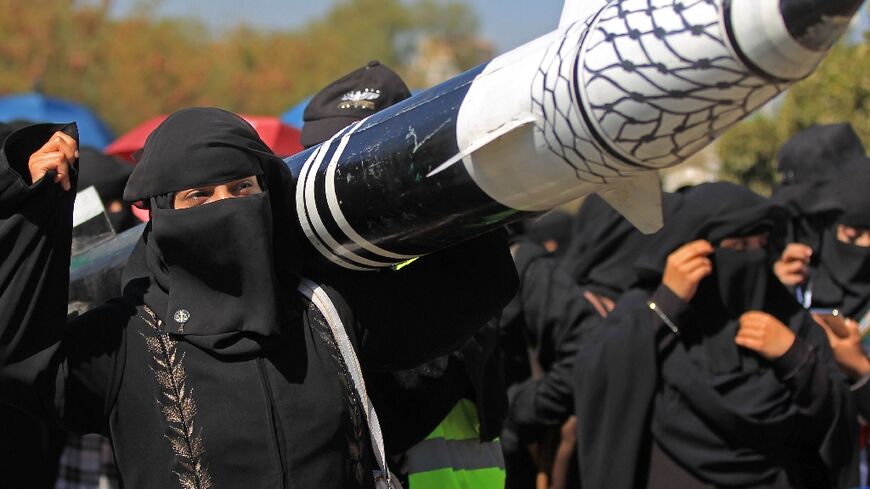
A Yemeni protester holds a mock rocket during an anti-Israel demonstration in the Huthi-controlled capital of Sanaa on January 22, 2025

Stay or go? The dilemma of Turkey's Syrian refugees

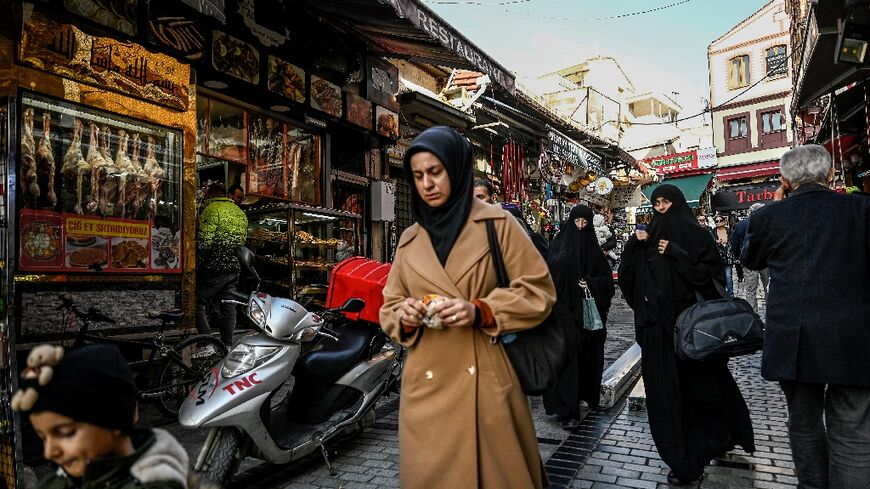
More than 50,000 Syrian refugees have left Turkey to return home since Bashar al-Assad's ouster. But for many others living in the country, the thought raises a host of worrying questions.

In Altindag, a northeastern suburb of Ankara home to many Syrians, Radigue Muhrabi, who has a newborn and two other children, said she could not quite envisage going back to Syria "where everything is so uncertain".

For many Syrian refugees living in Turkey, the idea of going home raises many worrying questions

Despite truce, Lebanese from devastated Naqura cannot go home

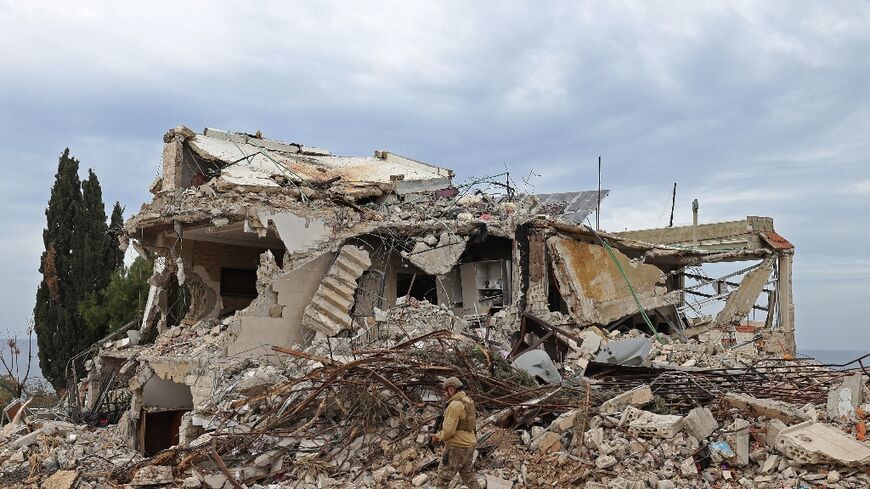
All signs of life have disappeared from the bombed-out houses and empty streets of the Lebanese border town of Naqura, but despite a fragile Hezbollah-Israel ceasefire that has held since November, no one can return.

The Israeli military is still deployed in parts of Lebanon's south, days ahead of a January 26 deadline to fully implement the terms of the truce.

The deal gave the parties 60 days to withdraw -- Israel back across the border, and Hezbollah farther north -- as the Lebanese army and UN peacekeepers redeployed to the south.

A Lebansese soldier patrols a residential area in Naqura that was devastated by the war between Israel and Hezbollah

Smog chokes Baghdad as oil-fired factories belch out smoke

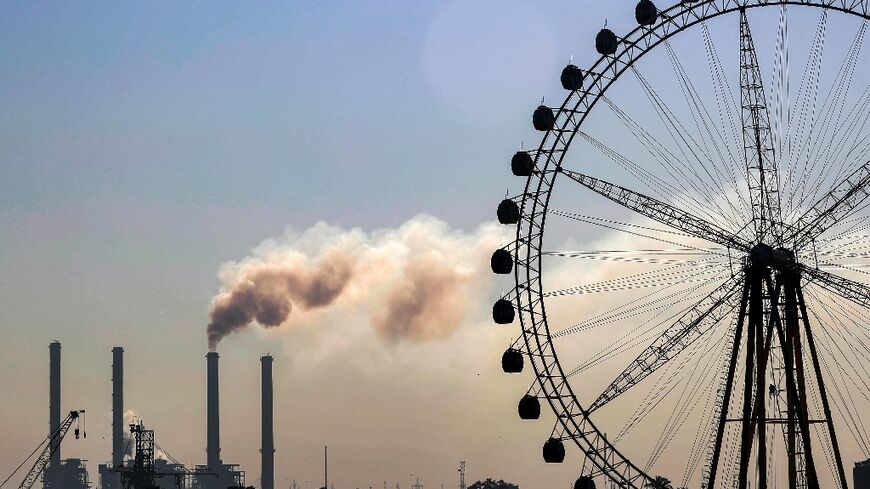
Iraqi grocery store owner Abu Amjad al-Zubaidi is grappling with asthma, a condition his doctor blames on emissions from a nearby power plant that fills his Baghdad neighbourhood with noxious smoke.

In winter, a thick smog frequently envelops the city of nine million people as the fumes belched out by its many oil-fired factories are trapped by a layer of cold air.

The stench of sulphur permeates some districts, where brick and asphalt factories run on heavy fuel oil, taking advantage of generous state subsidies in the world's sixth biggest oil producer.

Smoke belches from the Dora power station, one of several plants that residents blame for poor air quality in Baghdad

'Living in a cage': West Bank checkpoints proliferate after Gaza truce

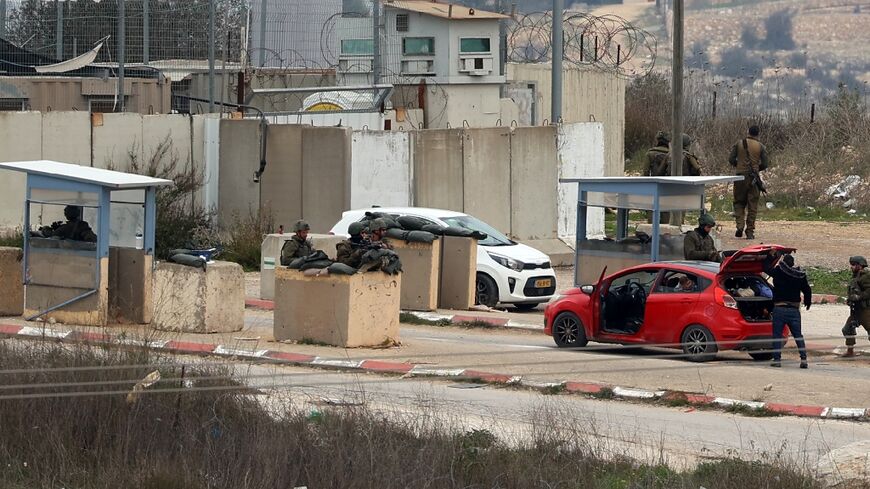
Father Bashar Basiel moved freely in and out of his parish in the occupied West Bank until Israeli troops installed gates at the entrance of his village Taybeh overnight, just hours after a ceasefire began in Gaza.

"We woke up and we were surprised to see that we have the iron gates in our entrance of Taybeh, on the roads that are going to Jericho, to Jerusalem, to Nablus," said Basiel, a Catholic priest in the Christian village north of Ramallah.

Palestinians sometimes wait hours on their way home from work while cars are searched and IDs verified

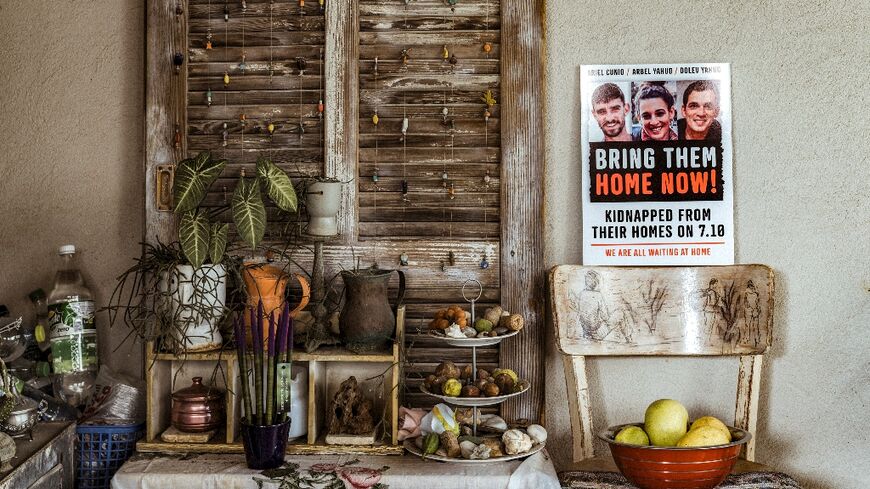
Gaza hostage families conflicted over those not on release list

The families of Israeli hostages held in Gaza are trapped in limbo, two days before the second prisoner exchange of the Israel-Hamas ceasefire, with many having relatives both on the list to be freed and those who aren't.

Among them is Silvia Cunio, an Argentine-Israeli from the Nir Oz kibbutz community. She has two sons in captivity, one of whom was taken along with his partner Arbel Yehud.

She is on the list -- but the Cunio brothers, David and Ariel, are not.

Arbel Yehud, centre, is on the release list but her partner Ariel Cunio, at left, is not

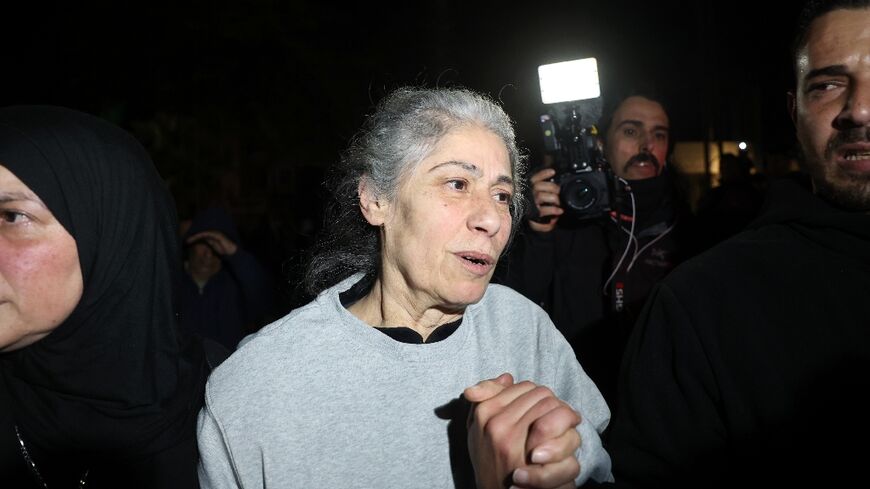
Freed Palestinian activist recounts difficult times in Israeli jail

What struck those who knew Khalida Jarrar when she exited the bus with 77 other Palestinians released from Israeli jails was the whiteness of her hair and her broken voice.

Jarrar, an activist of the Popular Front for the Liberation of Palestine (PFLP), said she lost her voice from six months in solitary confinement, and accused Israeli jails of "bad treatment", which the Israeli Prison Service denies.

Palestinian activist Khalida Jarrar, a prominent figure in the leftist Popular Front for the Liberation of Palestine, emerges white-haired and pale-faced from six months of solitary confinement in an Israeli jail.

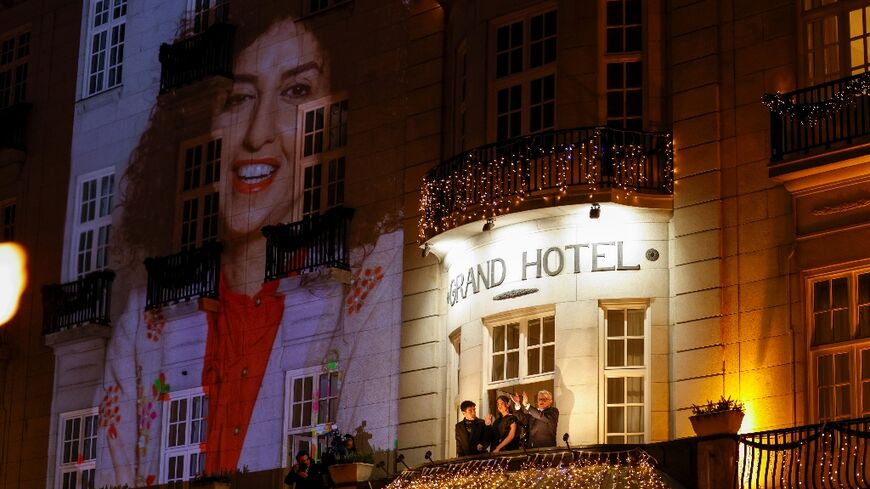
Iran Nobel winner addresses French parliament while on prison leave

Iranian Nobel Peace Prize winner Narges Mohammadi on Thursday called for an "end" to the Islamic republic and urged human rights to be a precondition of any negotiation with Tehran as she addressed French lawmakers, in a rare encounter with an Iran-based activist.

Mohammadi, 52, had been in prison for over three years but was released in December for a limited period on medical leave. Her legal team have warned she could be re-arrested and sent back to jail at any time.

Mohammadi urged Iranians to report abuses

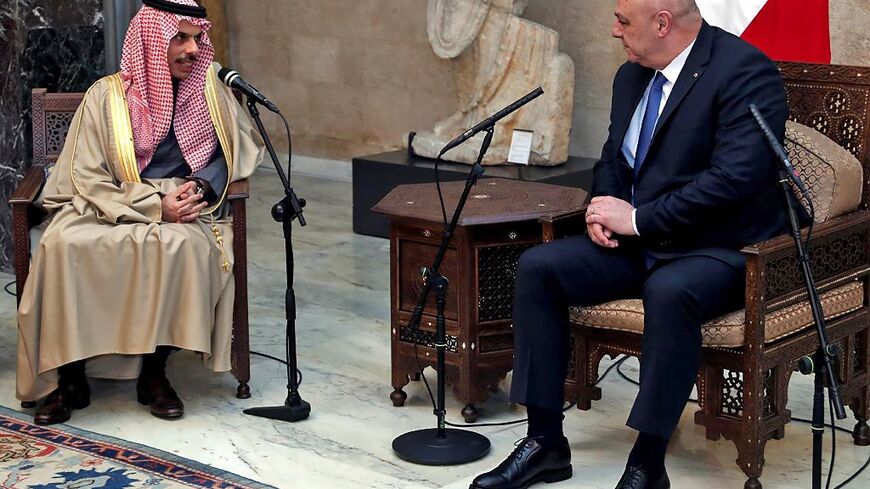
Saudi FM says confident of reform under new Lebanon leaders

Saudi Arabia's top diplomat, on his country's first high-level visit to Beirut after years of strained ties, said Thursday that he believed crisis-hit Lebanon's new leaders could spearhead long-sought reforms.

Reeling from years of economic collapse and a destructive Israel-Hezbollah war, Lebanese leaders have pinned hopes on wealthy Gulf states for desperately needed reconstruction funds.

Lebanese President Joseph Aoun (R) speaks with visiting Saudi Arabian Foreign Minister Faisal bin Farhan on Thursday