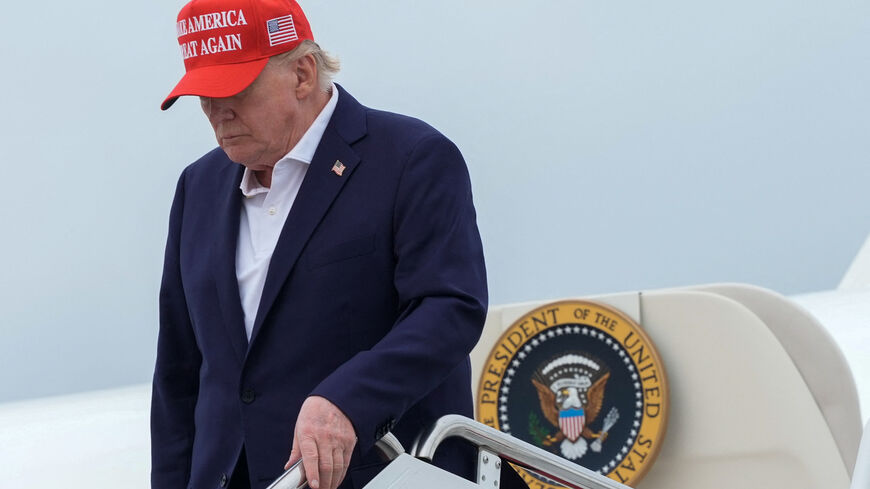
US Senate to vote on resolution to curb Trump's Iran war powers

By Patricia Zengerle

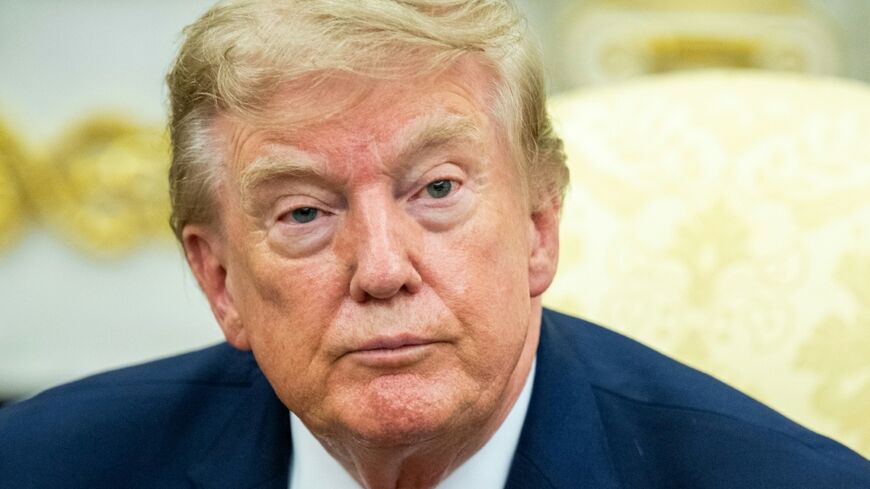
WASHINGTON, April 8 (Reuters) - U.S. lawmakers will try again next week to pass a resolution to halt the Iran war and force President Donald Trump to obtain Congress' approval for any further attacks, Senate Democratic Leader Chuck Schumer said on Wednesday, hours after Trump announced a two-week ceasefire.

"Congress must reassert its authority, especially at this dangerous moment," Schumer told a press conference at his office in New York.

FILE PHOTO: Two F/A-18 Super Hornets launch from the flight deck of the U.S. Navy Nimitz-class aircraft carrier USS Abraham Lincoln in support of the Operation Epic Fury attack on Iran from an undisclosed location March 3, 2026. U.S. Navy/Handout via REUTERS /File Photo

IMF, World Bank and UN food agency say war is increasing food prices, insecurity

By Andrea Shalal

WASHINGTON, April 8 (Reuters) - The World Bank, International Monetary Fund and the U.N. World Food Programme warned on Wednesday that sharp increases in oil, natural gas and fertilizer prices triggered by the war in the Middle East will inevitably cause rising food prices and food insecurity.

In a joint statement issued after a meeting on the war, the leaders of the global institutions said the burden would fall most heavily on the world's most vulnerable populations, particularly in low-income, import-dependent economies.

FILE PHOTO: A view of the International Monetary Fund (IMF) logo at its headquarters in Washington, D.C., U.S., November 24, 2024. REUTERS/Benoit Tessier/File Photo

Trump says Lebanon is not part of ceasefire deal with Iran, PBS reports

WASHINGTON, April 8 (Reuters) - Lebanon is not part of the ceasefire agreement the U.S. has with Iran "because of Hezbollah" but will "get taken care of," U.S. President Donald Trump told PBS News in an interview on Wednesday a day after his ceasefire agreement with Iran.

Asked if he was okay with Israel's continued strikes, Trump said "That's a separate skirmish," PBS "News Hour" program's Liz Landers said in a post on X following the interview.

White House Press Secretary Karoline Leavitt earlier said that Lebanon was not part of the deal, Axios reported.

U.S. President Donald Trump takes questions as he speaks during a press conference in the James S. Brady Press Briefing Room at the White House in Washington, D.C., U.S., April 6, 2026. REUTERS/Evan Vucci

Italy summons Israeli ambassador after shots fired at UN in Lebanon

(Refiles to fix word order paragraph 5)

By Angelo Amante

ROME, April 8 (Reuters) - Italy summoned the Israeli ambassador on Wednesday to demand an explanation over shots fired at an Italian convoy in a U.N. mission in Lebanon, the foreign minister said, warning Israeli forces had "no authority to touch" Rome's troops.

The U.N. peacekeeping force, known as UNIFIL, is stationed in southern Lebanon to monitor hostilities along a demarcation line with Israel - an area that has seen major clashes between Israeli troops and Iran-backed Hezbollah fighters.

Italian Foreign Minister Antonio Tajani speaks during a press conference in the building of the Italian embassy, in Baabda, Lebanon, January 10, 2025. REUTERS/Mohamed Azakir

Explainer-US-Iran ceasefire: what we know

WASHINGTON, April 8 (Reuters) - Here is what we know following Tuesday evening's dramatic reversal by U.S. President Donald Trump of his threats to attack Iran's civilian infrastructure.

IS THERE ACTUALLY A CEASEFIRE?

It's unclear.

Iran and the U.S. agreed on Tuesday to a two-week ceasefire brokered by Pakistan, but fighting was still taking place on Wednesday.

Israel launched its biggest attacks yet on Lebanon, targeting the Iran-backed Hezbollah militia, destroying buildings and killing dozens of people without warning, according to Lebanese authorities.

People gather after U.S. President Donald Trump said that he had agreed to a two-week ceasefire with Iran, in Tehran, Iran, April 8, 2026. Majid Asgaripour/WANA (West Asia News Agency) via REUTERS

Iran's economy was weak before the war, now it's worse

Even before the war in sanctions-hit Iran, inflation was running at nearly 50 percent and anger over the economy had fuelled massive anti-government protests. After more than five weeks of conflict, problems have only mounted.

Beyond the daily fear of attacks, the most immediate effect of the war has been another upward spiral in the prices of everything from basic goods -- food, drink, medicine or diapers -- to lunches in trendy city cafes.

Iran's sanctions-hit economy was fragile before the war

In the heart of Beirut, buildings in flames and charred cars

Buildings in flames, charred cars, ambulance sirens wailing: in an instant, an Israeli strike turned one of Beirut's busiest arteries into a scene of devastation on Wednesday.

Around 2:00 pm local time, a series of Israeli strikes slammed into the Lebanese capital without warning, triggering scenes of panic.

"People started running left and right, and smoke was billowing," said Ali Younes, who was waiting for his wife near Corniche al-Mazraa, one of the areas targeted.

First responders stand amid rubble at the site of an Israeli airstrike in Beirut

Trump says US-Iran talks will be behind closed doors

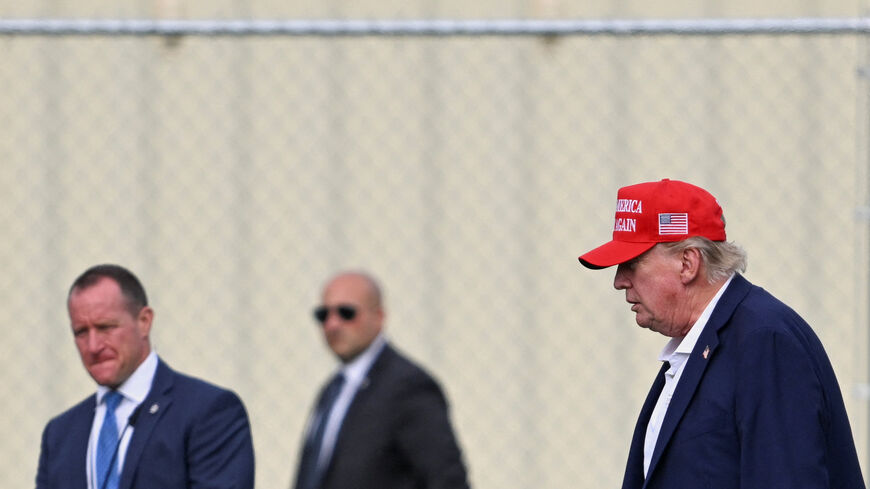
WASHINGTON, April 8 (Reuters) - U.S. President Donald Trump on Wednesday said talks on the Iran crisis would be held behind closed doors, and that "only one group of meaningful 'POINTS'" were acceptable to the United States, but gave no other details about the negotiations.

"These are the POINTS that are the basis on which we agreed to a CEASEFIRE. It is something that is reasonable, and can easily be dispensed with," he said in a social media post.

Trump separately told ABC News in an interview that he expects talks to begin on Friday and to move very quickly.

President Donald Trump takes questions as he speaks during a press conference in the James S. Brady Press Briefing Room at the White House.  REUTERS/Evan Vucci

Dilemma over crossings as fate of Hormuz ships remains uncertain

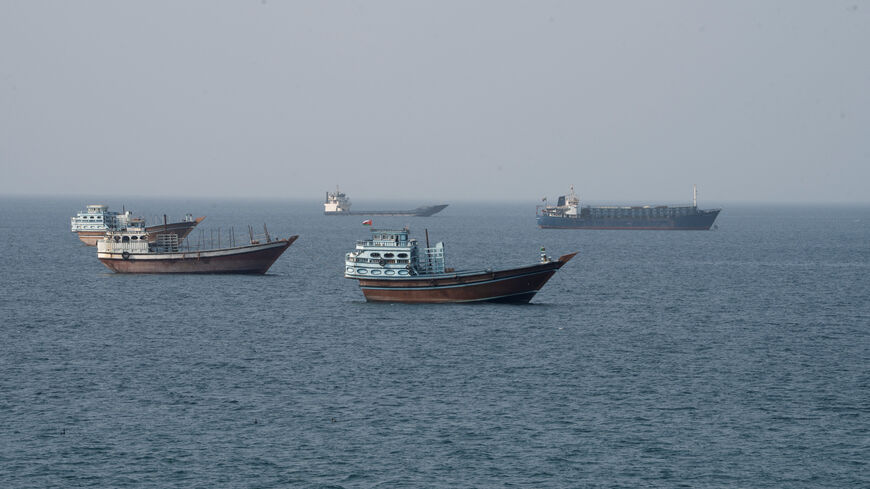
Only three ships risked crossing the Strait of Hormuz Wednesday, highlighting the extreme caution about using the key waterway even though both the US and Iran have said the strategic chokepoint would reopen.

- Who is taking the risk? -

Apart from the three ships which transited the strait after a two-week ceasefire in the Middle East war was announced overnight, only a handful of other vessels are on course to do the same, according to ship tracking website MarineTraffic.

Some 800 ships remain stuck in Gulf waters