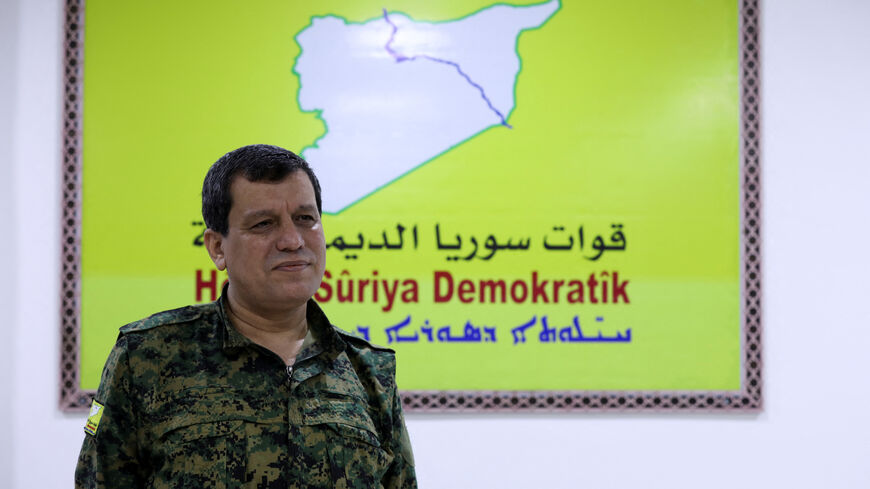
Ali Khamenei: ruthless revolutionary who held Iran in iron grip

Ali Khamenei suppressed dissent, kept up confrontation with the US and steered a path between competing political factions in over three-and-a-half decades as Iran's supreme leader.

But his domination of the Islamic republic came to an abrupt and bloody end on the morning of February 28, when he was killed along with several close family members in an Israeli air strike based on US intelligence on the first day of a five-week war.

Ali Khamenei ruled Iran for over three and a half decades

'Thought they'd never be caught': The strike that killed Iran's Khamenei

On Saturday, February 28, Tehran residents were embarking on the working week during the Islamic holy month of Ramadan, nervously anticipating celebrations for the Iranian New Year against the background of diplomatic efforts to stave off war with the US and Israel.

That morning, there was also activity around and inside the main government complex in Tehran just off Pasteur Street in the heart of the capital, which housed the residence and offices of then supreme leader Ali Khamenei.

Khamenei was killed in an Israeli strike based on US intelligence on February 28

As deportation protections end, Haitians confront fear and uncertainty  

By David Hood-Nuño, Maria Tsvetkova, Bianca Flowers and Kristina Cooke

MIAMI, July 1 (Reuters) - Uthy spent seven years in medical school training to become a doctor in Haiti. On the cusp of graduation, she fled the country three years ago to the U.S. with her husband, young child and a dream to return when it was safe.

Uthy, who holds Temporary Protected Status, now lives in fear that she or her family could be detained and deported at any time after the U.S. Supreme Court ruled last Thursday that the Trump administration could end TPS for Haitians and Syrians.

A pamphlet regarding haitian population in the U.S. sits on a table in Miami, Florida, U.S., June 28, 2026. REUTERS/Marco Bello

Iran warns of immediate response to any threat, cites US commitment to restrain Israel

DUBAI, July 1 (Reuters) - Iran will deliver an immediate and powerful response to any threat against its people or leadership, Iranian Foreign Minister Abbas Araqchi said in an X post on Wednesday.

"POTUS has committed the U.S. to muzzling its pets in Tel Aviv. If they ignore their master, Iran will school them," Araqchi said.

The U.S. and Iran held technical talks in Doha on Wednesday as they seek to agree on the flow of shipping through the Strait of Hormuz and secure a lasting ceasefire, a source with direct knowledge of the talks and an Iranian official said.

Iranian Foreign Minister Abbas Araqchi attends a press conference alongside Iraqi Foreign Minister Fuad Hussein (not pictured), in Baghdad, Iraq, June 28, 2026. REUTERS/Thaier Al-Sudani

US and Iran enter technical talks to secure peace deal, restart shipping

By Andrew Mills and Ahmed Elimam

DOHA/DUBAI, July 1 (Reuters) - The U.S. and Iran held technical talks in Doha on Wednesday as they seek to agree on the flow of shipping through the Strait of Hormuz and secure a lasting ceasefire, a source with direct knowledge of the talks and an Iranian official said.

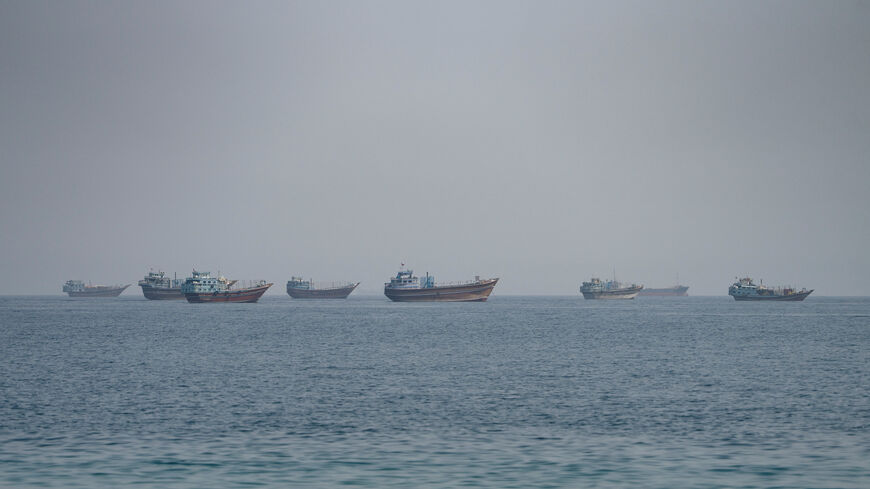
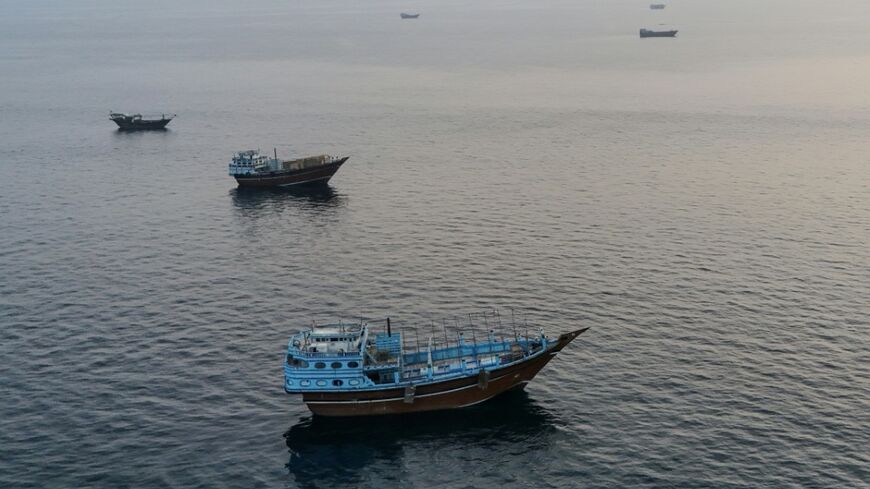
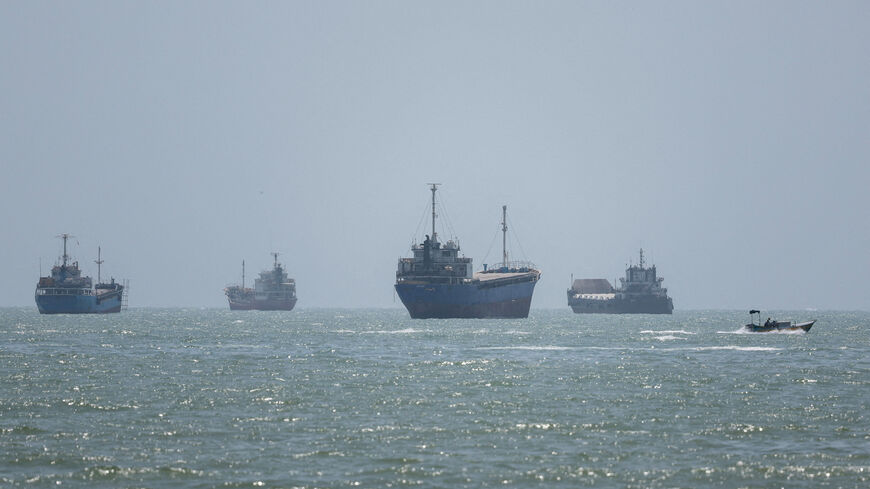
Vessels in the Strait of Hormuz near the beach of Bandar Abbas, Iran, June 30, 2026. Amirhosein Khorgooi/ISNA/via WANA (West Asia News Agency)via REUTERS

Next indirect US-Iran talks after Khamenei funeral: mediators

The next indirect US-Iran talks will come after the late Iranian supreme leader's funeral, mediators said Thursday, as diplomacy inches ahead on ending the Middle East war.

Following the foes' indirect discussions in Doha on Wednesday, US President Donald Trump as well as mediators Qatar and Pakistan offered signs that diplomacy was holding, despite exchanges of fire this week.

An interim deal was agreed to reopen the vital Strait of Hormuz and end hostilities, but major questions still need to be tackled in talks, including Iran's nuclear programme.

The sun sets behind the Doha skyline on June 29, 2026

Syria's Sharaa appoints lawmakers, paving way for new parliament to convene

By Feras Dalatey

July 1 (Reuters) - Syrian authorities announced the names of 70 lawmakers on Wednesday appointed to atransitional parliament by President Ahmed al-Sharaa, paving the way to convene the body next week more than eight months after the process of forming it began.

The 210-member chamber, two-thirds of which was chosen by regional electoral colleges last year, will wield limited power under a presidential ruling system established under Sharaa since he ousted Bashar al-Assad in 2024.

Syrian President Ahmed al-Sharaa speaks during a session at Antalya Diplomacy Forum in Antalya, Turkey, April 17, 2026. REUTERS/Umit Bektas

Iran insists on keeping control over Hormuz, senior Iranian sources say

By Parisa Hafezi, Jonathan Saul and Angus McDowall

DUBAI/LONDON, July 1 (Reuters) - Iran is determined to win international recognition of its control over the Strait of Hormuz and ability to levy fees on ships entering or leaving the Gulf even if it has to do so by force, two senior Iranian sources said.

A vessel at the Strait of Hormuz, as seen from Musandam, Oman, June 29, 2026. REUTERS/Stringer

Spain citizenship law for exiles' descendants triggers row over votes

By Victoria Waldersee and Corina Pons

July 1 (Reuters) - Spain's reparations law granting descendants of Spaniards the right to citizenship has sparked a heated political debate, with right-wing opposition figures accusing the government of trying to sway next year’s elections with new voters.

At least 544,722 people have so far been granted citizenship under the law passed in 2022, with 306,000 registering on the electoral roll, according to government data. Around 650,000 applications remain unprocessed.

FILE PHOTO: People queue to receive documentation as Spain's mass migrants regularisation process is set to start, in Hospitalet de Llobregat, near Barcelona, Spain, April 20, 2026. REUTERS/Albert Gea/File Photo

Analysis-NATO allies have grown silent on rights concerns in Turkey

By Jonathan Spicer

ANKARA, July 1 (Reuters) - Five years ago, the West risked a full-blown diplomatic crisis with NATO ally Turkey when 10 ambassadors called for the release of a man they saw as a political prisoner, prompting an angry President Tayyip Erdogan to order their expulsion.

After two frantic days in 2021, the sides stepped back from the brink with the U.S., French, German, Canadian and other envoys issuing conciliatory statements and Erdogan saying they would be more careful in the future.

And so they have been.

FILE PHOTO: Turkey's President Tayyip Erdogan speaks during a press conference at the NATO summit in The Hague, Netherlands June 25, 2025. REUTERS/Piroschka Van De Wouw/File Photo