Netanyahu to hold press conference on Thursday evening, his office says

JERUSALEM, March 19 (Reuters) - Israeli Prime Minister Benjamin Netanyahu will hold a press conference with the international media at 8:30 p.m. (1830 GMT), his office said in a statement.

It is Netanyahu's second press conference since the start of the U.S.-Israeli war on Iran on February 28.

(Reporting by Rami Ayyub)
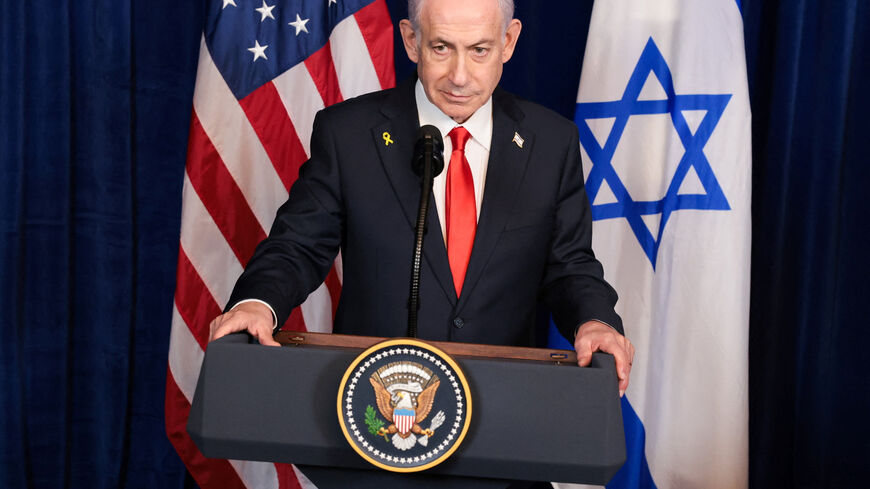
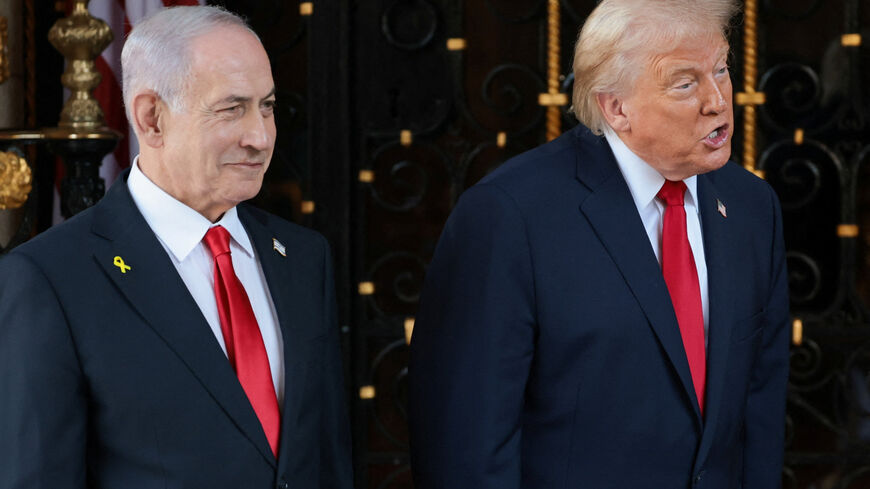
FILE PHOTO: Israeli Prime Minister Benjamin Netanyahu attends a press conference with U.S. President Donald Trump (not pictured) after meeting at Trump’s Mar-a-Lago club in Palm Beach, Florida, U.S., December 29, 2025. REUTERS/Jonathan Ernst/File Photo

IMF raises concern over global inflation, output over Iran war

The International Monetary Fund said on Thursday it was monitoring the impacts of the war in Iran on global inflation and output, but that no countries had so far approached it for emergency assistance related to the conflict.

"If prolonged, higher energy prices will lead to higher headline inflation," said IMF chief spokesperson Julie Kozack at a press briefing.

The IMF's spokesperson warned that food price inflation could be 'substantial' if fertilizer prices remain elevated for a long period due to the war

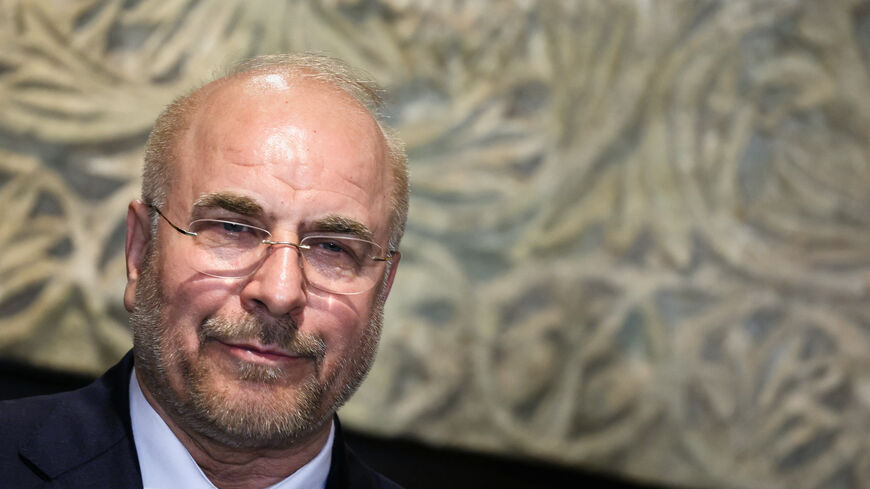
Iran's parliament speaker Qalibaf increasingly central in Tehran

By Parisa Hafezi

DUBAI, March 19 (Reuters) - Iran's parliament speaker, Mohammad Baqer Qalibaf, is taking a more central role as Israeli and U.S. strikes pick off the Islamic Republic's political leadership, making him a critical figure at a decisive moment.

With fewer of Iran's most prominent figures remaining, the former Revolutionary Guards commander, Tehran mayor, national police chief and presidential candidate is now a key node between the political, security and clerical elites.

FILE PHOTO: Iranian Parliament Speaker Mohammad Baqer Qalibaf looks on after a press conference with Lebanese Parliament Speaker Nabih Berri, in Beirut, Lebanon, October 12, 2024. REUTERS/Amr Abdallah Dalsh/File Photo

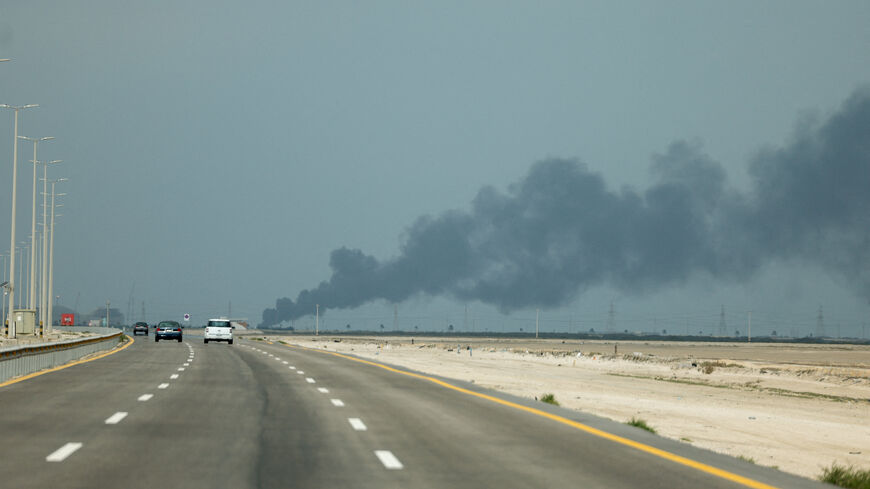
Factbox-US-Israeli war with Iran causes major oil, gas disruptions

March 19 (Reuters) - The U.S.-Israeli war on Iran and Tehran's attacks on Gulf neighbours have damaged major energy facilities and brought shipping through the Strait of Hormuz - which handles about 20% of global oil and liquefied natural gas flows - close to a halt.

With daily oil exports from the region down at least 60% from pre-war levels, tensions escalated on Wednesday when Israel struck Iran's South Pars gas field and Tehran retaliated with attacks on regional energy infrastructure.

Here are key energy disruptions so far:

IRAN

FILE PHOTO: Smoke billows from Saudi Aramco's Ras Tanura oil refinery after a reported Iranian drone strike, amid the U.S.-Israel conflict with Iran, in Ras Tanura, Saudi Arabia, March 2, 2026. REUTERS/Stringer/File Photo

Analysis-Iran war boosts Netanyahu, bruises Trump and Gulf states

By Samia Nakhoul and Rami Ayyub

DUBAI, March 19 (Reuters) - If the U.S.-Israeli war on Iran ended tomorrow, one verdict is already clear: Prime Minister Benjamin Netanyahu would walk away stronger, while President Donald Trump would be left to manage the shock to global markets and to Gulf allies who have borne the heaviest costs.

For Netanyahu, analysts say, the war has redrawn Israel's political map on his terms, pivoting attention away from Gaza and toward Iran, where national consensus is strongest and his security and economic credentials resonate most.

U.S. President Donald Trump speaks next to Israeli Prime Minister Benjamin Netanyahu upon arrival for meetings at Trump's Mar-a-Lago club in Palm Beach, Florida, U.S., December 29, 2025. REUTERS/Jonathan Ernst

U.S. and Israeli war aims in Iran are not the same, Gabbard says

By Erin Banco

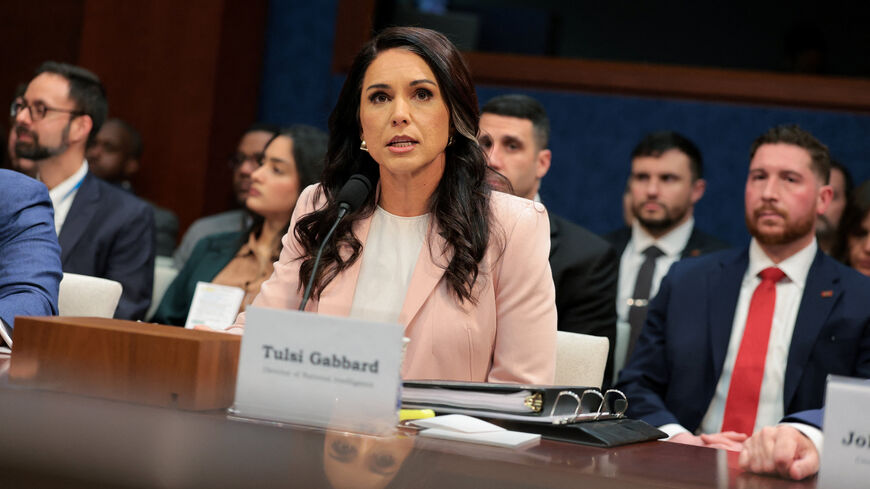
March 19 (Reuters) - Director of National Intelligence Tulsi Gabbard said Thursday during a hearing in front of the House intelligence committee that the American and Israeli objectives during the military campaign in Iran are not the same.

"The objectives that have been laid out by the president are different from the objectives that have been laid out by the Israeli government," Gabbard said.

Director of National Intelligence (DNI) Tulsi Gabbard testifies before a U.S. House Intelligence Committee hearing on worldwide threats, on Capitol Hill in Washington, D.C., U.S., March 19, 2026. REUTERS/Kylie Cooper

Despite Trump comments, Israeli officials say US knew of Iran gas field strike

JERUSALEM, March 19 (Reuters) - Israel's attack on an Iranian gas field on Wednesday was coordinated with the United States but will likely not be repeated, three Israeli officials said on Thursday, despite U.S. President Donald Trump saying he knew nothing about it.

The attack on Iran's South Pars gas field drew an Iranian aerial assault on energy infrastructure in Qatar and across the Middle East, marking the biggest escalation in the nearly three-week U.S.-Israeli war on Iran.

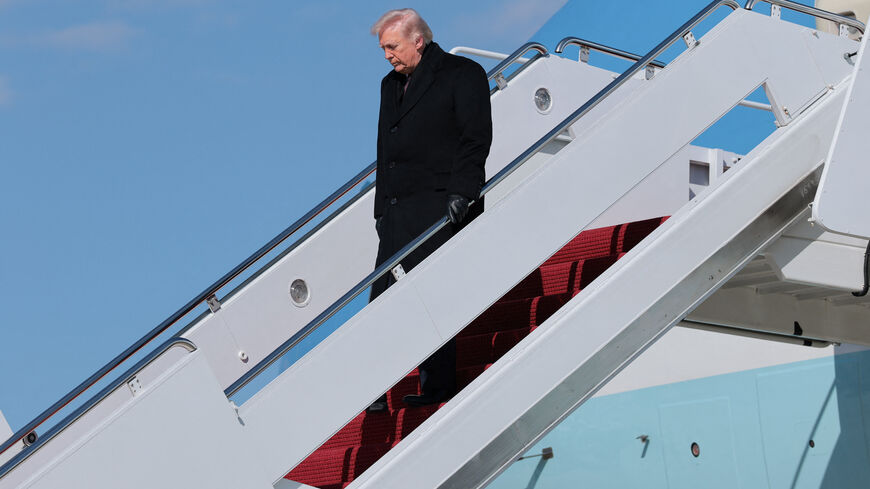
U.S. President Donald Trump disembarks Air Force One as he arrives at Joint Base Andrews, Maryland, U.S., March 18, 2026. REUTERS/Kylie Cooper

Italy, Germany and France offer help with Hormuz only after ceasefire

Six major international powers said Thursday they were ready "to contribute to" ensuring safe passage through the Strait of Hormuz, though three stressed that any initiative would take place post-ceasefire.

Britain, France, Germany, Italy, Japan and the Netherlands said Thursday they were ready "to contribute to appropriate efforts to ensure safe passage through the Strait of Hormuz".

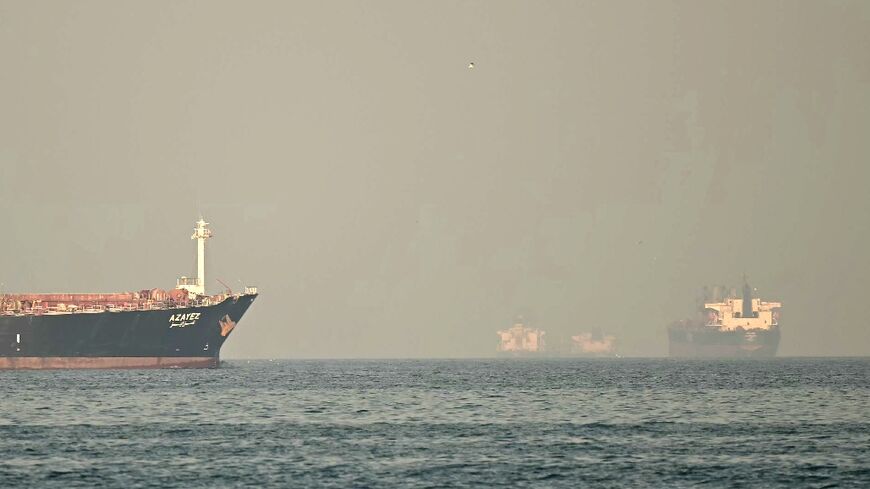
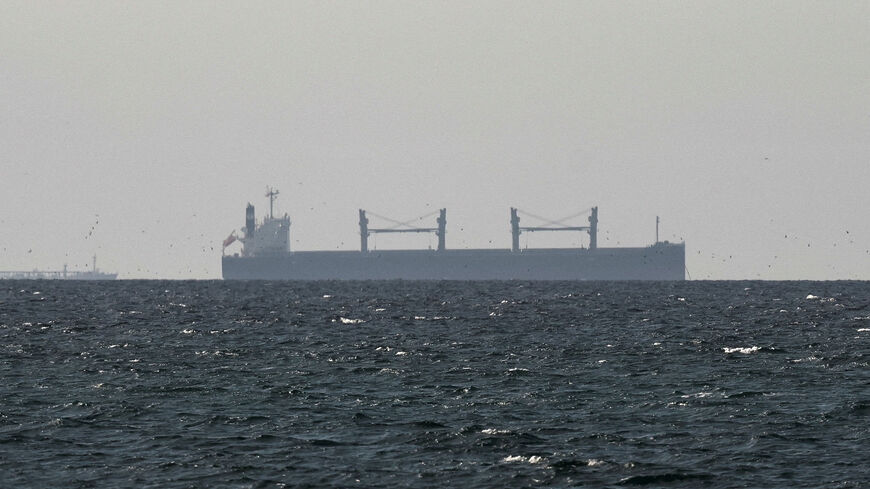
The Strait of Hormuz is the world's fifth busiest shipping lane

European countries and Japan: ready to help on Hormuz, stabilise energy markets

LONDON, March 19 (Reuters) - Leading nations in Europe said in a joint statement with Japan on Thursday they would take steps to stabilise energy markets and were ready to join "appropriate efforts" to ensure safe passage through the Strait of Hormuz.

The statement from Britain, France, Germany, Italy, the Netherlands and Japan, condemned attacks by Iran and called on it to halt its actions immediately. It also said they would work with certain energy producing nations to increase output and stabilise markets.

FILE PHOTO: A tanker sails in the Gulf, near the Strait of Hormuz, as seen from northern Ras al-Khaimah, near the border with Oman’s Musandam governance, amid the U.S.-Israeli conflict with Iran, in United Arab Emirates, March 11, 2026. REUTERS/Stringer/File Photo

France's Macron and India's Modi discuss need for de-escalation in the Middle East

PARIS, March 19 (Reuters) - French President Emmanuel Macron and Indian Prime Minister Narendra Modi discussed on Thursday the need to reduce tensions in the Middle East, they said on their respective X accounts, after Iran attacked energy infrastructure in the region following Israeli and U.S. attacks.

"India and France are working closely together to reduce tensions in the region and to keep diplomacy at the heart of our efforts for peace," Macron wrote on X, in response to earlier message posted by Modi.

(Reporting by Sudip Kar-Gupta;Editing by Inti Landauro)

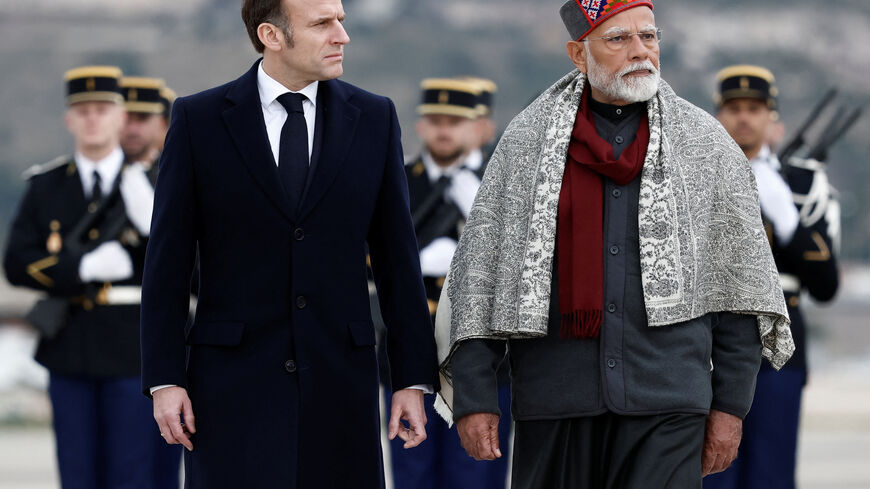
FILE PHOTO: French President Emmanuel Macron and Indian Prime Minister Narendra Modi attend a departure ceremony at Marseille Provence airport in Marignane as part of a visit in Marseille, France, February 12, 2025.  REUTERS/Christian Hartmann/Pool/ File Photo