Trump says Iran 'afraid' to admit it wants a deal

US President Donald Trump insisted Wednesday that Iran was taking part in peace talks, suggesting Tehran's denials were because Iranian negotiators fear being killed by their own side.

"They are negotiating, by the way, and they want to make a deal so badly. But they're afraid to say it, because they figure they'll be killed by their own people," Trump told a dinner for Republican members of Congress.

"They're also afraid they'll be killed by us."

The US leader's comments came after Iranian Foreign Minister Abbas Araghchi said that "we do not intend to negotiate".

US President Donald Trump speaks during the National Republican Congressional Committee's annual President's Dinner

Strait of Hormuz shipping blockade update

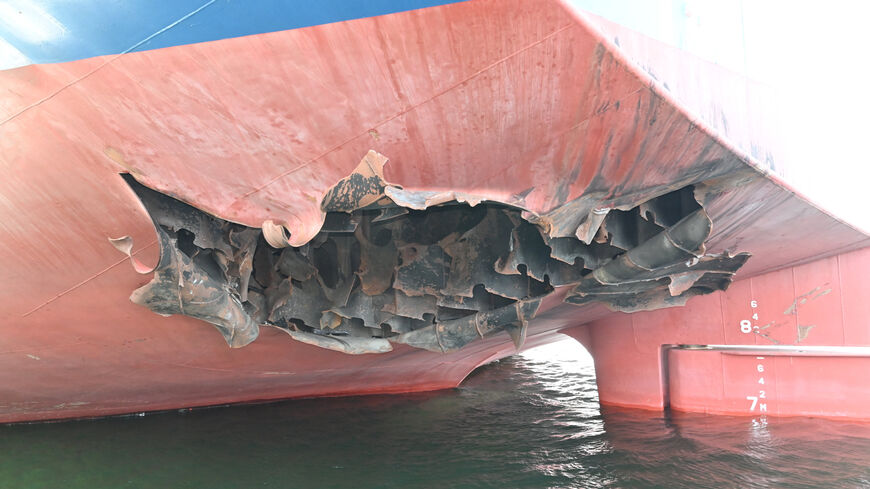
Here are the latest key facts about impacts from the blockage of the Strait of Hormuz, a crucial shipping route virtually paralysed by the Middle East war.

Around a fifth of global crude oil and liquefied natural gas (LNG) passes through the waterway in peacetime.

The war erupted on February 28 when the United States and Israel began bombing Iran, prompting Tehran to retaliate with strikes across the region and restrict access to the strait.

- LNG tankers U-turn -

A view of the Strait of Hormuz from the United Arab Emirates

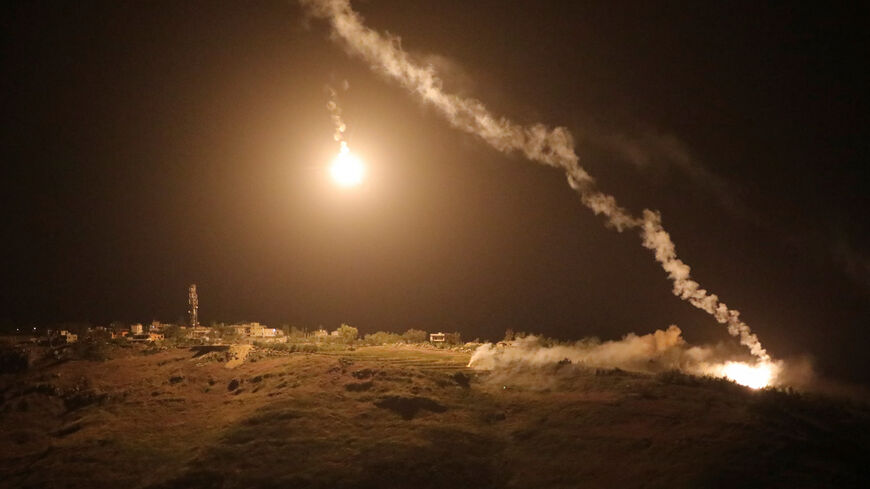
Trump eyes Iran deal, but no end in sight for Israel war in Lebanon

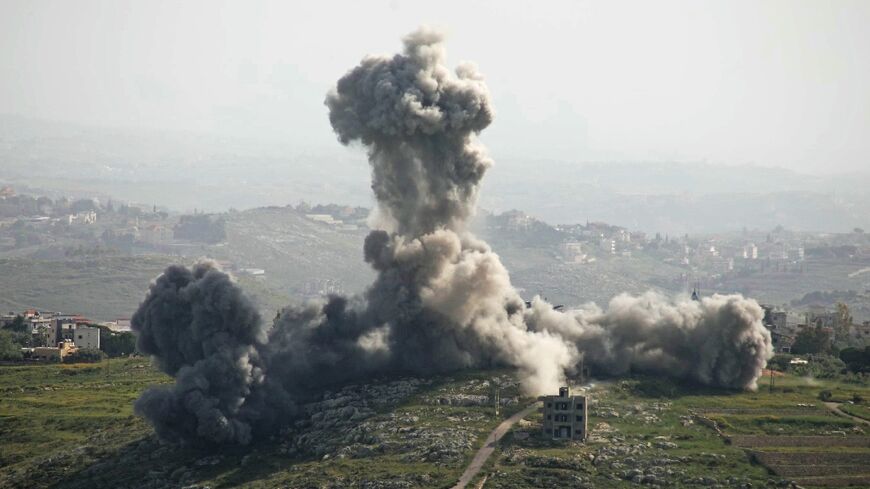
While Washington has signalled a diplomatic off-ramp from its war with Iran, Israel is preparing for the opposite in Lebanon -- an open-ended military campaign against Hezbollah.

Analysts said the message from Israel was a blunt one: Hezbollah must be disarmed, and that will take time.

"I suppose that (Israel's military) would like to have some more time to deal with Lebanon after the ceasefire with Iran," Orna Mizrahi, from the Tel Aviv-based Institute for National Security Studies, told AFP.

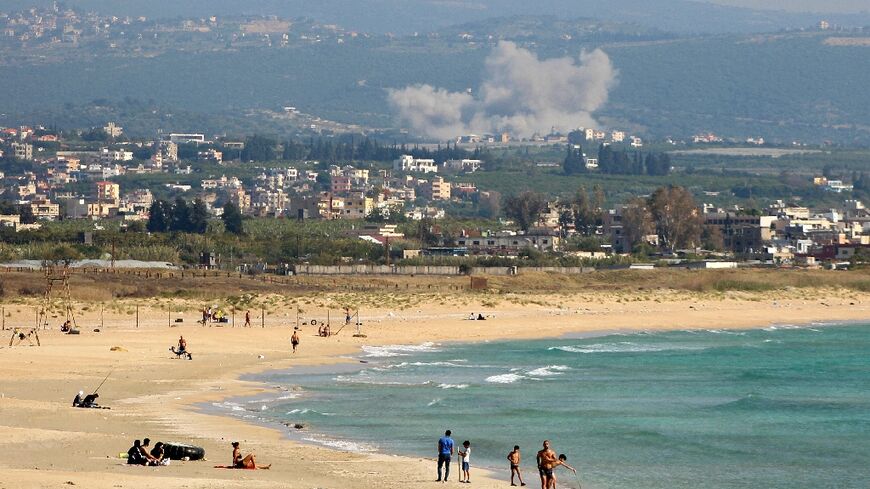
Analysts expect Israel to continue fighting Hezbollah in Lebanon even if the war in Iran ends

UN needs more funds to help people displaced by Mideast war, refugee chief says

By Amina Ismail and Andrew Gray

BRUSSELS, March 25 (Reuters) - The United Nations' refugee chief urged donors on Wednesday to provide more funds to manage the humanitarian fallout from the widening war in the Middle East, saying his agency had so far received less than 10% of the money it needs.

Thousands have been killed across the region and millions displaced in Iran and Lebanon since the United States and Israel launched strikes on Iran on February  28, prompting Tehran to retaliate with attacks on Israel, U.S. bases and Gulf states.

United Nations High Commissioner for Refugees Barham Salih speaks during an interview with Reuters in Brussels, Belgium March 25, 2026.  REUTERS/Yves Herman

Philippines says Strait of Hormuz must be reopened 'immediately'

Filipino Defence Minister Gilbert Teodoro, whose country has declared an energy emergency as a result of the Middle East war, said on Wednesday that the Strait of Hormuz must be reopened "immediately".

Iran has virtually closed the vital strait since the US-Israeli strikes that started the war on February 28, causing global oil and gas prices to soar.

On Tuesday, Philippines President Ferdinand Marcos declared a state of "national energy emergency," citing risks to the domestic fuel supply and energy stability created by the war in the Middle East.

The Philippines has declared an energy emergency as a result of the Middle East war

Israel evicts 11 Palestinian families in east Jerusalem

Israeli authorities evicted 11 Palestinian families from their homes in east Jerusalem on Wednesday, an AFP journalist reported, a move that settlers have increasingly used to occupy the vacated properties.

An AFP correspondent on the scene reported that civilians wearing high-visibility jackets were seen throwing mattresses, clothing, children's toys and other personal belongings of Palestinian families out of their homes.

Israeli rights group B'Tselem said Israeli forces had entered the Silwan neighbourhood to carry out the evictions.

An Israeli authority employee throws a sofa from the window of a Palestinian home during the evictions

U.N. chief names Arnault as personal envoy for Middle East war

By David Brunnstrom

March 25 (Reuters) - U.N. Secretary-General Antonio Guterres on Wednesday named veteran French diplomat Jean Arnault to be his personal envoy on the conflict in the Middle East, saying it was "out of control" and the "world is staring down the barrel of a wider war."

Guterres told reporters he had been in close contact with many in the region and around the world and that a number of initiatives for dialogue and peace were underway.

FILE PHOTO: United Nations Secretary-General Antonio Guterres gestures during a press conference, following an escalation between Hezbollah and Israel amid the U.S.-Israeli conflict with Iran, in Beirut, Lebanon, March 14, 2026. REUTERS/Mohamed Azakir/File Photo

Netanyahu seeks to avoid snap vote as Iran war gives no boost in polls

By Maayan Lubell and Steven Scheer

JERUSALEM, March 25 (Reuters) - Israeli Prime Minister Benjamin Netanyahu is racing to pass a state budget and stave off early elections he would likely lose, with the war in Iran so far doing little to improve his standing in the polls.

In the war's first days, Netanyahu's camp saw a chance for his right-wing coalition to capitalize on the opening salvo that killed Ayatollah Ali Khamenei by holding elections ahead of an expected October date, a source familiar with Netanyahu's political strategy said.

FILE PHOTO: Israeli Prime Minister Benjamin Netanyahu attends a memorial service held for Ran Gvili, an off-duty police officer who was killed fighting militants that had infiltrated Israel during the deadly October 7, 2023, attack by Hamas, and the last hostage recovered from Gaza, in Meitar, Israel, January 28, 2026. REUTERS/Amir Cohen/File Photo

Netanyahu seeks to avoid snap vote as Iran war gives no boost in polls

By Maayan Lubell and Steven Scheer

JERUSALEM, March 25 (Reuters) - Israeli Prime Minister Benjamin Netanyahu is racing to pass a state budget and stave off early elections he would likely lose, with the war in Iran so far doing little to improve his standing in the polls.

In the war's first days, Netanyahu's camp saw a chance for his right-wing coalition to capitalize on the opening salvo that killed Ayatollah Ali Khamenei by holding elections ahead of an expected October date, a source familiar with Netanyahu's political strategy said.

Israeli Prime Minister Benjamin Netanyahu speaks during a press conference, amid the U.S.-Israel conflict with Iran, in Jerusalem, March 19, 2026. REUTERS/Ronen Zvulun/Pool