War in the Middle East: latest developments

The latest developments in the Middle East war:

- Lebanon declares day of mourning -

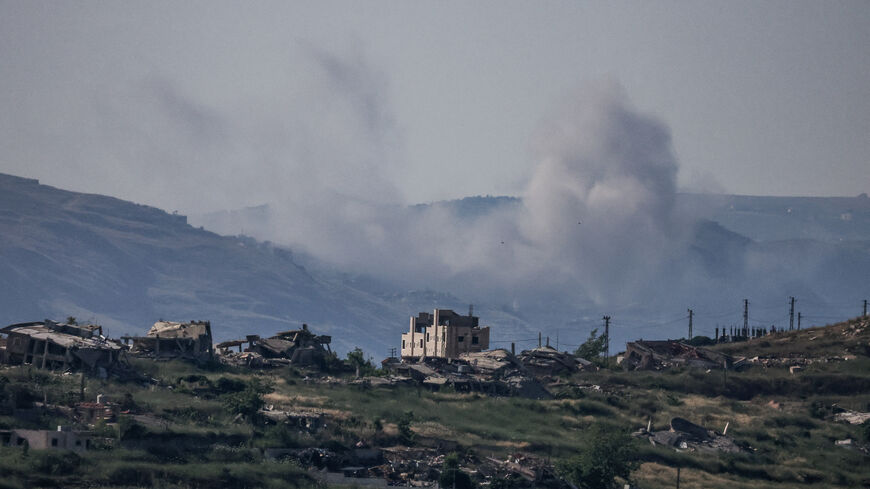
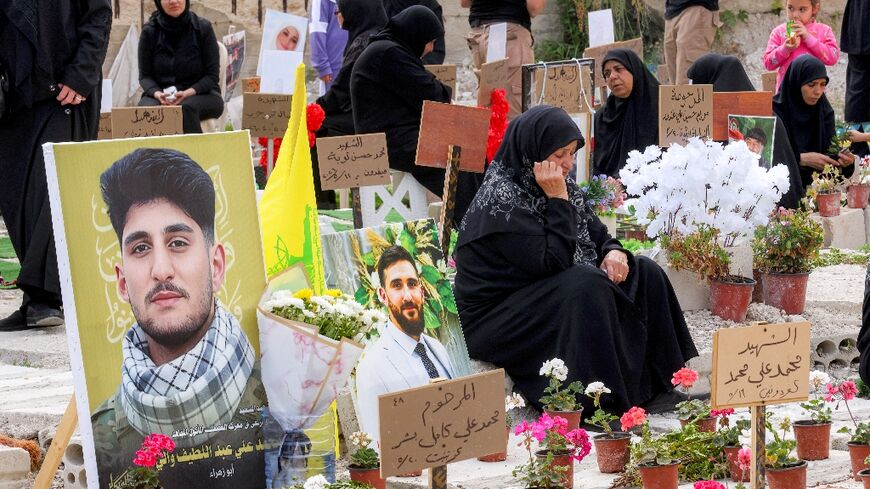
Lebanese Prime Minister Nawaf Salam declared Thursday a national day of mourning after Israeli strikes pummelled the country, killing at least 182 people and wounding 890, according to the health ministry.

The strikes were Israel's heaviest on neighboring Lebanon -- including in densely packed central Beirut -- since the Iran-backed militant group Hezbollah joined the war in early March.

- Hezbollah fires at Israel -

The Red Cross' head of delegation in Lebanon said Israeli strikes 'plunged the country into panic and chaos'

UK's Starmer heads to the Gulf to discuss reopening the Strait of Hormuz

LONDON, April 8 (Reuters) - British Prime Minister Keir Starmer will travel to the Gulf on Wednesday to hold talks with partners to ensure the Strait of Hormuz remains open permanently after a U.S.-Iran ceasefire, his office said.

"I welcome the ceasefire agreement reached overnight, which will bring a moment of relief to the region and the world," Starmer said in a statement.

"Together with our partners we must do all we can to support and sustain this ceasefire, turn it into a lasting agreement and re-open the Strait of Hormuz."

FILE PHOTO: British Prime Minister Keir Starmer gives an update on the situation in the Middle East at Downing Street Briefing Room, in London, Britain, March 05, 2026. Jaimi Joy/Pool via REUTERS/File Photo

Trump agrees to two-week ceasefire, Iran says safe passage through Hormuz possible

By Steve Holland, Parisa Hafezi, Enas Alashray, Ahmed Tolba and Jasper Ward

WASHINGTON/DUBAI/CAIRO, April 8 (Reuters) - U.S. President Donald Trump agreed to a two-week ceasefire with Iran on Tuesday, less than two hours before his deadline for Tehran to reopen the Strait of Hormuz or face devastating attacks on its civilian infrastructure.

The clock inside the Grand Central Terminal shows 8 PM (ET), the postponed deadline set by U.S. President Donald Trump for Iran to reopen the Strait of Hormuz or face widespread attacks on its civilian infrastructure, in New York City, U.S., April 7, 2026. REUTERS/Adam Gray

Trump says US will help with traffic buildup in Strait of Hormuz

April 8 (Reuters) - U.S. President Donald Trump said on Wednesday the United States will help with the traffic buildup in the Strait of Hormuz.

"We'll be loading up with supplies of all kinds, and just 'hangin' around' in order to make sure that everything goes well," Trump said.

"There will be lots of positive action! Big money will be made. Iran can start the reconstruction process," he also said.

FILE PHOTO: Cargo ships in the Gulf, near the Strait of Hormuz, as seen from northern Ras al-Khaimah, near the border with Oman’s Musandam governance, amid the U.S.-Israeli conflict with Iran, in United Arab Emirates, March 11, 2026. REUTERS/Stringer/File Photo

Middle East war: ceasefire reactions

The United States and Iran agreed to a two-week ceasefire, with both sides claiming victory.

Here are reactions from across the globe:

- Pakistan -

Pakistani Prime Minister Shehbaz Sharif, having earlier welcomed the ceasefire, said violations between the United States and Iran had already reported.

"I earnestly and sincerely urge all parties to exercise restraint and respect the ceasefire for two weeks, as agreed upon, so that diplomacy can take a lead role towards peaceful settlement of the conflict," Sharif said on X.

Iranians react after a ceasefire announcement at the Enqelab square in Tehran

Australia PM Albanese criticises Trump's rhetoric while welcoming ceasefire

By Alasdair Pal

SYDNEY, April 8 (Reuters) - Australian Prime Minister Anthony Albanese on Wednesday welcomed a ceasefire in the Middle East struck between the U.S., Israel and Iran, while criticising the rhetoric of President Donald Trump.

Trump agreed to a two-week ceasefire less than two hours before his deadline for Tehran to reopen the Strait of Hormuz or face devastating attacks on its civilian infrastructure.

FILE PHOTO: A pub-goer watches Australian Prime Minister Anthony Albanese deliver his address to the nation over the Iran crisis, on his phone at a pub in Sydney, Australia, April 1, 2026. REUTERS/Hollie Adams/File Photo

Trump says US won "total and complete victory" after ceasefire deal with Iran, AFP reports

April 7 (Reuters) - U.S. President Donald Trump told AFP on Tuesday that the United States had won a "total and complete victory" after agreeing to a two-week ceasefire deal with Iran.

"Total and complete victory. 100 percent. No question about it," Trump told AFP in the brief call when asked if he was claiming victory with the ceasefire.

(Reporting by Anusha Shah in Bengaluru; Editing by Christian Schmollinger)

U.S. President Donald Trump leaves following a press conference in the James S. Brady Press Briefing Room at the White House in Washington, D.C., U.S., April 6, 2026. REUTERS/Evan Vucci

Netanyahu backs Iran ceasefire, says Lebanon not included, Israeli media says

April 8 (Reuters) - Israel's Prime Minister Benjamin Netanyahu said the country supported U.S. President Donald Trump's decision to suspend attacks against Iran for two weeks but said the ceasefire does not include Lebanon, Israeli media reported on Wednesday.

(Reporting by Enas Alashray and Ahmed Tolba; Editing by Christian Schmollinger)

FILE PHOTO: Israeli Prime Minister Benjamin Netanyahu speaks during a press conference, amid the U.S.-Israel conflict with Iran, in Jerusalem, March 19, 2026. REUTERS/Ronen Zvulun/Pool/File Photo

Trump to AFP: Iran deal 'total and complete victory' for US

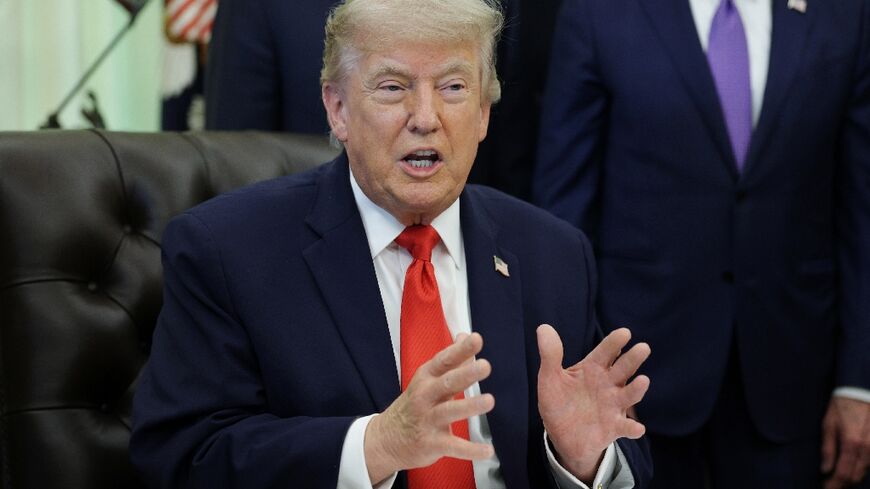
President Donald Trump told AFP on Tuesday that the United States had won a "total and complete victory" after agreeing a two-week ceasefire deal with Iran.

In a telephone call, Trump said he believed China had persuaded Iran to negotiate, and said Tehran's enriched uranium would be "perfectly taken care of."

The US leader appeared bullish on the truce with Iran, despite Tehran also casting it as a win for its side, and amid questions over exactly what both sides had agreed on.

US President Donald Trump said Iran would face 'complete demolition' of its civilian infrastructure if it did not accept a deal

Oil prices plunge, stocks surge on US-Iran ceasefire

Oil and gas prices plunged, stock markets soared and the dollar retreated Wednesday after the United States and Iran agreed to a temporary ceasefire that could lead to the Strait of Hormuz reopening.

"A wave of relief has hit financial markets after threats of a devastating escalation of the war were replaced by a temporary truce," said Susannah Streeter, chief investment strategist at Wealth Club.

The most widely traded oil contracts fell some 15 percent to around $95 a barrel, after more than a month of conflict that killed thousands and hammered global markets.

Iranians welcomed news of the US-Iran ceasefire, which has seen oil prices slump and stocks rocket