Yemen civilian deaths double since UN monitors removed: NGO

Civilian deaths and injuries in Yemen's civil war have almost doubled since UN human rights monitors were controversially removed in October, a non-governmental organisation said on Thursday.

The ejection of monitors had opened the door to "unchecked, horrific violations", the Norwegian Refugee Council said, urging their reinstatement.

It said 823 civilians were killed or injured in the four months before the end of monitoring, and 1,535 in the four months after their departure.
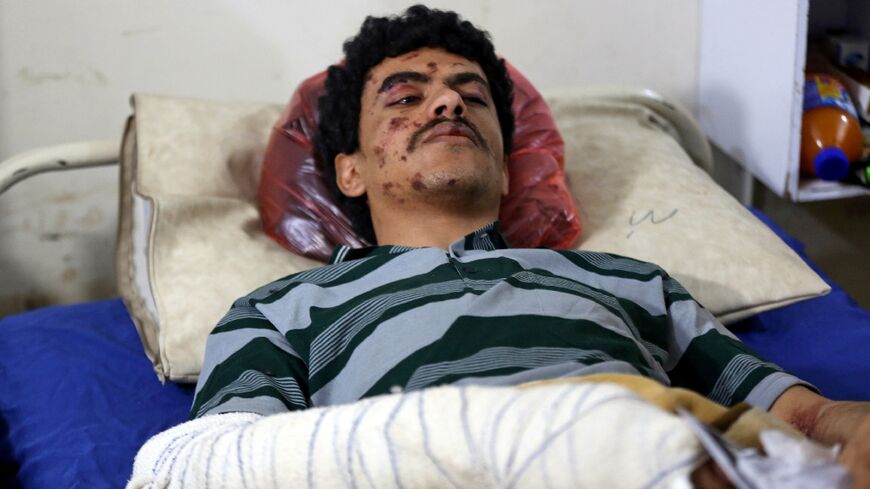
At least 70 people died in an attack on a prison in Yemen in January

Prince William makes climate-focused visit to UAE

Britain's Prince William visited an Abu Dhabi mangrove park at the start of a climate-focused visit to the United Arab Emirates on Thursday.

The duke of Cambridge will also learn about efforts to fight the illegal wildlife trade and will tour Dubai's Expo site on his first official visit to the wealthy Gulf state.

"Excited to be arriving in Dubai," he tweeted on Wednesday, along with a picture taken from an aircraft window.

Saudi coffee legacy percolates through the generations

For Farah al-Malki, growing coffee plants in Saudi Arabia's southwestern region of Jizan is more than just a profession. It is a family tradition passed down from generation to generation.

The 90-year-old patriarch has a long history with coffee, which spread from Ethiopia to Yemen and then to the rest of the Middle East around the 15th century.

"My father inherited it from his grandfathers, and I took over and passed it down to my sons and then on to my grandchildren," Malki told AFP, as he watched his male relatives prune trees.

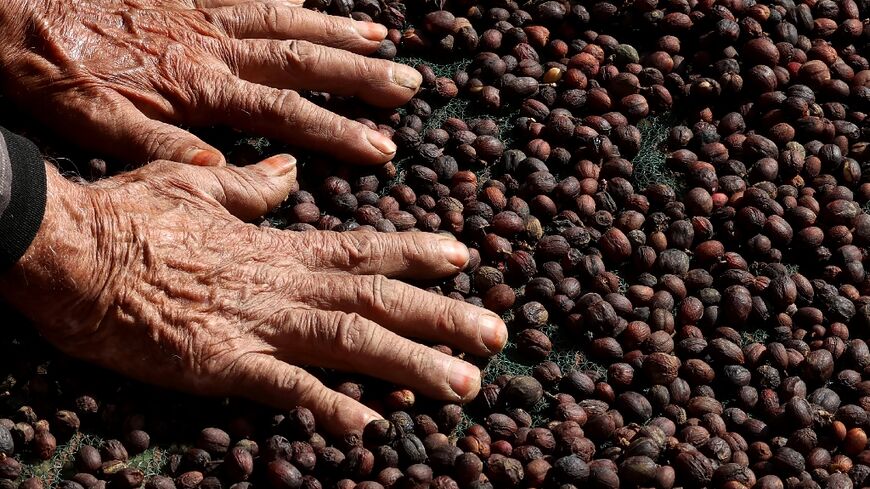
Saudi farmer Farah al-Malki, 90, checks his Khawlani coffee beans

In violence-shattered central Mali, victims recount their lives

Some are men of arms, who have taken up a gun out of need or for a cause. Others are just ordinary civilians, struggling to survive from one day to the next and make sense of the mayhem.

These are the people of central Mali, which in 2015 spiralled into jihadist violence, ethnic feuds and tit-for-tat killings.

Over 18 months, AFP interviewed eight individuals who come from very different backgrounds, yet who have all experienced the region's chapter of horror.

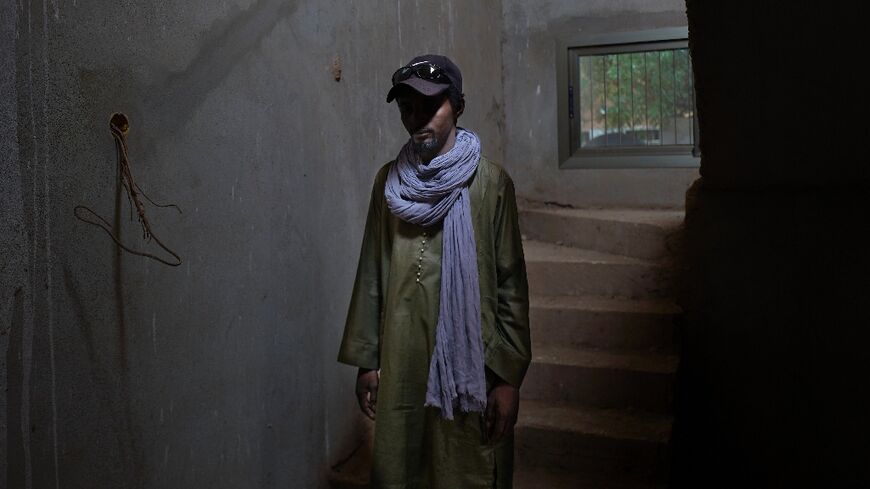
A life in the shadows: This man, who is anonymous, worked for eight months for the jihadists and then fled to a refugee camp in Mauritania. When he was photographed by AFP, he was hiding in a building that was under construction

Sudan arrests leading anti-coup bloc figures

Sudanese security agents on Wednesday arrested two leading figures including an ex-minister from the opposition Forces for Freedom and Change (FFC), the civilian group driving protests against last year's military coup.

The men are the latest in a long line of activists detained since the October 25 military takeover led by army chief Abdel Fattah al-Burhan, in which the civilian leadership and FFC figures were ousted.

Tunisian judges strike after president scraps watchdog

Tunisian judges on Wednesday started a widely observed nationwide strike, days after President Kais Saied announced he would dissolve a key judicial watchdog.

Saied on the weekend moved to scrap the Supreme Judicial Council (CSM), accusing it of blocking politically sensitive investigations and being influenced by his nemesis, the Islamist-inspired Ennahdha party.

His move against the CSM -- after he sacked the government and froze parliament in July then moved to rule by decree -- has sparked condemnation from world powers and rights groups.

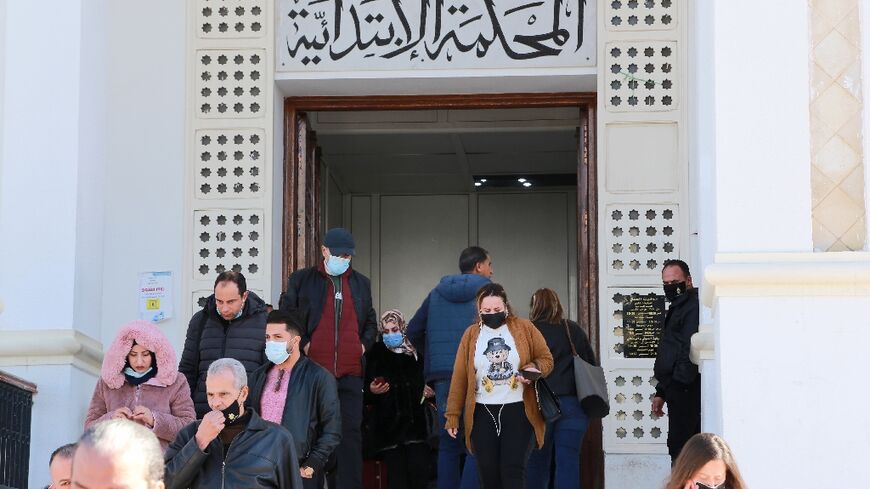
Tunisian citizens and lawyers leave a court in the governorate of Ariana after the announcement of the judges' strike

UN panel wraps up after Iraq pays $52.4 bn for Kuwait invasion

A UN commission set up to obtain reparations from Iraq over the country's 1990 invasion of Kuwait submitted its final report in Geneva on Wednesday after paying out $52.4 billion to the small Gulf state.

Set up in 1991 by UN Security Council Resolution 692 to manage financial compensation owed by Iraq to Kuwait, the commission raised the funds through a five percent tax on sales of oil and other petroleum products.

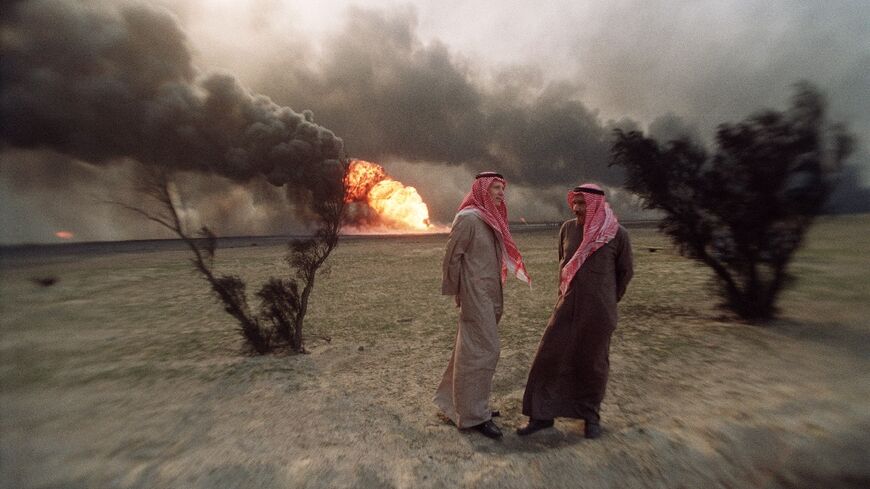
Kuwaiti oil wells were set ablaze by retreating Iraqi troops in March 1991

Iran Guards unveil missile said to put Israel in reach

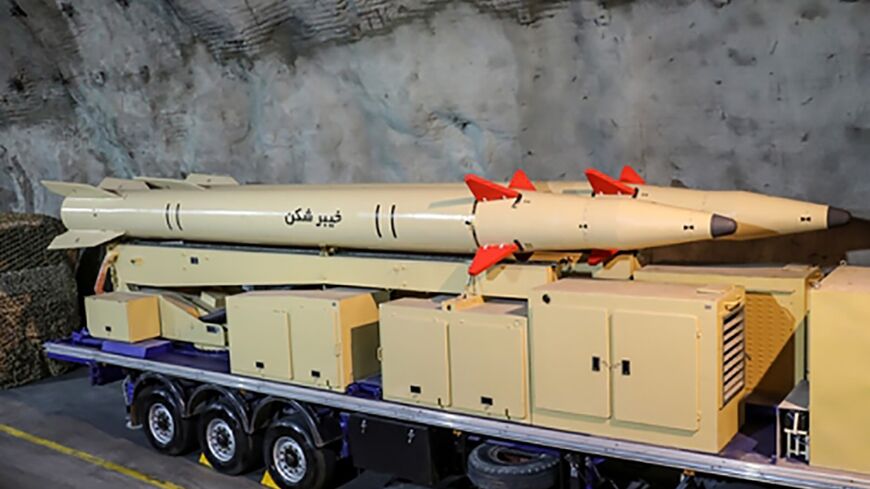
Iran's Islamic Revolutionary Guard Corps on Wednesday announced the development of a surface-to-surface missile whose stated range would put arch foe Israel within reach.

The Guards' Sepahnews website said the missile was named the Khaybarchekan after a victorious battle fought by the Prophet Mohammed in the seventh century.

Armed forces chief of staff Mohammad Bagheri described it as a strategic, "long-range" missile.

A handout photo made available on February 9, 2022 by the official website of Iran's Islamic Revolutionary Guard Corps shows surface-to-surface missiles displayed in an undisclosed location

Captured jihadists in Mozambique say insurgency 'weakening'

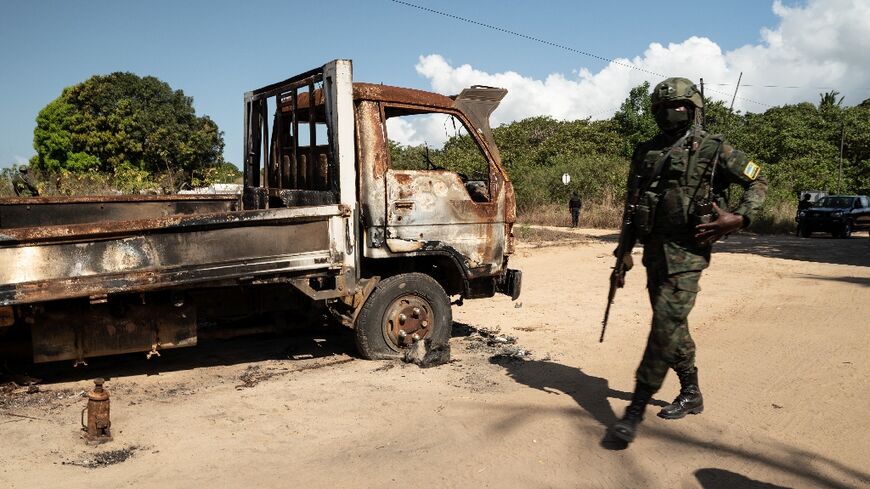
Rare interviews with captured members of a jihadist group terrorising northern Mozambique point to low morale in their ranks and to an insurgency that is losing steam in the face of Rwandan forces.

The Rwandan army late last month let journalists interview some of the fighters that it had captured since launching operations in the troubled region last July.

Linked to the so-called Islamic State, the extremist group has rampaged across towns and villages in northern Mozambique since 2017 with the goal of establishing a hardline caliphate.

A Rwandan soldier walks in front of a burned-out truck near Palma last September

Godsend or 'ghetto': Syrian migrants flock to small Cyprus town

On the Mediterranean island of Cyprus, grappling with an influx of asylum seekers, the small town of Chlorakas has become the centre of tensions. One-quarter of its residents are refugees.

While local authorities talk of "ghettoization" and seek to move some of them, many of the newcomers renting flats there refuse to leave, saying they have nowhere else to go.

The Cypriot government says the divided country has the highest number of first-time asylum applications in the European Union per capita, accusing Turkey of sending many across the UN-controlled buffer zone.

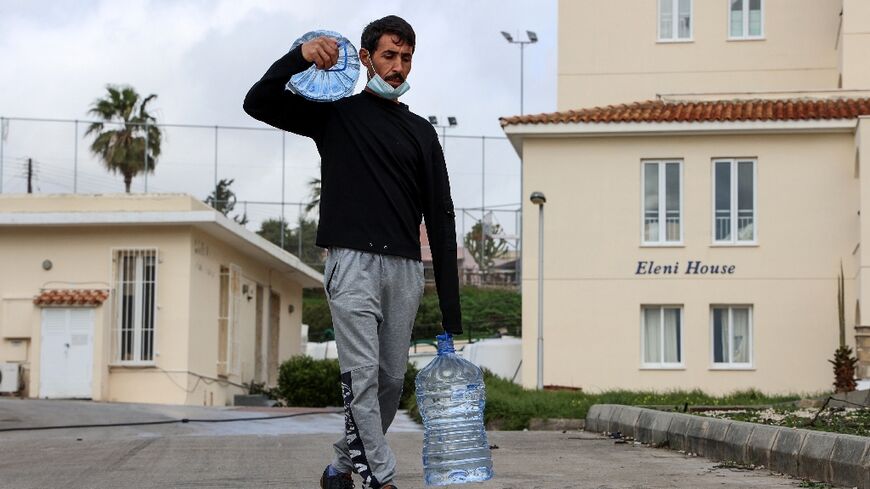
Around 700 refugees live in the Saint Nicolas residential complex on the outskirts of Chlorakas, near the Cypriot city of Paphos. Local authorities have declared the site unfit for habitation and have cut off the water supply to 250 apartments