Iran nuclear deal 'close', Tehran frees captives as obstacles narrow

Washington said Wednesday it was "close" to a deal with Iran on reviving a 2015 pact that saw Western powers provide sanctions relief in exchange for curbs on Tehran's nuclear programme, the latest sign of advancement following prolonged deadlock.

Days after Russian demands seemed to jeopardize talks in Vienna over restoring the pact, this week has seen multiple positive signals that an accord may at last be within reach, including the release of two British Iranians Wednesday after years of detention in Iran, and word that outstanding issues have narrowed to just two.
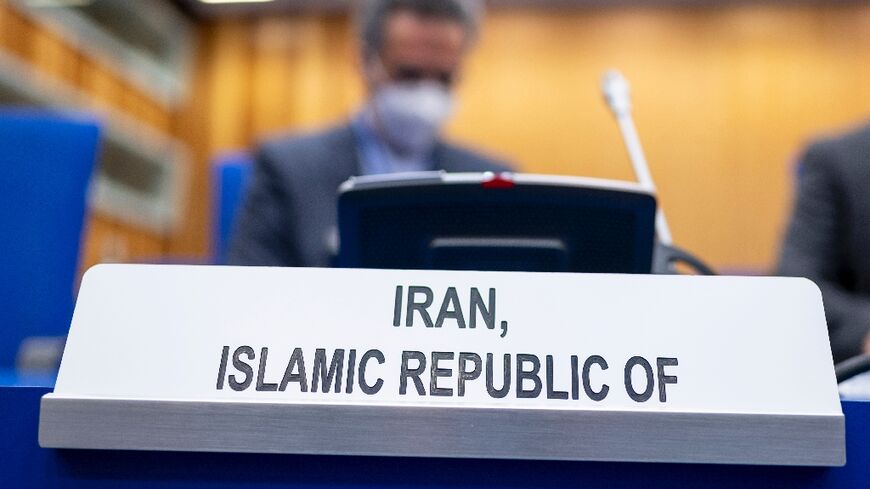
The United States and Iran -- whose seat at negotiations in Vienna is seen here -- are 'close' to a deal on reviving a critical nuclear pact, the State Department said on March 16, 2022 after months of intense negotiations

US, Iran 'close to deal' on reviving nuclear pact: State Dept

The United States and Iran are near to reaching an agreement over reviving the 2015 deal on limiting Tehran's nuclear program, the State Department said Wednesday.

"We are close to a possible deal, but we're not there yet," said State Department spokesman Ned Price. "We do think the remaining issues can be bridged."

Tunisians snub poll on reforms as economic crisis bites

Tunisian President Kais Saied, who last year grabbed power in what critics labelled a coup, has now asked voters for their political views -- but days before the online poll closes, fewer than six percent had taken part.

Most people in the small North African country are more concerned with food shortages, unemployment and financial woes than in joining in the process to help rewrite the constitution.

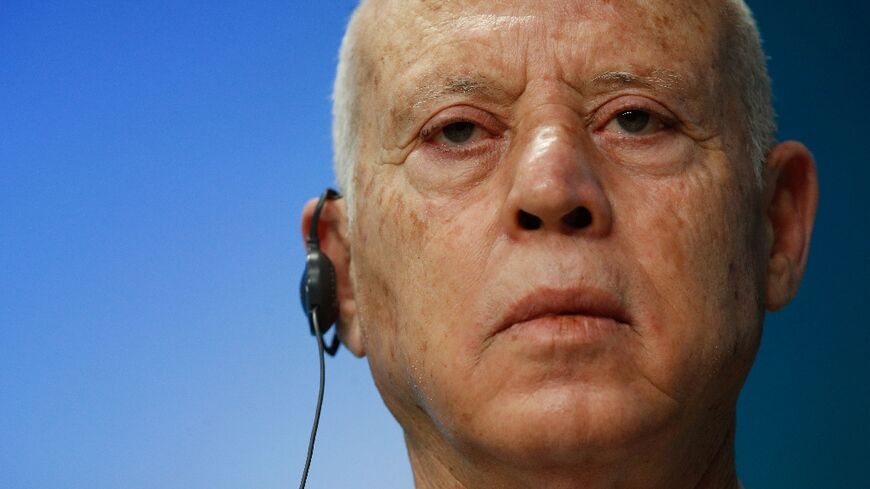
Tunisia's President Kais Saied, shown in Brussels on February 18, 2022

British-Iranians reunited with family in UK after Tehran release

Two British-Iranians imprisoned for years in Iran were reunited with their families in the early hours of Thursday, tears of joy and long hugs marking the culmination of years of campaigning and earlier false hopes.

Their release on Wednesday came as the British government confirmed it had paid a longstanding debt over a cancelled defence contract, and as major powers inch closer to renewing the Iran nuclear deal in Vienna.

Nazanin Zaghari-Ratcliffe (L) and Anoosheh Ashoori wave after landing at RAF Brize Norton

Two UK-Iranian nationals released from detention

Two dual UK-Iranian nationals have been released from custody, the authorities in Tehran said on Wednesday, ending a lengthy ordeal after years of diplomatic wrangling between the two countries over a cancelled defence deal.

Iranian state broadcaster IRIB said Nazanin Zaghari-Ratcliffe had been "handed over" to the UK authorities, while the judiciary also confirmed the release of Anoosheh Ashoori.

UK-Iranian dual national Nazanin Zaghari-Ratcliffe has been held since 2016 but has now been handed over to the UK authorities, Iranian state TV said

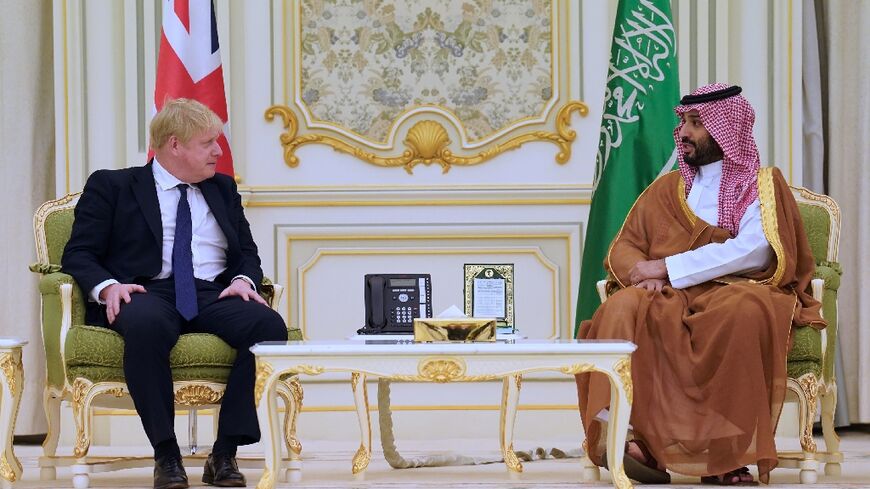
British PM meets Saudi crown prince as Ukraine war roils oil prices

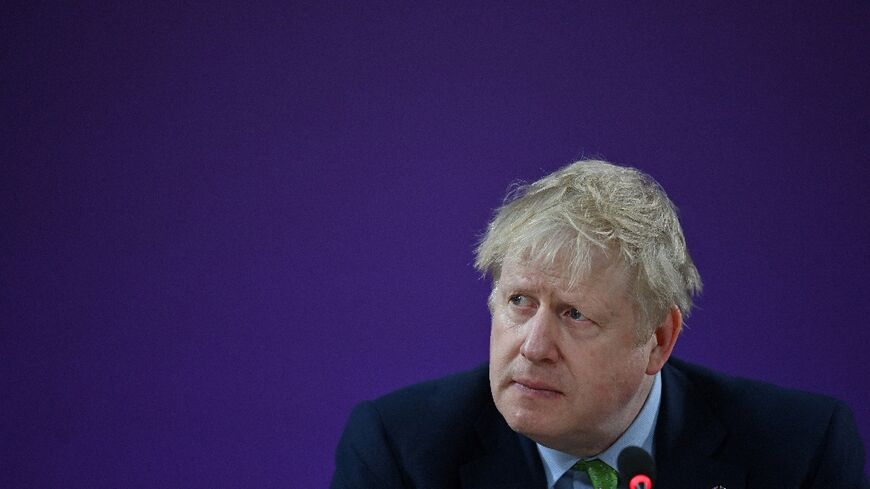
British Prime Minister Boris Johnson met with oil-rich Saudi Arabia's de facto ruler Crown Prince Mohammed bin Salman to lobby for higher production on Wednesday after Russia's invasion of Ukraine sent markets into turmoil.

Johnson, one of the few Western leaders to visit Riyadh since the 2018 murder of journalist Jamal Khashoggi in the Saudi consulate in Istanbul, said he had a "very productive conversation" with Prince Mohammed, but did not announce any concessions from his hosts.

British Prime Minister Boris Johnson is welcomed by Saudi Arabia's Crown Prince Mohammed bin Salman

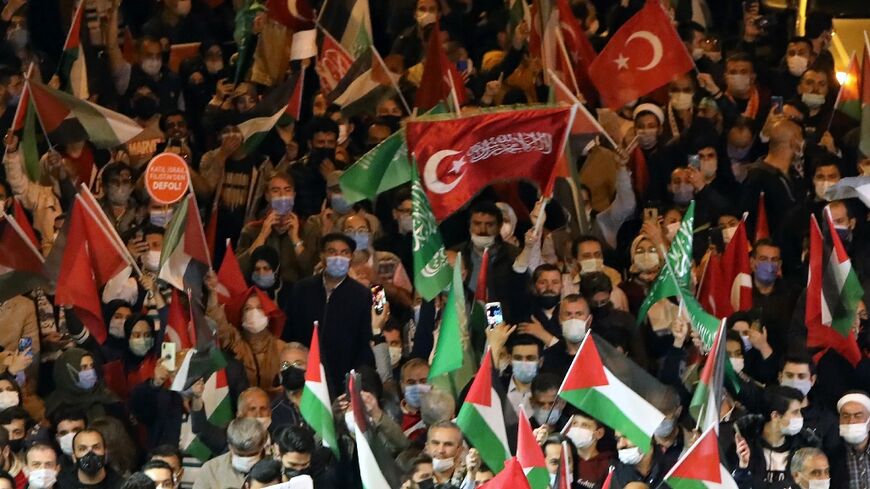
Hamas faces risk, opportunity from warming Israel-Turkey ties

A diplomatic thaw between Israel and Turkey has created challenges for Palestinian Islamist group Hamas, which counts on Ankara's support, but could also offer it a more "trustworthy" middleman to deal with the Jewish state, experts say.

With Turkey's ties to Israel effectively broken for more than a decade, President Recep Tayyip Erdogan has fostered a close relationship with Hamas, which took power in the Gaza Strip in 2007.

Protesters hold Palestinian and Turkish national flags, as well as flags of the Islamist group Hamas, during a protest in Turkey against Israel's deadly air strikes on Gaza last May

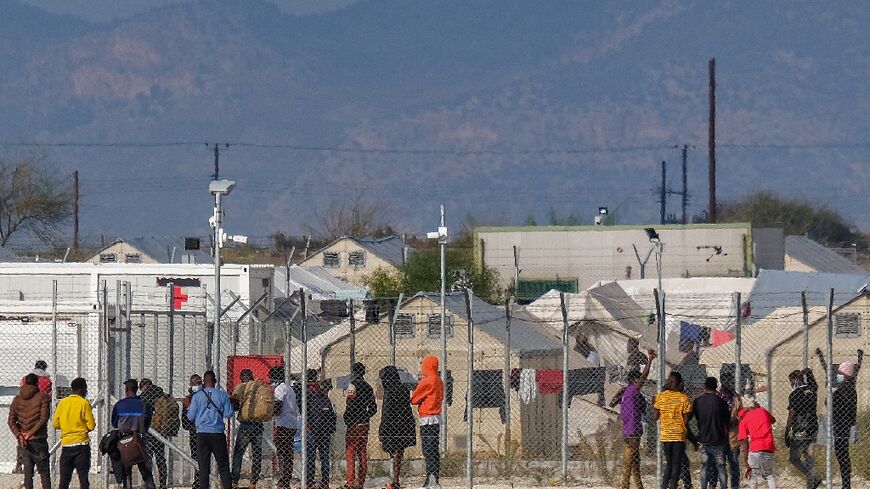
Migrant minors face misery in asylum hub Cyprus

Hundreds of unaccompanied foreign minors in the migrant hub of Cyprus, one of the smallest EU member states, have tales of misery to tell in their struggle to start a new life.

Chronic overcrowding, woeful bathroom facilities and reports of meagre food rations in the Pournara camp for migrants on the edge of the capital Nicosia resulted in a scathing report last week by Cypriot children's rights commissioner Despo Michaelidou.

Migrants at the Pournara camp on the outskirts of the Cypriot capital Nicosia

UK PM heads to Saudi, UAE for talks on oil, Russia

Saudi Arabia and the United Arab Emirates have a crucial role to play in taming global oil markets after Russia's invasion of Ukraine, UK Prime Minister Boris Johnson said on Tuesday as he jetted to the Gulf for talks.

Johnson is due to meet crown princes Mohammed bin Zayed and Mohammed bin Salman in Abu Dhabi and Riyadh on Wednesday, as part of his drive to help wean the West off a dependency on Russian oil.

The visit to Saudi Arabia in particular is controversial, after outrage from human rights groups at the mass execution last Saturday of 81 people.

UK Prime Minister Boris Johnson is hoping to persuade Saudi Arabia to increase oil production to help lower global prices, as Western sanctions bite on Russia

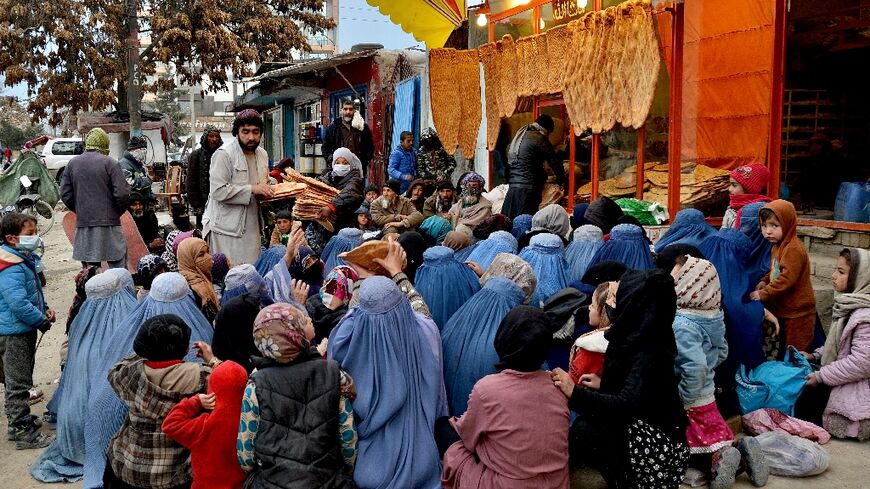
Food security worsens in Afghanistan as wages fall: World Bank

Food security in Afghanistan has deteriorated sharply since the Taliban took power in August, while wages have fallen "dramatically" for more than two-thirds of workers, a World Bank survey said Tuesday.

The report found 70 percent of the households surveyed said they were unable to meet their basic needs for food and other essentials, twice as many as in a previous survey conducted in May 2021.

There also was a "significant" decrease in both the quality and quantity of food consumed.

A World Bank survey found 70 percent of households in Afghanistan were not able to meet their basic needs for food and other essentials