Iran to lay to rest cleric stabbed to death by suspected jihadist

Iran held a memorial service Wednesday for a Shiite Muslim cleric stabbed to death a day earlier by a suspected Sunni extremist in the revered Imam Reza shrine in the northeastern city of Mashhad.

The chief suspect in the bloody attack was identified as Abdolatif Moradi, 21, an ethnic Uzbek who had entered Iran illegally via the Pakistani border a year ago, the Tasnim news agency reported.
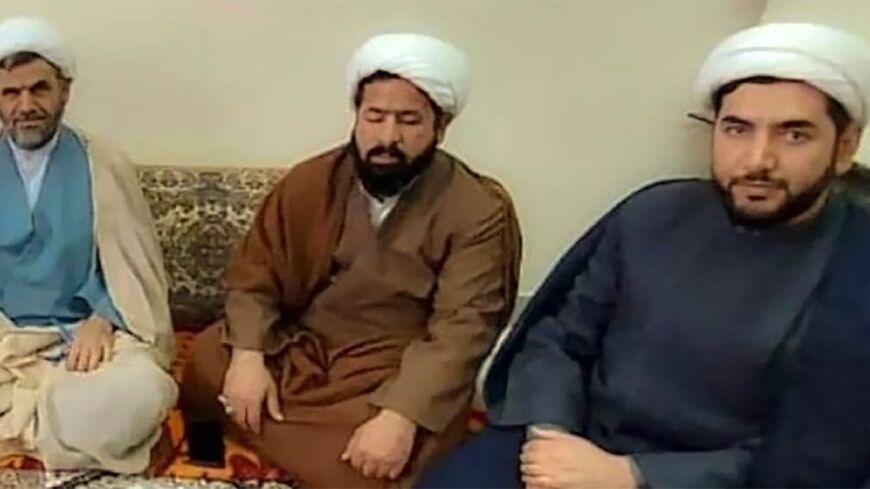
This handout picture from Fars news agency shows an undated photograph of (L to R) Iranian Shiite Muslim clerics Mohammad Aslani, who was killed, and the two men wounded, identified as Pakdaman and Daraei, in Mashhad

Why are there fears in Jerusalem during Ramadan?

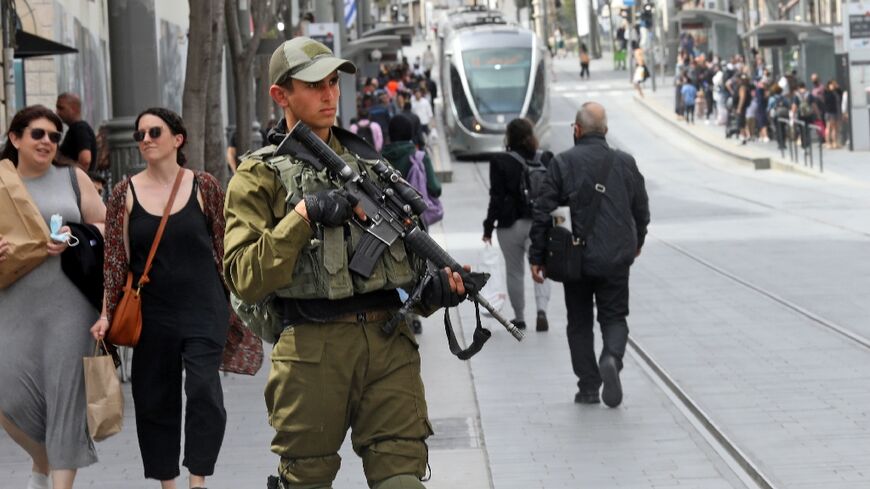
After 11 lives were lost in a spate of attacks, some linked to the Islamic State group, Israel placed its forces on high alert for Ramadan, which began last weekend.

Why has the Jewish state stepped up security for the Muslim holy month of fasting?

- Why is Jerusalem important?

Every evening during Ramadan, thousands of Muslims gather for prayers at Al-Aqsa mosque in east Jerusalem.

Al-Aqsa -- known by Jews as the Temple Mount -- is located in the Old City in mainly Palestinian east Jerusalem.

Israel has stepped up security for Ramadan

Israel's Bennett loses majority after MP quits coalition

A key member of Israeli Prime Minister Naftali Bennett's Yamina party said Wednesday she was quitting his coalition government, in a surprise move that leaves him without a parliamentary majority.

Idit Silman's announcement left Bennett's coalition, an alliance of parties ranging from the Jewish right and Israeli doves to an Arab Muslim party, with 60 seats -- the same as the opposition.

A man holds up a sign reading in English "[Israeli Prime Minister Naftali] Bennett resign now" during an anti-government protest by Israeli right-wing supporters in Jerusalem

Syria explosive remnants kill nearly 30 in a month: monitor

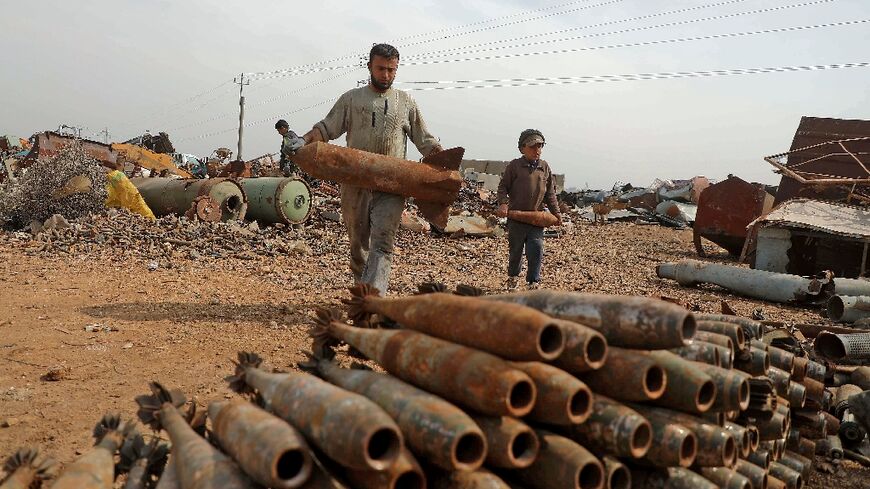
Explosive remnants of Syria's war killed nearly 30 civilians, including more than a dozen children, last month, a war monitoring group said Wednesday.

The Britain-based Syrian Observatory for Human Rights said "29 civilians, including 12 children, died from explosive remnants in March" and that another 29 were wounded.

The latest toll brings to 73 the total number of people killed by explosive remnants since the start of the year, according to the monitor, which relies on a wide network of sources inside Syria.

A Syrian family sorts unexploded ordnance at a metal scrapyard on the outskirts of Maaret Misrin town in the northwestern Idlib province, on March 10, 2021

Kayla Mueller's mother recalls pleas to IS to spare her daughter

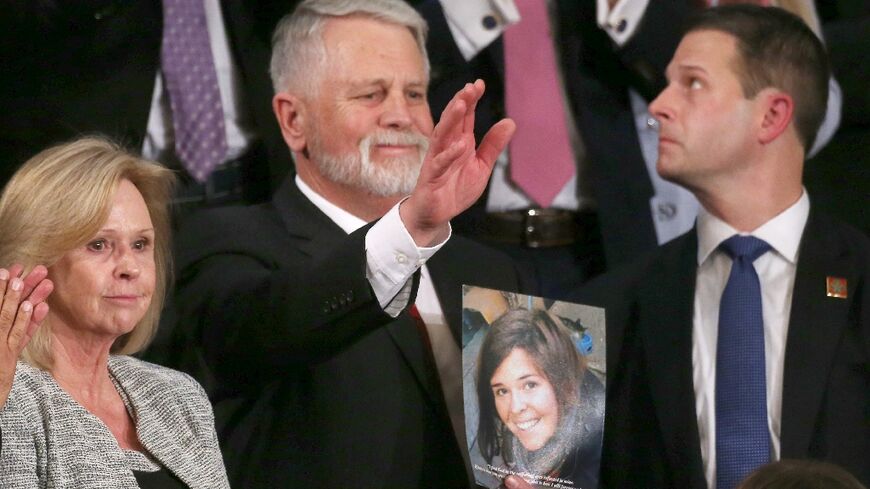
The mother of slain US relief worker Kayla Mueller testified Tuesday at the trial of one of her daughter's alleged Islamic State captors, recounting the desperate pleas for her release and tortuous negotiations.

Marsha Mueller's emotional testimony came on the fifth day of the trial in US federal court of El Shafee Elsheikh, a 33-year-old former British national.

Elsheikh is accused of involvement in the murders of Kayla Mueller and three other Americans: journalists James Foley and Steven Sotloff and aid worker Peter Kassig.

Carl Mueller (C) holds a photo of his daughter, Kayla, as his wife Marsha (L) looks on during the 2020 State of the Union address

Pope Francis to visit crisis-hit Lebanon in June

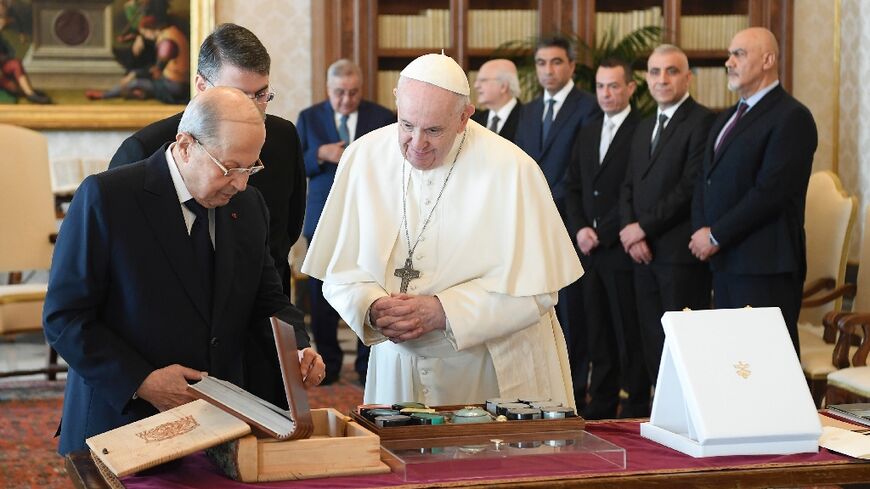
Pope Francis is set to visit Lebanon in June, the country's presidency said on Tuesday, in a long-awaited trip that comes amid spiralling financial and political crises.

Lebanon, home to one of the largest Christian communities in the Middle East, has been gripped by an unprecedented economic downturn since 2019, with more than 80 percent of the population now living in poverty.

Pope Francis exchanges gifts with Lebanon's President Michel Aoun at the Vatican on March 21, 2022

Yemenis between hope and despair after latest ceasefire

A fragile two-month truce brokered by the United Nations in war-torn Yemen has given people just a glimmer of hope as they continue to struggle for survival.

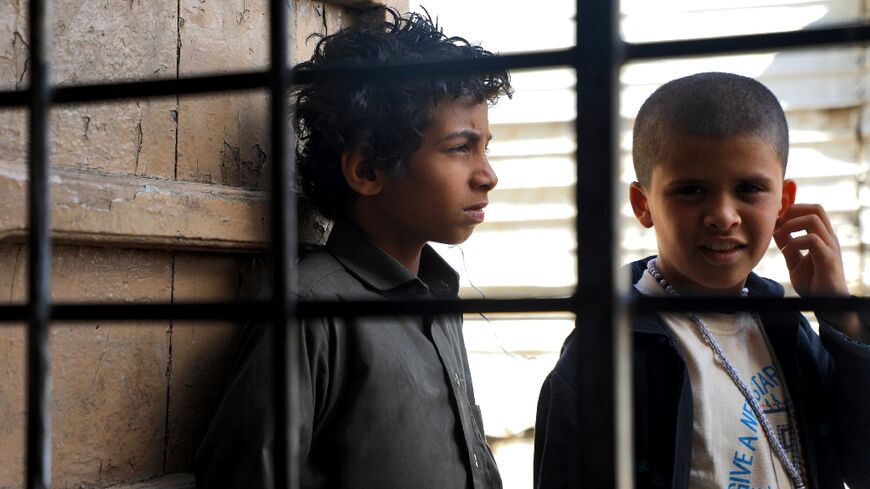
Many fear the latest ceasefire in the seven-year-old conflict, coinciding with the start of the Muslim holy month of Ramadan, will only silence the guns temporarily.

"With the truce, the situation might get better," said Maha Hmeid, 44, a teacher in the western port city of Hodeida.

Many Yemenis fear the latest ceasefire in the seven-year-old conflict will only silence the guns temporarily

Yemen warring parties trade charges of truce violations

Yemen's warring parties on Tuesday traded accusations of violating a ceasefire agreement, three days after it went into effect at the start of Ramadan.

The internationally recognised government, supported by a Saudi-led military coalition, and the Iran-backed Huthi rebels have been locked in a violent power struggle since 2014, when the insurgents seized the capital Sanaa.

But a two-month truce that started on Saturday -- the first day of the Muslim fasting month of Ramadan -- has offered a glimmer of hope in the conflict considered the world's worst humanitarian crisis.

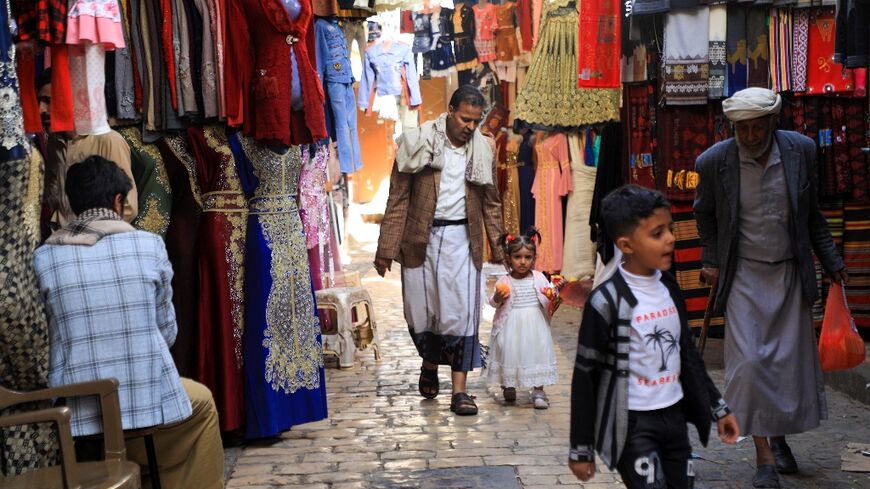
Yemenis shop at a market in the old city of the Yemeni capital Sanaa on the first day of the Muslim holy month of Ramadan, on April 2, 2022

US, Iran spar over stalled nuclear talks

The United States and Iran blamed each other Monday for a weeks-long impasse that has held up a return to the 2015 deal that sought to prevent Tehran from developing nuclear weapons.

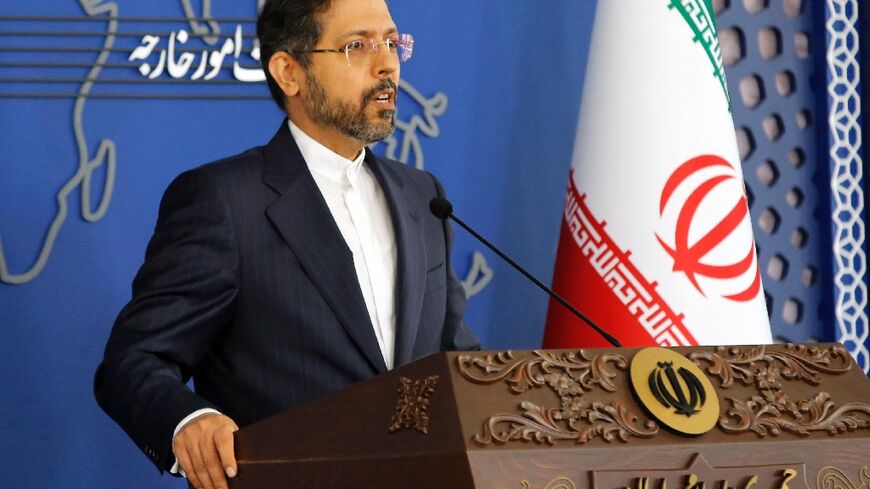
Iranian foreign ministry spokesman Saeed Khatibzadeh said that the country's negotiators would not return to Vienna, the site of the year-long talks to restore the Joint Comprehensive Plan of Action (JCPOA), until Washington settles outstanding issues.

"We will not be going to Vienna for new negotiations but to finalize the nuclear agreement," Khatibzadeh told reporters in Tehran.

Iran's foreign ministry spokesman Saeed Khatibzadeh speaks to media during a press conference in Tehran on November 15, 2021

Boats for buffaloes: vets in Iraq's marshes take to water

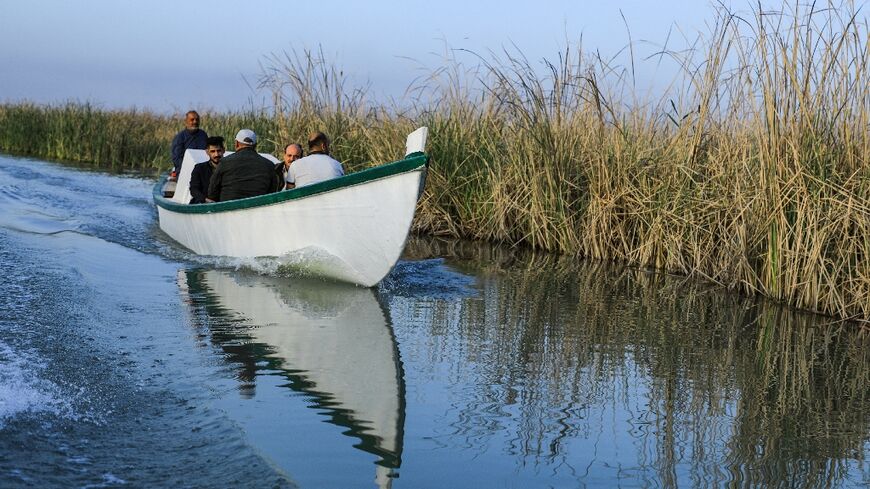
The small motorboat chugging through southern Iraq's marshes is similar to those tourists use to explore the vast swamplands, the reputed home of the biblical Garden of Eden.

But this boat has a difference; it is used by veterinarians as an animal ambulance to bring critical healthcare for livestock, and especially the water buffalo iconic to the marshlands, facing an ever-growing threat from the impacts both of rampant pollution and climate change.

Veterinarian Karrar Ibrahim Hindi (L) sits in an ambulance boat as he heads to treat sick buffaloes, in the marshes of southern Iraq