France, Britain push Hormuz mission as truce nears, but Iran’s stance key

By John Irish and Parisa Hafezi

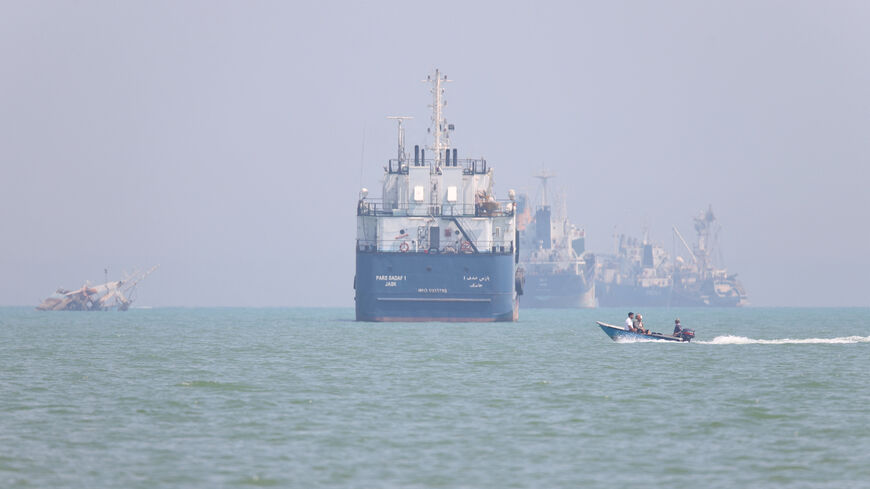
EVIAN-LES-BAINS, France, June 15 (Reuters) - France and Britain are pushing plans for a multinational naval mission to safeguard shipping through the Strait of Hormuz if a U.S.-Iran ceasefire materialises, although it is doubtful whether Tehran would be prepared to accept any such operation.

Diplomats say Iran has signalled strong opposition to any foreign military presence in the waterway and could seek to impose transit fees on shipping — a red line for European powers — making its stance decisive for any deployment.

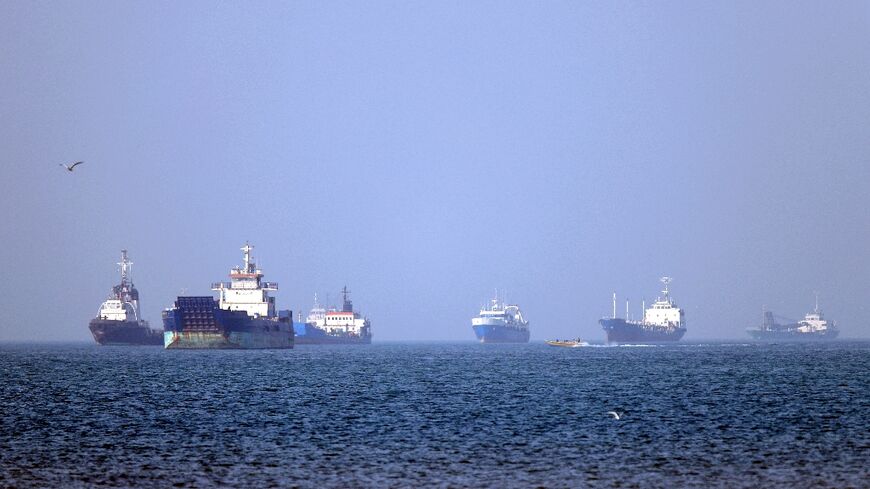
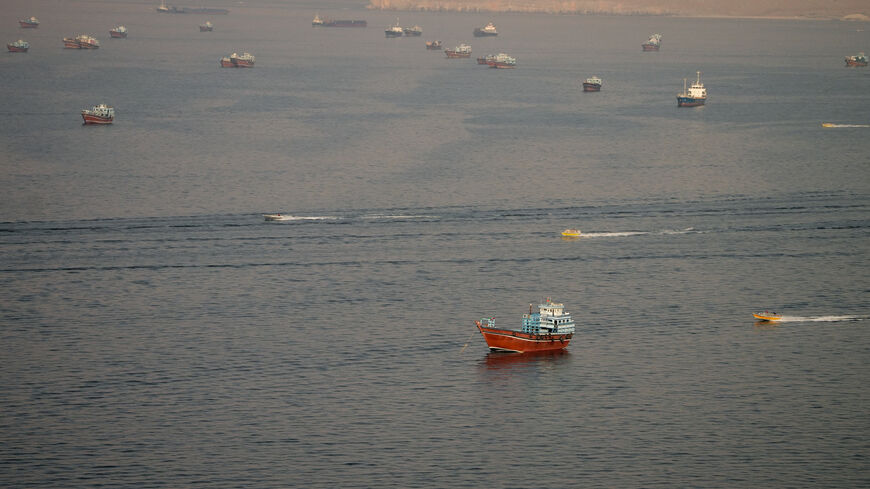
A drone view shows vessels in the Strait of Hormuz, as seen from Musandam, Oman, June 15, 2026. REUTERS/Stringer

Analysis-Gulf recalibrates as Iran emerges intact from war

By Samia Nakhoul

BEIRUT, June 15 (Reuters) - The U.S.-Iran deal may silence the guns, but it cannot alter the verdict of more than three months of war.

The region has emerged from one of its most dangerous crises in decades with the balance of power broadly unchanged, Iran politically emboldened, and Gulf confidence in U.S. protection deeply shaken, Gulf sources, diplomats and analysts say.

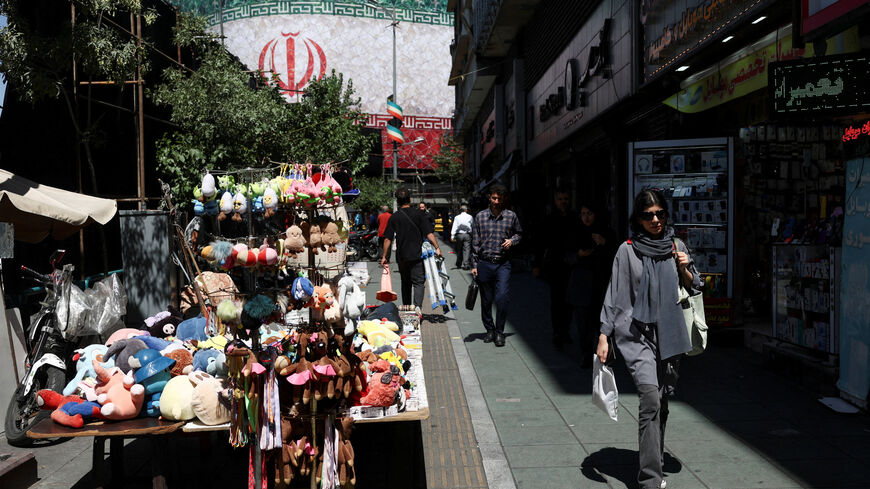
An Iranian woman walks on a street, after U.S. and Iranian officials said they had reached a deal to end their war and reopen the Strait of Hormuz, in Tehran, Iran, June 15, 2026. Majid Asgaripour/WANA (West Asia News Agency) via REUTERS

US says Hormuz to be toll-free under Iran deal

The United States said Monday that ships will move toll-free through the Strait of Hormuz under an Iran peace deal signed by President Donald Trump, and insisted Tehran would have to fulfill its commitments before getting any economic benefits.

They included a possible $300 billion reconstruction fund for the war-battered country, but the release of funds will be "tied to performance," a senior Trump administration official said in a call with reporters.

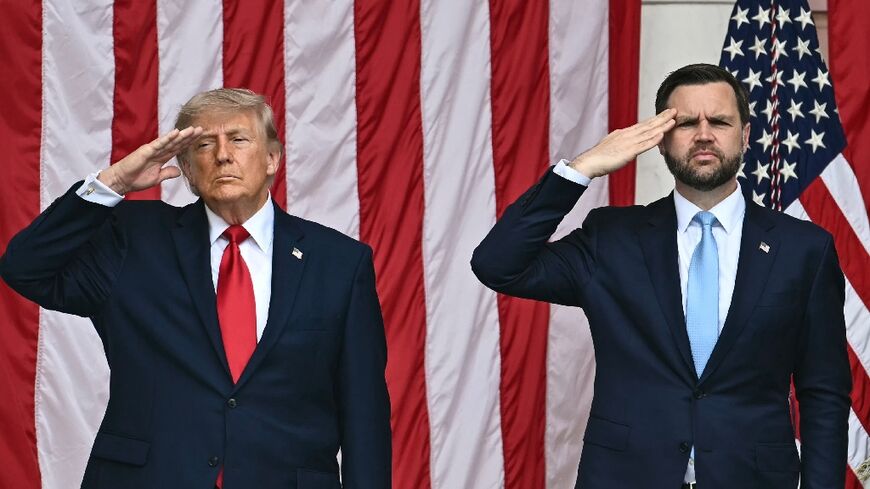
US President Donald Trump and Vice President JD Vance virtually signed the Iran deal

Iran says Lebanon is integral part of peace deal with US

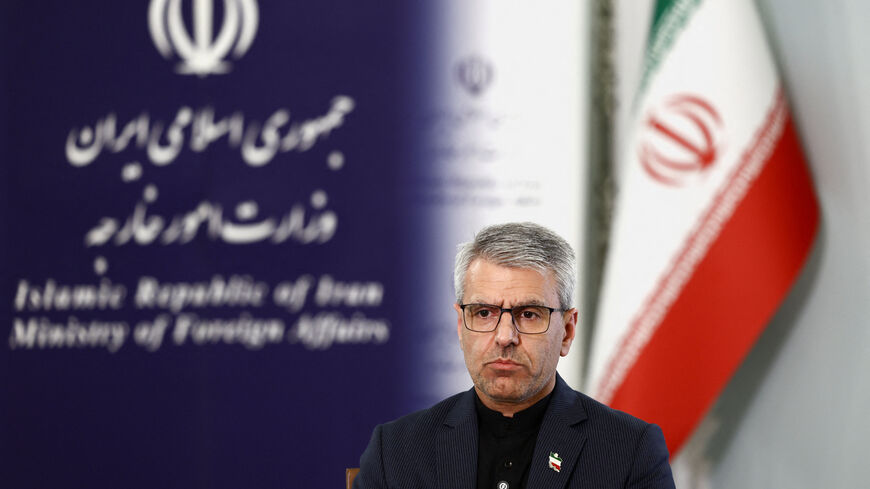
DUBAI, June 15 (Reuters) - Lebanon is an integral part of the agreement to end the war with the U.S., Iran’s foreign ministry spokesperson said on Monday, adding that the draft memorandum mentions Lebanon thrice as it calls for an end to war on all fronts, as well as the respect of its sovereignty and its territorial integrity.

Esmaeil Baghaei said diplomatic visits to regional countries are on the agenda for Tehran, before the signing of the agreement due on Friday in Geneva, Switzerland.

Iran's Foreign Ministry spokesman Esmaeil Baghaei attends an interview, amid the U.S.-Israeli conflict with Iran, in Tehran, Iran, April 5, 2026. Majid Asgaripour/WANA (West Asia News Agency) via REUTERS

'Start your engines'? Shippers wary on Hormuz reopening

Shipping groups warned Monday it was too soon to safely resume sailing through the Strait of Hormuz following US and Iranian promises that the trade route would reopen under their agreement to end the Middle East war.

The accord announced Sunday raised hope for an end to the disruptive blockade of the strait, through which a fifth of the world's oil and liquefied natural gas (LNG) passed in peacetime.

Hundreds of oil tankers and cargo ships have been stuck inside the Gulf since the war erupted on February 28

France's Macron warns Iran against imposing Hormuz tolls

French President Emmanuel Macron on Monday warned Iran against imposing tolls on shipping through the Strait of Hormuz, saying "everything" should be done so fees are not charged for passage through the key bottleneck.

Iran's Fars news agency reported earlier that Tehran added a clause on imposing maritime service fees to the framework deal with the United States on ending the Middle East war, shortly before its announcement.

Macron said the Strait of Hormuz had to reopen

US-Iran deal met with hope, scepticism in Mideast

The deal between the United States and Iran to end their war, negotiated in secret and still not revealed in detail, was greeted with scepticism but a measure of relief among ordinary people across the Middle East.

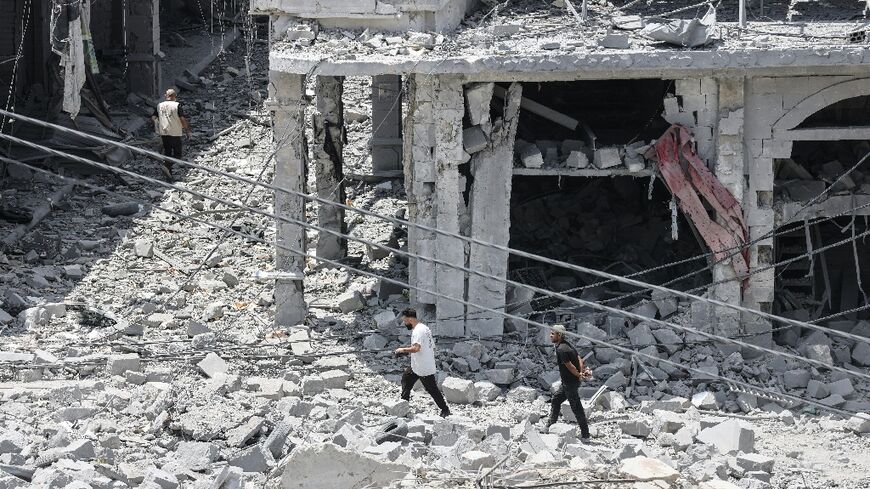
In Lebanon, AFP saw displaced people preparing to return to homes they fled in the south of the country, despite Israeli ministers declaring they did not feel bound by the agreement to halt their own offensive against Hezbollah.

Some Lebanese returned to their hometowns

US-Iran deal a 'catastrophe' for Israel, analysts say

The US-Iran agreement to conclude the Middle East war is a significant strategic setback for Israel and underscores its waning influence in Washington, Israeli analysts said.

Although the accord, announced by Pakistan early Monday, remains incomplete and is expected to be finalised within 60 days, its preliminary framework has already raised concern in Israel.

Analysts argue it effectively locks in Iranian gains while deferring the most sensitive issue for Israel: its security.

An Israeli left-wing activist in costume with a mask depicting US President Donald Trump holds a baby puppet depicting Israel's Prime Minister Benjamin Netanyahu during a demonstration against the government and the war in the Middle East

Shippers remain cautious on Hormuz strait transit after US and Iran agree deal

By Kentaro Okasaka, Jeslyn Lerh, Emily Chow and Stine Jacobsen

June 15 (Reuters) - Shippers in Asia and Europe said confidence in resuming transit through the Strait of Hormuz could take weeks to rebuild and navigation will only restart once safety is assured, after the U.S. and Iran agreed on a framework deal to reopen the waterway.

U.S. and Iranian officials are expected to sign a memorandum of understanding to end their war, halt the U.S. blockade of Iran and reopen the strait on Friday. Global oil prices fell about 5% on Monday in response.

Vessels in the Strait of Hormuz near the beach of Bandar Abbas, Iran, June 11, 2026. Amirhosein Khorgooi/ISNA/WANA (West Asia News Agency) via REUTERS

Scouring the Strait of Hormuz for mines could take weeks

By Jonathan Saul

LONDON, June 15 (Reuters) - Ensuring the Strait of Hormuz is safe from mines could delay a return to normal shipping traffic by weeks following a deal to reopen the waterway, shipping and maritime security sources say.

The operation by conventional minesweepers and state-of-the-art underwater drones could continue for 40 to 50 days before many insurance, shipping or oil companies are confident enough to sail through, according to assessments from five Western maritime security sources.

Vessels at the Strait of Hormuz, as seen from Musandam, Oman, June 14, 2026. REUTERS/Stringer