US citizen, 85, flies out of Iran for medical care

An 85-year-old Iranian-American arrested in Tehran more than six years ago who is seeking urgent medical treatment has landed in Abu Dhabi, the State Department said Wednesday, with the United States pressing for the release of three other citizens.

Baquer Namazi, a former UNICEF official, was detained in February 2016 when he travelled to Iran to press for the release of his son Siamak, who had been arrested in October of the previous year.
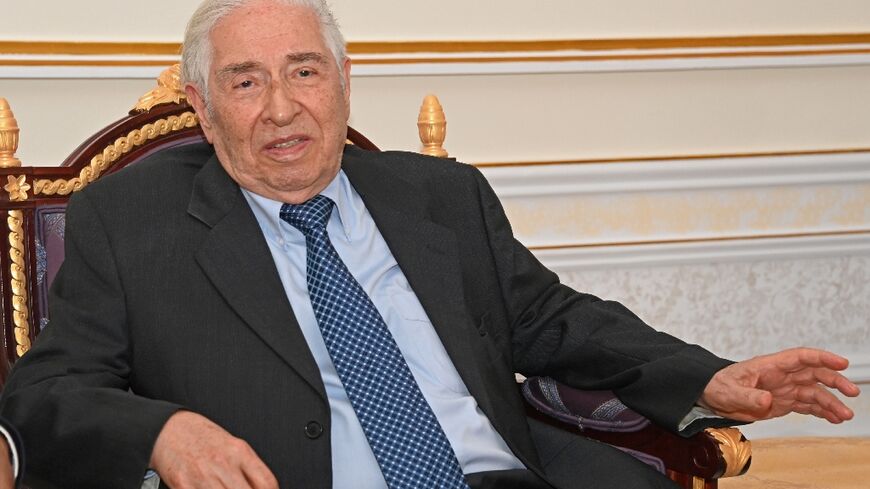
Baquer Namazi, a US citizen, speaks to the press upon his arrival to the Omani capital Muscat on October 5 following his release in Iran

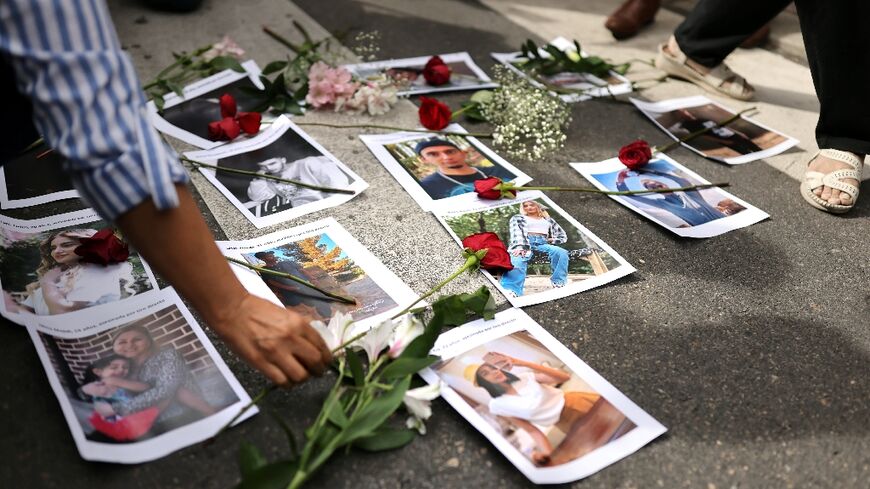
Hadis, Minoo and Ghazaleh: the women victims of Iran's crackdown

"I am really hoping that in some years from now, after everything has changed, I will be happy to have been involved by taking part in this protest," Iranian woman Hadis Najafi, 22, said in a self-recorded video as she prepared to take to the streets.

Shortly after recording the message to her phone, Najafi was killed while participating in a street protest on September 21 in Karaj, outside Tehran.

According to Amnesty International, she was shot by security forces several times at close range, with birdshot wounds to the face, neck and chest.

The protests in Iran have broken taboos in the country, but security forces have hit back with lethal force

Energy crisis feared by Europe long a reality in Iraq

Europe may fear an energy crisis over the coming winter, but for Iraqis an unstable power supply and frequent blackouts have been a reality during decades of war and turmoil.

The Middle Eastern country is rich in oil, but endemic corruption and devastating conflict have taken a heavy toll on its infrastructure and forced most of its 42 million people to adapt.

The noise of privately owned generators can be heard all over the country as households and businesses try to make up for supply shortfalls from the national electricity company.

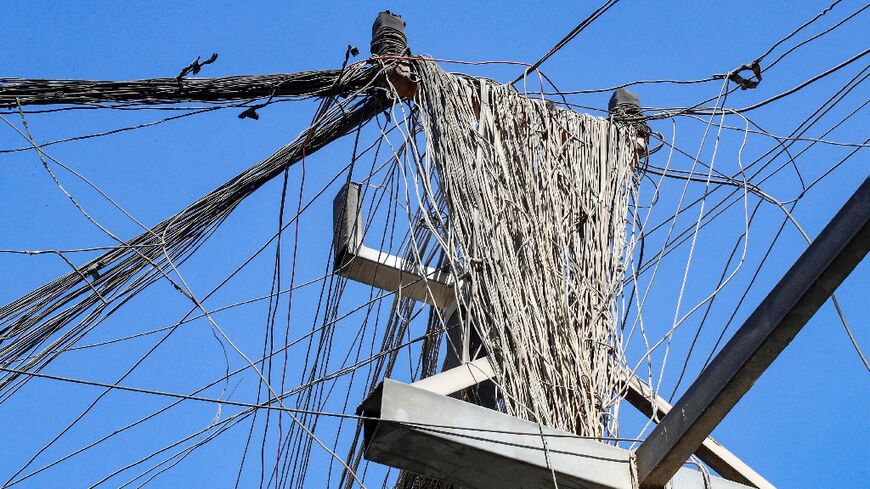
Iraq may be rich in oil, but endemic corruption and devastating conflict have taken a heavy toll on its infrastructure and forced most of its 42 million people to adapt

Taste of Qatari hospitality: traditional Arabic coffee

With its strong aroma of cardamom and its yellowy, tea-like consistency, Arabic coffee is a ubiquitous symbol of hospitality across Gulf countries, not least in World Cup host Qatar.

Prepared by roasting coffee beans then boiling them with cardamom and saffron, the traditional "gahwa" is usually enjoyed in the Qatari majlis -- the all-male gathering that forms the centrepiece of social life in the country.

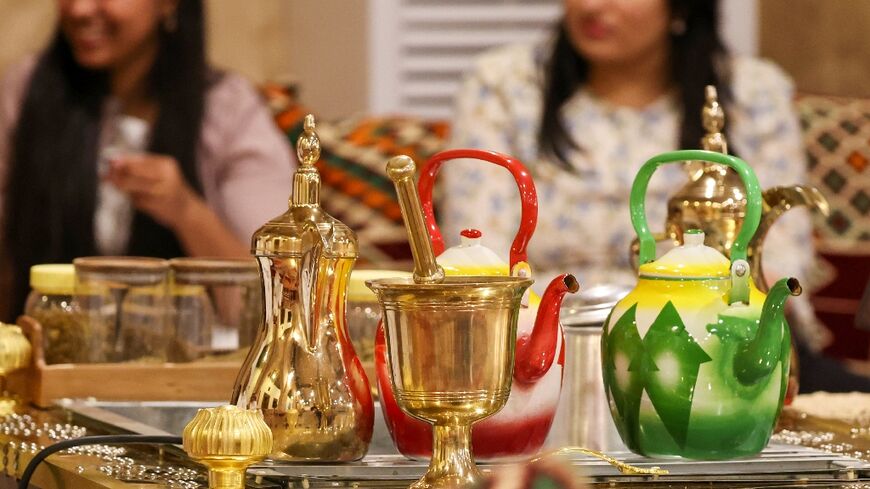
Golden 'dallah' pots are used for traditional 'gahwa', prepared by roasting coffee beans then boiling them with cardamom and saffron

Moroccans protest 'racist' French, EU visa policies

Dozens of Moroccans demonstrated outside the European Union's office in Rabat on Tuesday in protest at "racist" and "humiliating" treatment over visa applications, particularly by former colonial ruler France.

"We're here to express our anger at the humiliation, arrogance and racism endured by many of our compatriots whose visa requests have been rejected by EU states," said Aziz Ghali, one of the organisers and head of the AMDH rights group.

Ghali accused EU states of limiting the number of visas issued and rejecting applicants despite the fact they met the criteria.

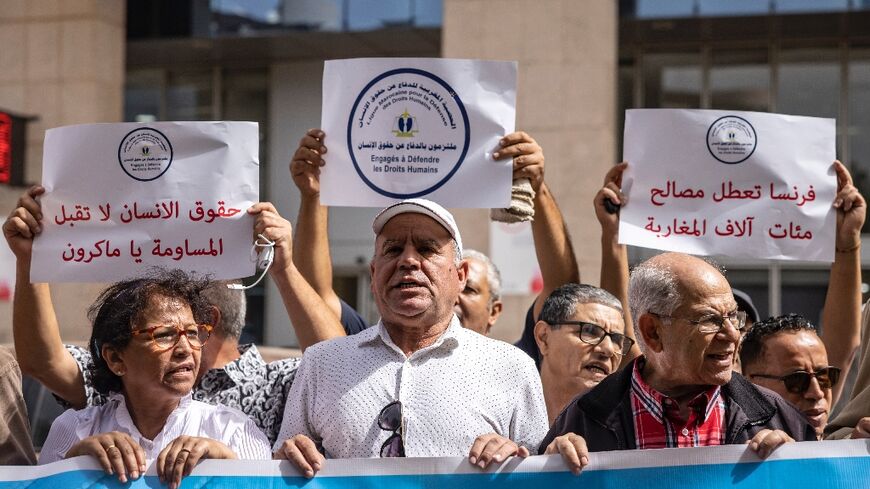
Members of a Moroccan human rights association demonstrate in front of the European Union offices in Rabat against the restriction of visa

Qatar reopens Museum of Islamic Art ahead of World Cup

Qatar unveiled Tuesday its landmark Museum of Islamic Art after an 18-month renovation ahead of the World Cup in a bid to be a "showcase" for the Arab world.

"We are the biggest Museum of Islamic Art in this region... and we are in the middle of the Arab world," said museum director Julia Gonnella. "Where better can you learn about Islamic culture and art and history than here?"

The museum showcases 14 centuries of Islamic art and artefacts from around the world.

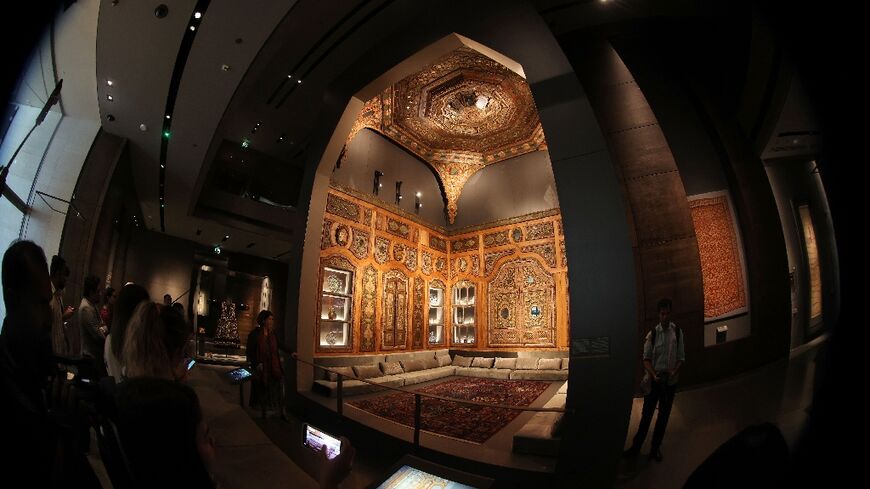
An interior view of the Museum of Islamic Art in Doha during its reopening on October 4

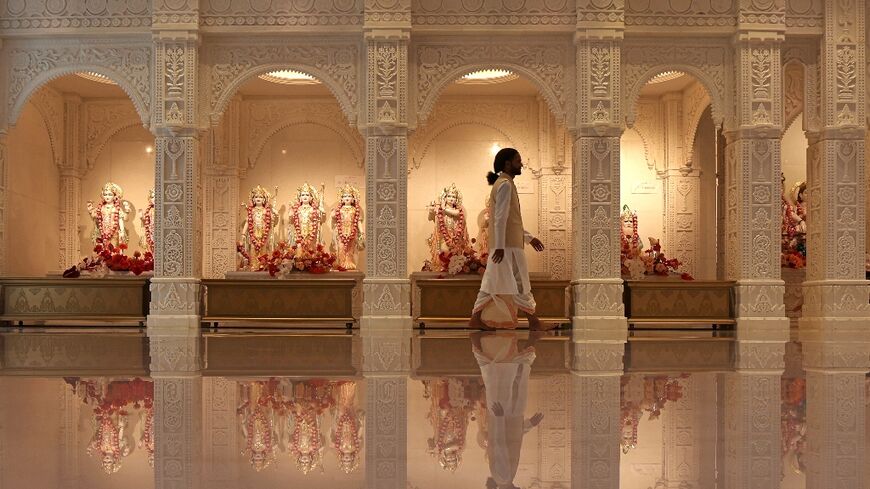
Ornate Hindu temple opens doors in Islamic UAE

The United Arab Emirates' first purpose-built Hindu temple opened in Dubai on Tuesday, providing a place of worship and support network for the large Indian community including migrant labourers.

The large white marble building with Indian as well as Emirati architectural flourishes sits in the officially Islamic country's Jebel Ali port district, which is also home to churches and a Sikh temple.

The Hindu temple will act as a support centre for Indian expatriates in the UAE, particularly labourers

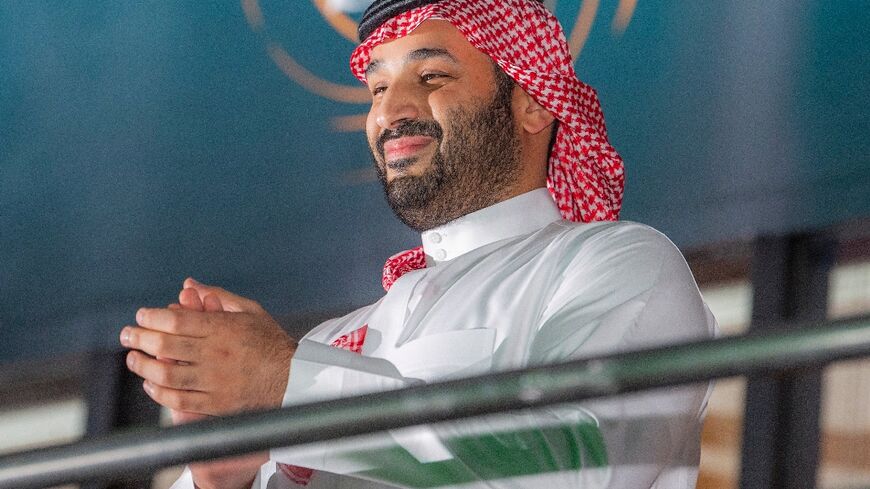
Saudi prince's lawyers says PM title ensures legal immunity

Lawyers for Saudi Crown Prince Mohammed bin Salman have argued that his appointment as prime minister qualifies him for immunity from lawsuits in US courts, including one related to the 2018 killing of journalist Jamal Khashoggi.

Prince Mohammed, who previously served as deputy prime minister and defence minister, was named prime minister by royal decree last week, sparking concern from human rights activists and government critics that he was looking to skirt exposure in cases filed in foreign courts.

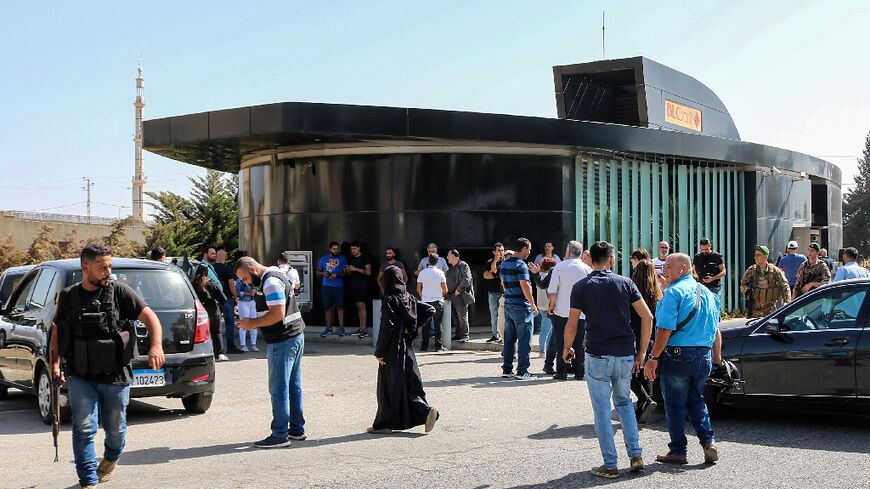
Lebanese man storms bank to demand money for son in Ukraine

A retired Lebanese officer stormed a bank Tuesday demanding a money transfer for his son studying in Ukraine, an advocacy group said, one of at least three bank hold-ups across Lebanon.

Banks in the country, mired in an economic crisis for more than two years, partially reopened last week under strict security after a week-long closure following a slew of heists by customers desperate to access their money.

Banks in Lebanon partially reopened last week under strict security measures

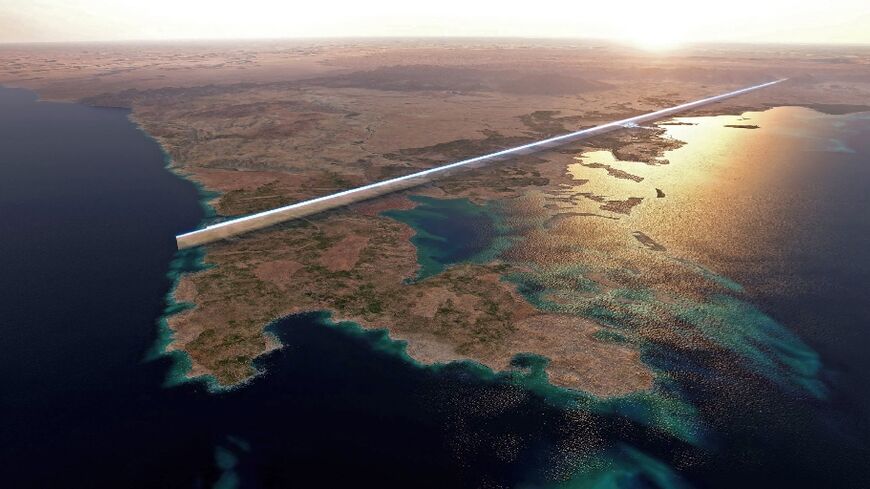
Saudi desert megacity to host Asian Winter Games

Saudi Arabia was chosen Tuesday to host the 2029 Asian Winter Games at an under-construction $500 billion futuristic desert megacity that planners say will feature a year-round winter sports complex.

"The deserts and mountains of Saudi Arabia will soon be a playground for winter sports," the Olympic Council of Asia (OCA) said in a statement on the decision made during its general assembly meeting in Phnom Penh.

The Saudi bid was "unanimously approved", the statement said, noting that the megacity known as NEOM will be the first West Asian city to host the event.

A futuristic megacity in Saudi Arabia will feature two massive, mirror-encased skyscrapers that extend over 170 kilometres of desert and mountain terrain