US blockade of Iran ports threatens already crippled oil supply

Washington's decision to blockade Iranian ports in the Strait of Hormuz is sending tremors through global energy markets, raising fears of a fresh oil shock by threatening supplies to Asia.

Iran had continued to pump crude to Asia since the start of the Middle East war, partly shielded by its elusive "dark fleet".

Roughly one-fifth of the world's oil normally flows through the vital waterway. In recent weeks, Iran has already tightened the screws, sharply slowing maritime traffic and reportedly charging transit fees.

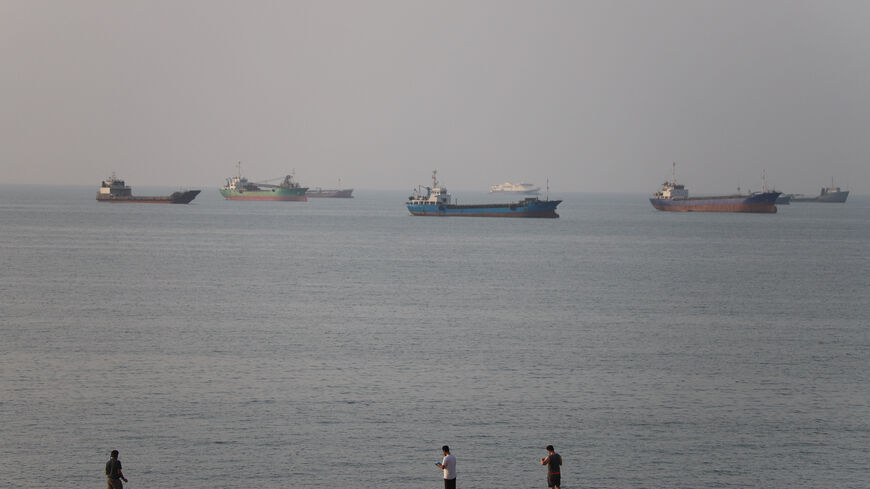
The Strait of Hormuz is the world's fifth busiest shipping lane

Fresh from conflict, Pakistan plays 'peacemaker' in US-Iran talks

As the clock ticked down to US President Donald Trump's deadline to destroy Iran's civilisation last week, hope emerged from an unlikely corner, with Pakistan's prime minister first seeking -- and within hours securing -- a two-week ceasefire between the warring sides.

Now, with a round of talks concluded in Islamabad and frantic negotiations underway to secure a second go, Pakistan is basking in its new role as a regional peacemaker, analysts say.

Pakistani Prime Minister Shehbaz Sharif (R) was thanked by both Iran and the United States after the conclusion of the Islamabad talks

Tankers pass Strait of Hormuz on first day of US blockade, data shows

By Florence Tan and Mariko Katsumura

SINGAPORE/TOKYO, April 14 (Reuters) - A third Iran-linked tanker was entering the Gulf via the Strait of Hormuz on Tuesday on the first full day of the U.S. blockade L6N40X074 on vessels calling at Iranian ports, shipping data showed.

U.S. President Donald Trump announced the blockade on Sunday after weekend peace talks in Islamabad between the U.S. and Iran failed to reach a deal L1N40X07G.

As the three vessels transiting the strait were not heading to Iranian ports, they are not covered by the blockade.

A map showing the Strait of Hormuz is seen in this illustration taken June 22, 2025. REUTERS/Dado Ruvic/Illustration

Russian Foreign Minister Lavrov arrives in China for talks on Iran and Ukraine

MOSCOW, April 14 (Reuters) - Russian Foreign Minister Sergei Lavrov arrived in China on Tuesday for talks on the wars in Ukraine and Iran as well as bilateral ties.

Lavrov was shown on Russian state television arriving in Beijing where is expected to hold talks with Chinese Foreign Minister Wang Yi.

"A thorough exchange of views is expected on a number of 'hot topics' and regional issues, including the Ukrainian crisis and the situation in the Middle East," Russia's Foreign Ministry said in a statement.

FILE PHOTO: Russian Foreign Minister Sergei Lavrov speaks during a joint news conference with Egyptian Foreign Minister Badr Abdelatty following their meeting in Moscow, Russia April 3, 2026. Pavel Bednyakov/Pool via REUTERS/File Photo

Botswana seals energy, mining deals with Oman

Botswana has signed energy and mining exploration agreements with Oman as it seeks to deepen economic ties with the sultanate, the presidency said.

The Southern Africa nation has been courting Gulf states as it seeks to diversify an economy heavily reliant on diamonds, of which it is the world's leading producer by value.

President Duma Boko and Oman's Sultan Haitham bin Tariq agreed to develop a 500-megawatt solar photovoltaic plant with battery storage, the presidency said on Monday.

Botswana President Duma Boko visited France last week

US, Iranian teams could return to Islamabad for peace talks this week, four sources say

ISLAMABAD/DUBAI, April 14 (Reuters) - Negotiating teams from the U.S. and Iran could return to Islamabad this week, four sources said on Tuesday, days after the highest-level talks between the two countries since the 1979 Islamic Revolution ended in the Pakistani capital without a breakthrough.

(Reporting by Ariba Shahid in Islamabad, Mubasher Bukhari in Lahore and Hafisa Paresi in Dubai; Editing by Himani Sarkar)

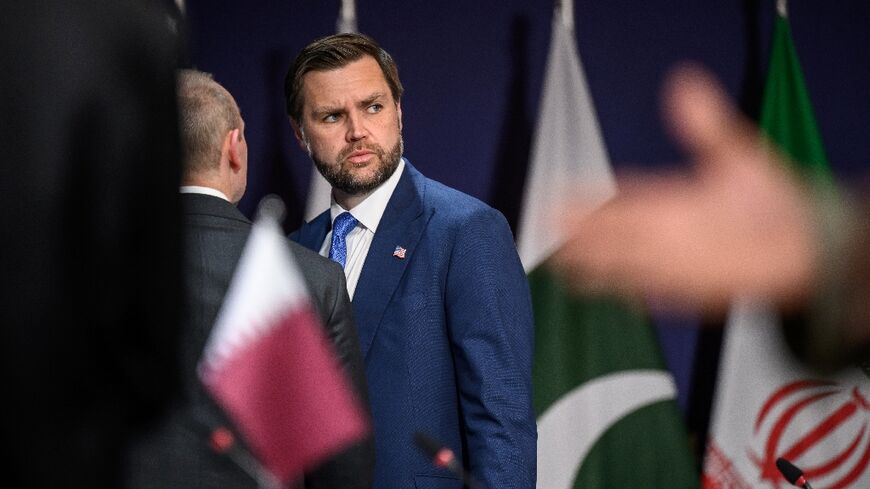
FILE PHOTO: A Pakistani official stands during the arrival of the U.S. Vice President JD Vance for talks with Iranian officials in Islamabad, Pakistan, Saturday, April 11, 2026.     Jacquelyn Martin/Pool via REUTERS/File Photo

Explainer-What does a US naval blockade of Iran mean for oil flows?

April 14 (Reuters) - The U.S. military began blocking shipping traffic in and out of Iran's ports, a move that would prevent roughly two million barrels of Iranian oil a day from entering the world's markets, further tightening global supply.

Here are details on the blockade and its implications for oil markets.

WHAT WAS ANNOUNCED?

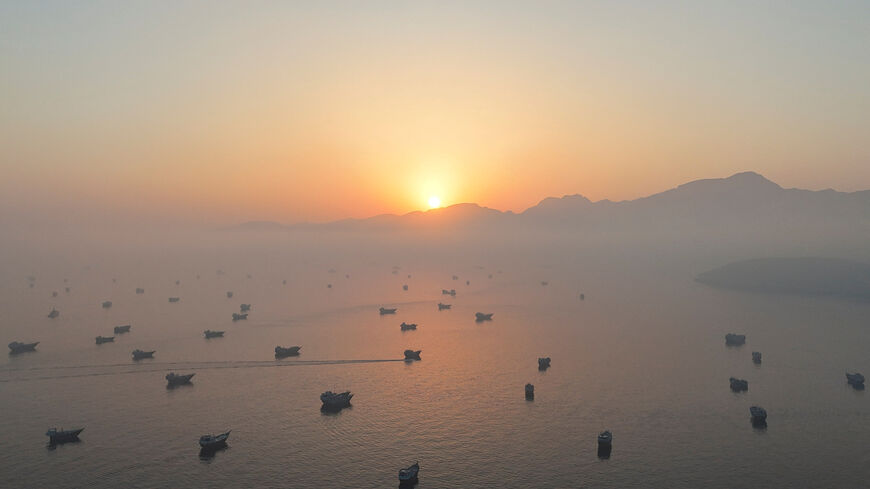
A vessel at the Strait of Hormuz, off the coast of Oman’s Musandam province, April 12, 2026. REUTERS

Iran to allocate part of oil revenues for reconstruction after attacks, minister says

DUBAI, April 14 (Reuters) - Iranian oil sales in recent weeks have been favourable and part of the revenue will be allocated to repairing damage to industry caused by wartime attacks, Iran's oil minister said on Tuesday.

Mohsen Paknejad said oil workers had maintained operations across facilities during the conflict, ensuring oil exports were not halted “even for a single day,” including at key export hubs such as Kharg Island.

The minister said last month that the selling price of Iranian crude had significantly increased nS8N3YJ01V.

FILE PHOTO: Iranian Oil Minister Mohsen Paknejad makes a statement following a signing ceremony attended by Russian Energy Minister Sergei Tsivilev in Moscow, Russia, April 25, 2025. REUTERS/Olesya Astakhova/File Photo

Lebanon, Israel to meet for tough talks in Washington

Lebanese and Israeli representatives are scheduled to meet in Washington Tuesday for US-mediated talks on ending the war in Lebanon, but the prospects of an agreement appear slim.

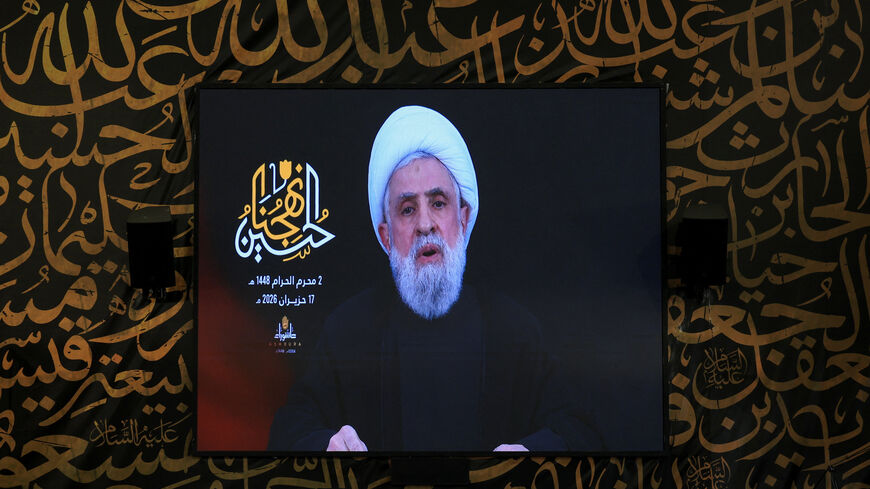
Naim Qassem -- the leader of pro-Iran Hezbollah, which is battling Israel -- called for the talks to be scrapped before they even began, describing them as "futile."

Lebanon was pulled into the region-wide Iran war on March 2 after Hezbollah attacked Israel.

The meeting mediated by Secretary of State Marco Rubio will include the Israeli and Lebanese ambassadors to Washington and the US ambassador to Beirut

Mideast war revs up electric car demand in Asia

Electric vehicle sales have jumped in Southeast Asia as cost-conscious buyers have poured into dealerships looking to dodge the fuel price spikes driven by the Middle East war.

Asian nations have been particularly hard hit due to a sharp fall in the crude shipments they rely on -- and have few alternatives to replace them.

Yet the energy crisis has been a windfall for Vietnam's leading electric vehicle maker Vinfast as well as Chinese manufacturers.

Vietnamese office worker Do Thi Lan explained the simple math of the cars' appeal at a Vinfast showroom in Hanoi.

Electric car sales have shot up as Southeast Asia buyers try to avoid Mideast war-linked fuel hikes