Trump family ran afoul of foreign gift law: Democrats

Donald Trump and his family failed to disclose gifts worth a total of more than $250,000 given by foreign governments while he was in the White House, Democrats said Friday -- including golden golf clubs from Japan and swords from Saudi royalty.

The items were among some 100 presents listed in preliminary findings from opposition Democratic lawmakers who sit on the Republican-led US House Oversight Committee, saying many remained unaccounted for in government records.

Former US President Donald Trump was gifted golf clubs from Japan on several occasions

Key Saied adviser quits as Tunisia interior minister

Tunisian interior minister Taoufik Charfeddine, a close aide of President Kais Saied, announced Friday he had resigned to spend more time with his children following the death of his wife last year.

Charfeddine, 54, who had held his post since October 2021, told reporters he wished to thank the president for "his understanding and for allowing me to be relieved of my duties".

The minister's wife died in a fire caused by a gas leak in their home in June last year.

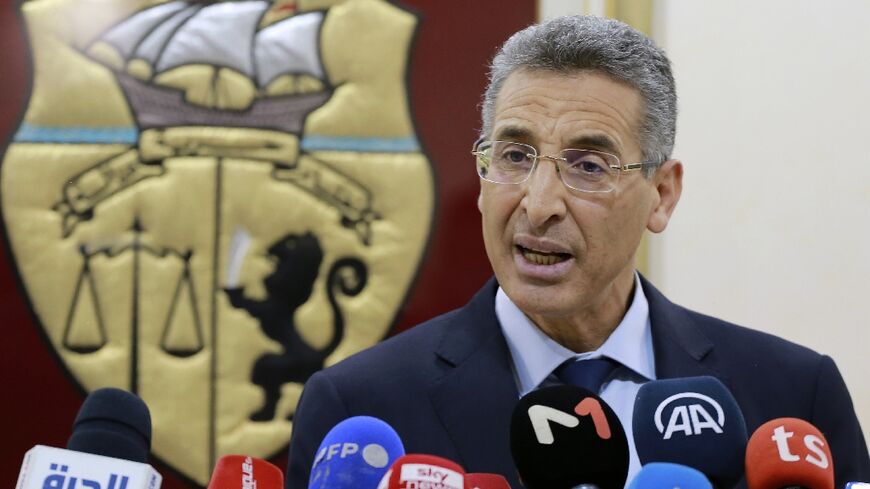
Tunisian interior minister Taoufik Charfeddine had been a key adviser of President Kais Saied in his rise to near-total power in the North African country

Lebanon banking chief maintains innocence in European embezzlement probe

Lebanese central bank governor Riad Salameh maintained his innocence Friday following a second and final day of questioning in Beirut before European investigators in a probe into his personal wealth.

Salameh, 72, is part of the Lebanese political class widely blamed for a crushing economic crisis that began in late 2019 and which the World Bank has dubbed one of the worst in recent history.

He faces allegations of crimes including embezzlement in separate probes in Lebanon and abroad, with investigators examining the fortune he has amassed during three decades in the job.

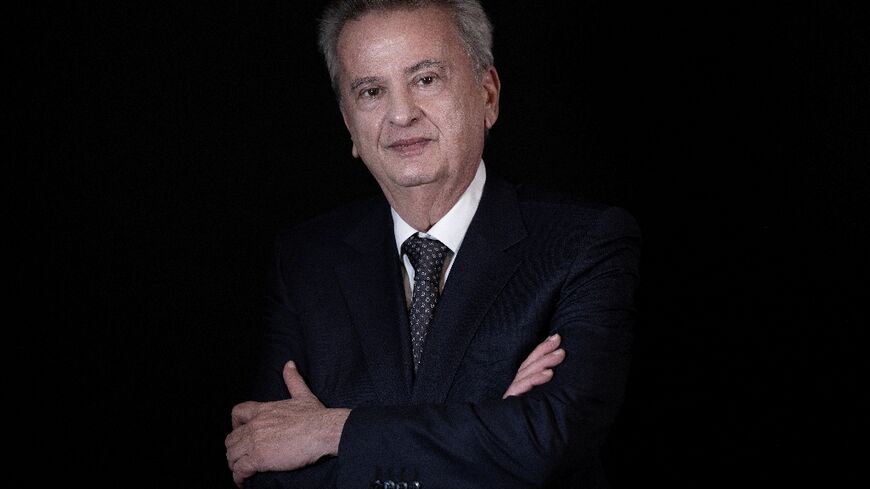
Lebanon's Central Bank Governor Riad Salameh during a studio photo session in Beirut on December 20, 2021

Shiites the big winners in Iraq since US toppled Saddam

Twenty years after US-led forces ousted Iraq's Sunni dictator Saddam Hussein, the long-oppressed Shiite majority dominates the country's politics, with all the powers and pitfalls that come with government.

The big winners of the 2003 invasion, Shiite Muslims, despite their frequent internal squabbles, hold preeminence over Sunnis and the ethnic Kurdish minority in post-war Iraq's sectarian power sharing system.

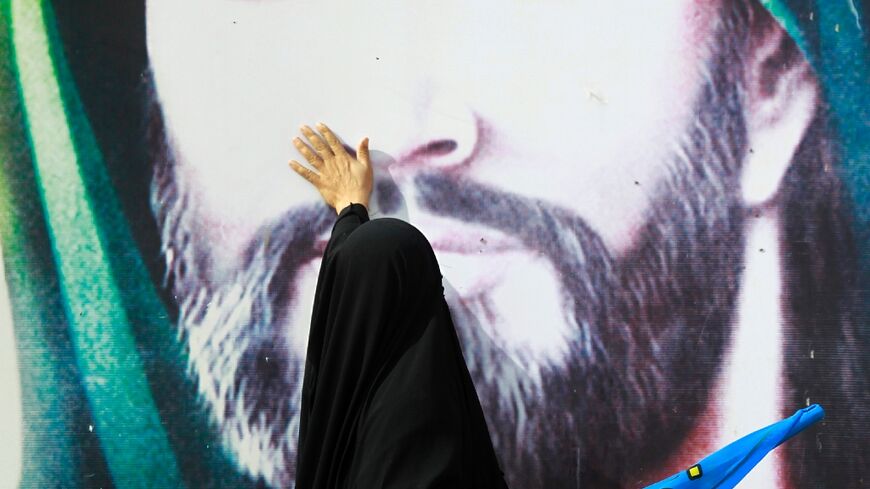
A Shiite Muslim pilgrim touches a portrait of Imam Hussein in the Iraqi holy city of Najaf during the Arbaeen religious festival, on November 26, 2015

20 years after US Iraq invasion, Senate acts to end war authorization

Almost exactly 20 years after US forces invaded Iraq to remove Saddam Hussein from power, the US Senate moved Thursday to revoke the law that authorized then-president George W. Bush to launch the war.

In a procedural vote that came over a decade after the war's official end, senators from both parties strongly supported cancelling the 2002 Authorization for Use of Military Force (AUMF), which empowered Bush to send US forces to Iraq.

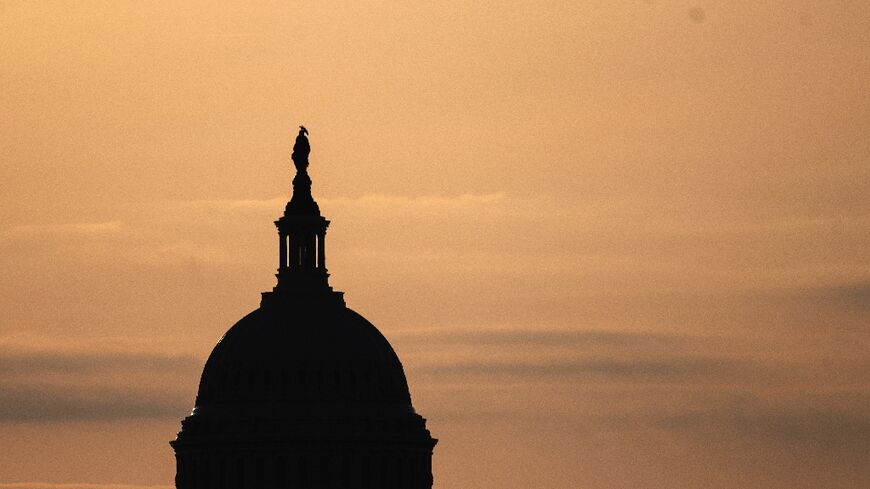
The United State Congress enacted the 2002 Authorization for Use of Military Force which empowered then-president George W. Bush to send US forces to Iraq in 2003

Uranium said missing by IAEA in Libya recovered: military

Several containers of natural uranium reported missing by the UN's nuclear watchdog in war-scarred Libya have been found, a general with one of the country's two rival camps said Thursday.

General Khaled al-Mahjoub, commander of eastern strongman Khalifa Haftar's communications division, said on his Facebook page that the containers of uranium had been recovered "barely five kilometres (three miles)" from where they had been stored in the Sabha area of southern Libya.

"The situation is under control. The IAEA has been informed," Mahjoub told AFP.

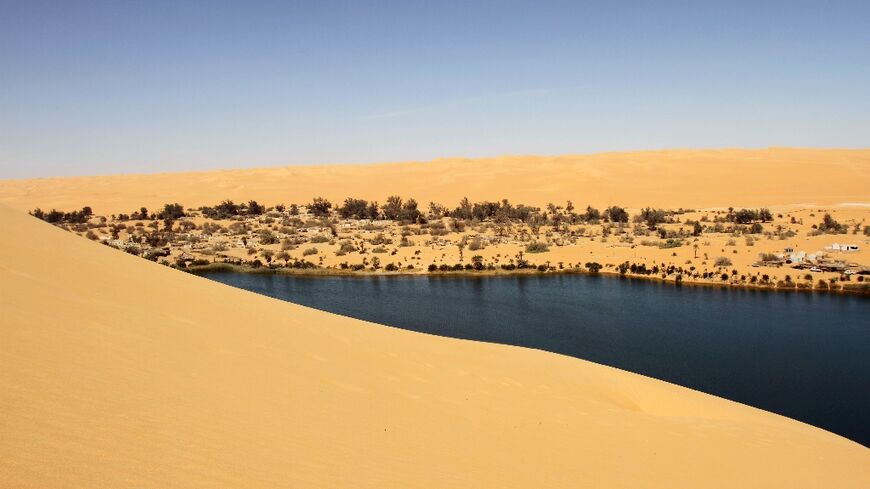
Lake Gaberoun, an oasis in Libya's Sabha district

How did France's government impose its pension reform?

The constitutional power used by the French government on Thursday to ram through parliament a hotly contested pension reform is deeply controversial and seen as undemocratic by critics.

Article 49.3 of the constitution, widely referred to as "the 49.3" in France, allows a prime minister to push draft legislation through the National Assembly without a vote by lawmakers.

A bill is then considered adopted, although opposition lawmakers are able to call a vote of no-confidence in the government within the following 24 hours which could reverse the move if passed.

French left-wing lawmakers react to Prime Minister Elisabeth Borne invoking the 49.3

From acclaim to blame: Lebanon bank chief Riad Salameh

Once lauded for reviving Lebanon's economy, former central bank chief Riad Salameh -- wanted abroad and reviled at home after years of financial meltdown -- was arrested on Tuesday by Lebanese authorities.

The 74-year-old French-Lebanese national is widely viewed as a key culprit in the country's dramatic economic crash, which the World Bank has called one of the worst in recent history.

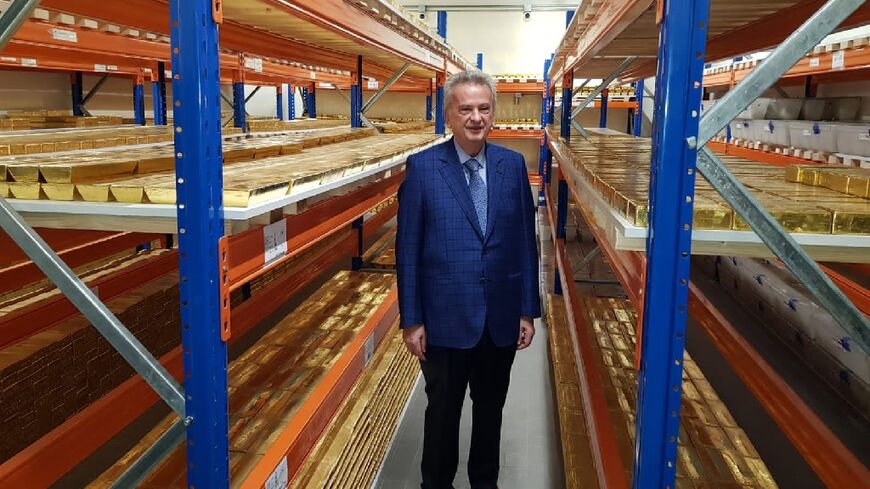
Lebanon's central bank governor Riad Salameh stands next to stacks of gold bars in the bank vaults in the Lebanese capital Beirut on November 24, 2022

Israel raid on West Bank militants kills four Palestinians

Israeli forces on Thursday killed four Palestinians including a teenager in the occupied West Bank, the latest deadly raid on Jenin which Israel said targeted "armed suspects".

Dozens of masked, heavily armed men fired into the air as they paraded through the streets for the funerals of the four dead, including two who Palestinian groups and the Israeli army identified as militants.

The Israeli army intially said troops "neutralised" two suspected militants in the northern West Bank city, accusing them of "terrorist activities".

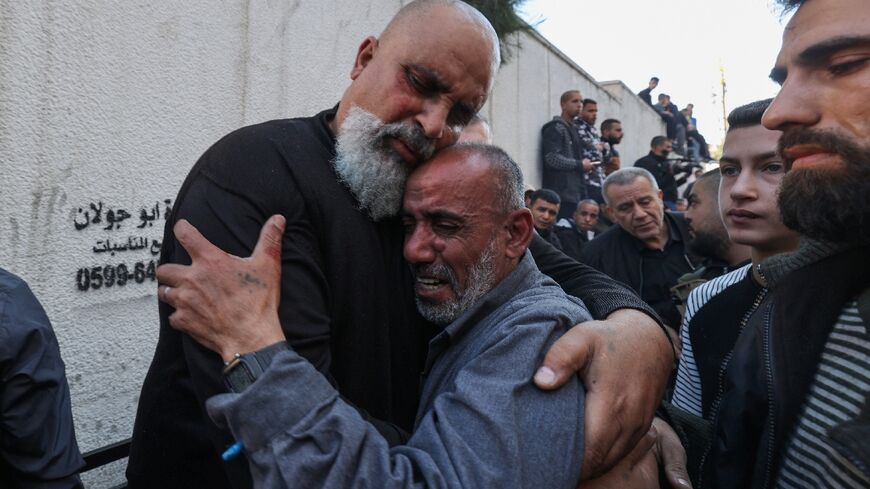
The fathers of Palestinians Nidal Khazim (L) and Youssef Shreem (C) during the funeral of their sons after an Israeli raid on Jenin

Iran's top security official holds talks in UAE after Riyadh-Tehran deal

Iran's top security official on Thursday held high-level talks in the United Arab Emirates, days after a shock rapprochement between Tehran and Riyadh.

Ali Shamkhani, the secretary of Iran's Supreme National Security Council, met with Emirati president Sheikh Mohamed bin Zayed Al Nahyan in the capital Abu Dhabi to discuss "opportunities for enhancing cooperation," according to the official WAM news agency.

He also held talks with the UAE's national security adviser, Sheikh Tahnoun bin Zayed Al Nahyan, and discussed "bilateral relations," WAM said.

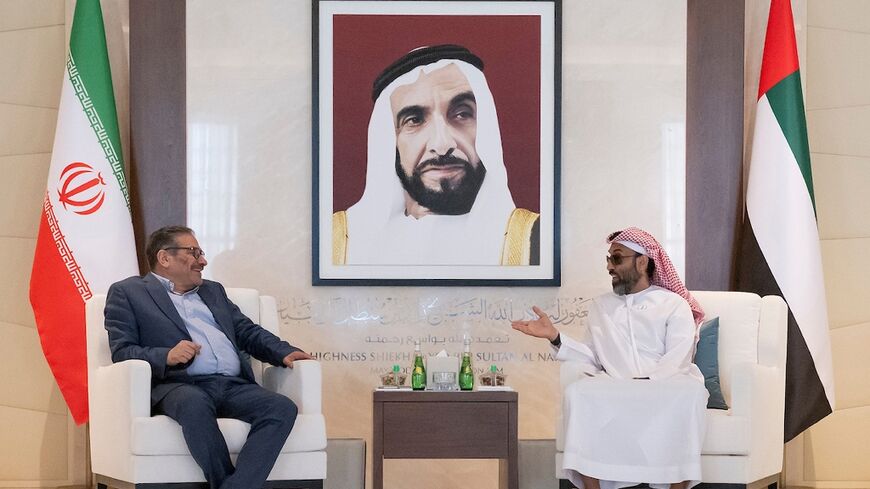
UAE top national security adviser Sheikh Tahnoun bin Zayed al-Nahyan (R) met his Iranian counterpart Ali Shamkhani in Abu Dhabi on Thursday, as seen in this picture released by the Emirati presidency