Syrians gripped by grim Ramadan TV series alluding to Assad dynasty

A Ramadan television series featuring sinister plotlines inspired by President Bashar al-Assad's family has had Syrians glued to their screens, from those hunkered in the war-torn country to those abroad.

The series, "Smile, General", is set in an imaginary Arab country. But references to the Assad dynasty, in power in Syria for more than half a century, are clear through various characters and aspects of the plot.

The series is set in an imaginary Arab country but references to the Assad family dynasty are clear

A real gem: in Bahrain, only natural pearls will do

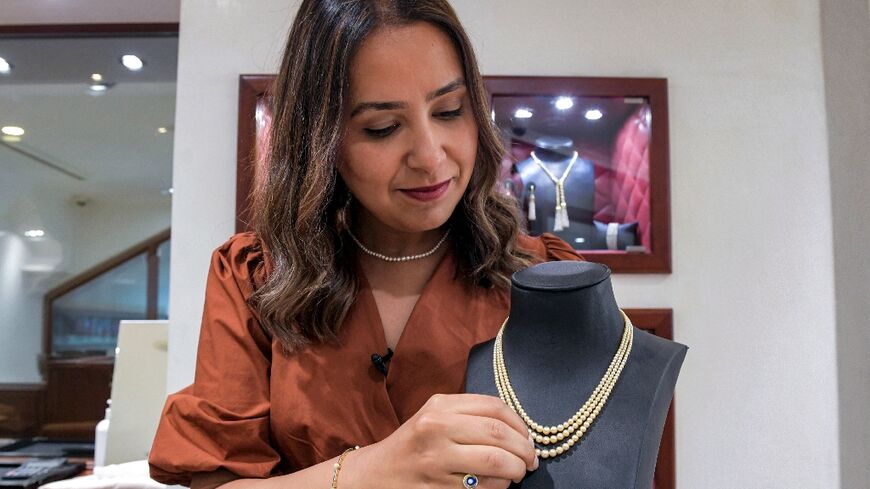
Customers at a Bahrain jewellery store study displays of pearls that are, unusually, 100 percent natural -- the result of attempts to preserve a centuries-old industry.

While rare elsewhere, natural pearls prised from seabed oysters by divers are the only variety produced in the Gulf kingdom, which is fiercely proud of its pearling tradition.

Bahrain, a tiny island state neighbouring Qatar, is the sole country worldwide to have banned the cultivation of artificial pearls, which have flooded the market since the 1920s.

Faten Mattar is one of the first women to work in the family business, one of the oldest pearl shops in Bahrain

Eid for Sunni Muslims starts on Friday, Shiites wait another day

Saudi Arabia, home to Islam's holiest shrines, and other Sunni Muslim countries announced Thursday the holiday of Eid al-Fitr marking the end of the Ramadan fast will begin on Friday.

In some countries with a Shiite Muslim majority, authorities have said the holiday will start on Saturday.

"Tomorrow, Friday, is the first day of Eid al-Fitr for this year," with Thursday the last day of the holy month of Ramadan, the official Saudi Press Agency said on its Twitter account, citing a royal court statement.

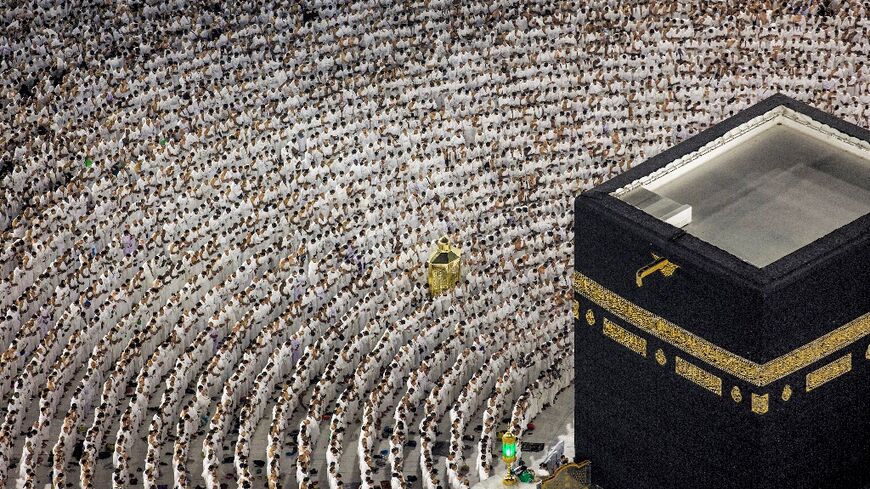
Muslim worshippers pray around the Kaaba, Islam's holiest shrine, in Mecca during Ramadan

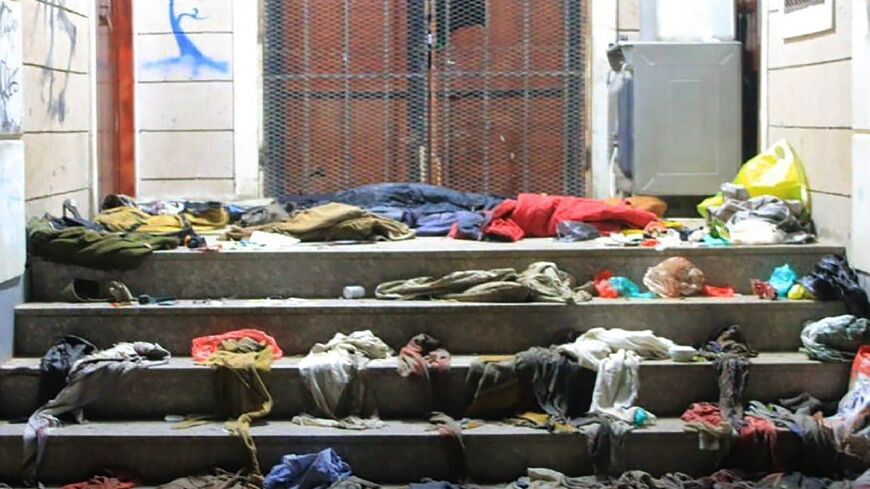
Tattered clothes, bloodstains mark Yemen's deadly crush

Torn clothes and discarded sandals litter the alleyway outside Yemen's Maeen School, which was turned into a scene of terror when a Ramadan handout went disastrously wrong on Thursday.

As the Huthi rebels that control Yemen's capital investigate the crush that killed at least 85 people, a sense of fear and sadness pervades this corner of Sanaa's Old City.

The gates to the school have been ripped off and flung to the ground. Tattered clothing and shoes are piled up outside, along with an abandoned crutch. Stone stairs leading to the school are stained with blood.

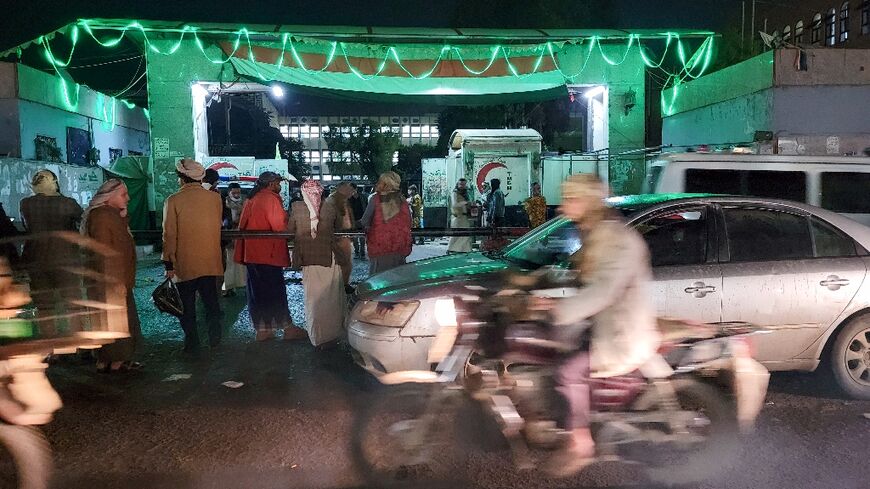
Yemenis wait outside a hospital after the stampede

Iran army gets 200 new 'strategic' drones: state media

Iran's defence ministry has delivered the army with more than 200 new drones equipped with missile capabilities and electronic warfare systems, state media reported on Thursday.

In a ceremony broadcast on television, Defence Minister Mohammad-Reza Ashtiani handed over "more than 200 long-range strategic drones" to army chief Abdolrahim Mousavi, the official news agency IRNA said.

Produced by the Iranian defence ministry, the drones are designed for reconnaissance and strike missions, and can carry air-to-air and air-to-surface missiles, IRNA said.

The new Iranian-made drones are designed for reconnaissance and strike missions

Turkey: Erdogan's rival breaks taboo by talking about being an Alevi

President Recep Tayyip Erdogan's rival in next month's election has confronted a Turkish political taboo by speaking out about being an Alevi -- a group targeted by decades of discrimination and violent attacks.

Kemal Kilicdaroglu's video message to young voters late on Wednesday addresses the unspoken worry that voters in the predominantly Sunni country are not ready to elect an Alevi president on May 14.

Alevis follow a heterodox Islamic tradition that separates them from Sunni and Shiite Muslims. Some view it as a cultural identity as much as a religious faith.

Opposition leader Kemal Kilicdaroglu has rarely spoken about being part of Turkey's Alevi minority

What we know: Sudan generals' deadly fight for power

Over 300 people have died and hundreds wounded in ongoing battles between Sudan's regular army and a powerful paramilitary force after long-running bitter brinkmanship spilled into conflict.

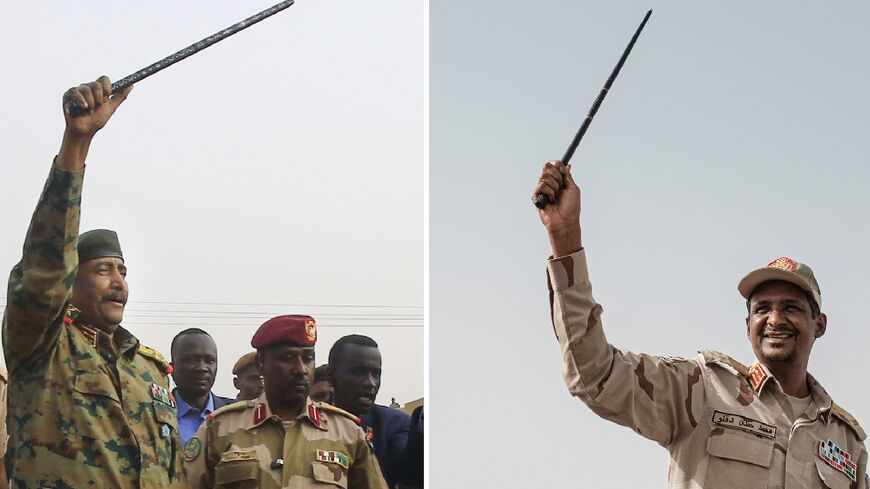
At its heart lies two rival generals, army chief Abdel Fattah al-Burhan and his deputy, Mohamed Hamdan Daglo, commander of the large and heavily armed paramilitary Rapid Support Forces (RSF), formed from members of the Janjaweed militia that led years of extreme violence in Darfur.

Together, they seized power in a 2021 coup.

This file picture composite shows General Abdel Fattah al-Burhan (L), in Khartoum's twin city of Omdurman on June 29, 2019 and Sudanese paramilitary commander Mohamed Hamdan Daglo in Khartoum on June 18, 2019

Clashes in Sudan despite calls for Eid ceasefire

Sudan's warring forces clashed again in the nation's capital early Friday, with bombing and shelling reported in several areas of Khartoum, as they ignored appeals by world powers for an end-of-Ramadan ceasefire.

Both UN Secretary-General Antonio Guterres and US Secretary of State Antony Blinken called separately for a ceasefire of "at least" three days to mark Eid al-Fitr in the mostly Muslim country, as explosions and gunfire resounded in the capital Khartoum for the sixth straight night.

85 dead, hundreds injured in Yemen crush over $8 handout

At least 85 people were killed and hundreds injured in a crush at a Ramadan cash handout in Yemen early on Thursday, as the impoverished country suffered one of its worst tragedies just as optimism was growing over its bitter civil war.

Three people were detained over the stampede in Sanaa, the rebel-held capital, after big crowds gathered at a school to receive gifts of 5,000 rial (about $8) -- enough for a large family meal -- for the end of Ramadan, the Muslim holy month.

Abandoned clothes littered the scene after the tragedy

Under fire, Sudanese civilians mobilize relief online

Trapped inside their homes for days as intense street battles rage between Sudan's rival generals, Khartoum's residents have banded together on social media offering aid, advice and support.

WhatsApp groups crowd-source needs, while medical professionals upload first-aid video tutorials, and others in the city of more than five million people work together to provide any support they can.

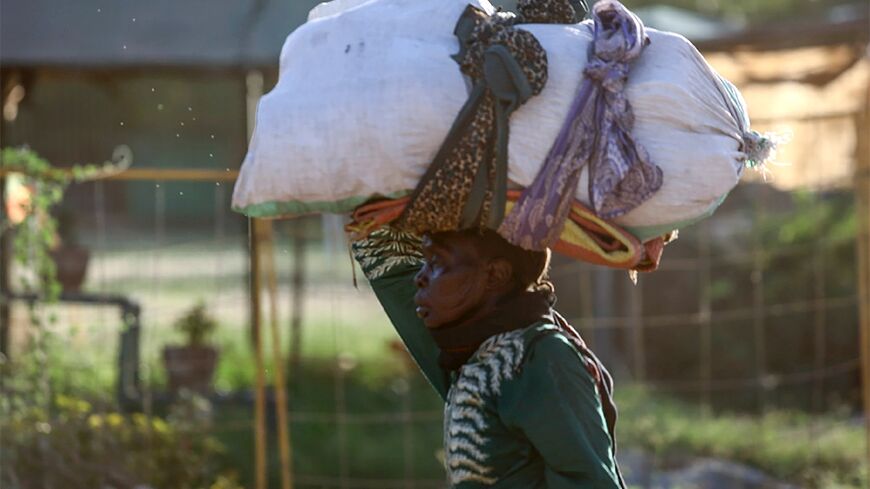
A woman carries her belongings as she flees amid fighting between the army and paramilitaries in Khartoum on April 19