US urgently tries to shape Israel's response to Iran

The United States knows Israel will retaliate after Iran's major missile attack, and even says it supports such a move, but is trying to influence the nature of the response, warning against targeting Tehran's nuclear facilities.

US President Joe Biden, who consulted with his G7 counterparts on Wednesday after the Islamic republic fired off about 200 ballistic missiles, set a clear red line for Israeli Prime Minister Benjamin Netanyahu.
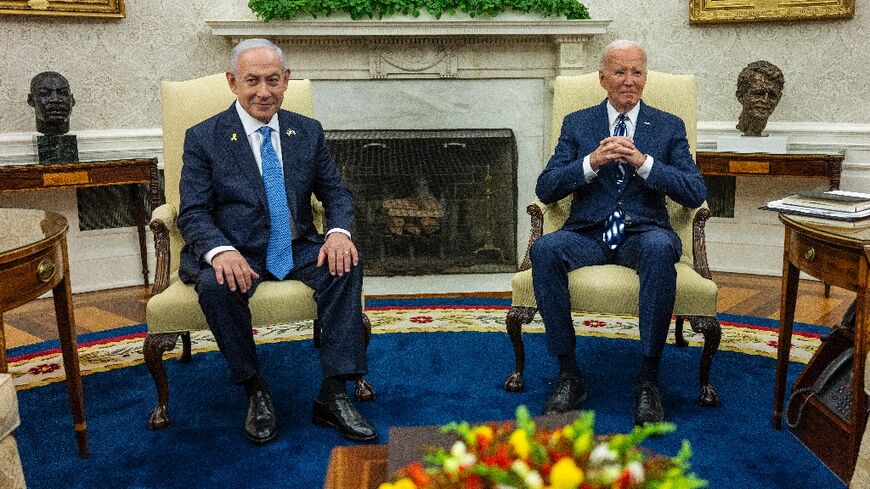
US President Joe Biden has set a clear red line for Israeli Prime Minister Benjamin Netanyahu on how to respond to Iran

Jewish pilgrims journey to Ukraine, from one war to another

Like thousands of other pilgrims, Rony Eli-Ya travelled from his home in Israel to the Ukrainian city of Uman this week for Rosh Hashanah, one of the most important holidays in the Jewish calendar.

The city has been a site of worship for over 200 years, but with Russia's ongoing invasion and airlines cancelling flights due to rising tensions in the Middle East, the journey has become even harder.

Thousands of Orthodox Jewish pilgrims converge on the Ukrainian city of Uman every year

Israel strikes turn bustling south Beirut into ghost town

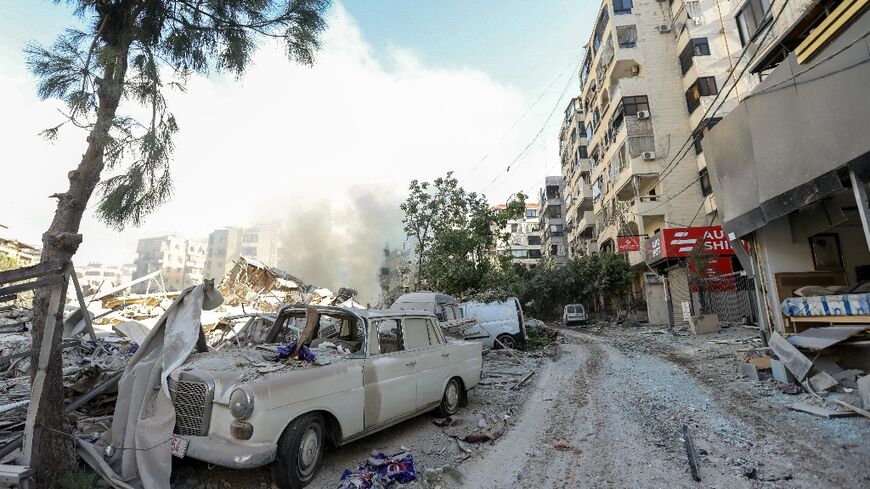
Beirut's southern suburbs, a stronghold of the Hezbollah militant group, are usually teeming with life but on Wednesday the rubble-strewn streets and burning buildings were almost empty after days of Israeli bombardment and evacuation orders.

AFP photographers saw thick smoke rising from buildings hit by overnight strikes while young men on mopeds sped along largely empty roads and residents grabbed what they could from their homes, some driving off with mattresses tied to car roofs.

The streets of southern Beirut were deserted following bombing by Israel targeting Hezbollah

'Sickening cycle of escalation' in Mideast must stop, UN chief says

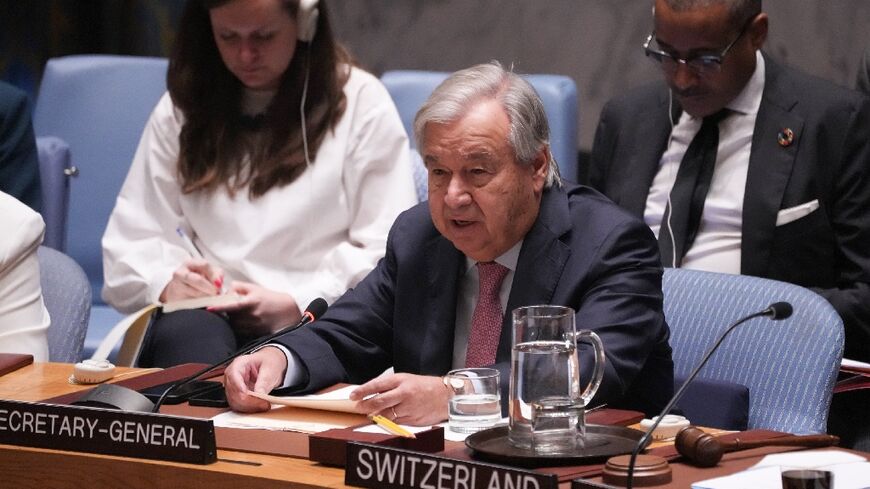
UN chief Antonio Guterres called Wednesday for an end to the "sickening cycle of escalation" in the Middle East, while specifically condemning Iran over its latest missile attack after facing harsh criticism from Israel.

The secretary-general was speaking at an emergency meeting of the UN Security Council, called after Iran on Tuesday launched a massive missile barrage at Israel, which has ramped up its offensive against Hezbollah in Lebanon.

UN Secretary-General Antonio Guterres at a Security Council meeting on the situation in the Middle East

How will Israel react to Iranian missile attack?

Israel's pledge to respond to a massive missile strike from Iran has sent diplomats scrambling for ways to avert a full-blown regional war.

AFP spoke with five experts about Iran's calculations, Israel's choices and fears of escalation.

- Why did Iran order missile strike? -

The Islamic Republic is seen as having suffered a series of Israeli-inflicted humiliations over the last year which have left its strategy of building up allies across the Middle East in tatters.

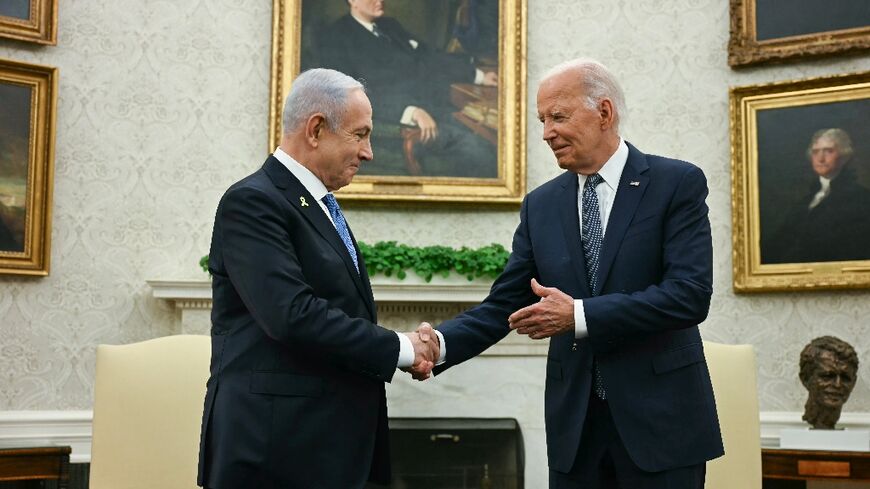
US President Joe Biden welcomes Israeli Prime Minister Benjamin Netanyahu for talks at the White House

Iran's 'axis of resistance': a coalition against Israel, US

Iran's "axis of resistance" is spread across several Middle Eastern countries and includes Syria as well as Hamas, Hezbollah and other groups that are united in their opposition to Israel and the United States.

Militant groups in Iraq and Yemen's Huthi rebels are also part of the coalition whose attacks on Israel over the past year culminated in Tuesday's missile barrage from Iran.

Here is the history and motivation behind the grouping that has grown in prominence since October 7 last year, when Hamas's deadly attack on Israel triggered the Gaza war.

- Who are they? -

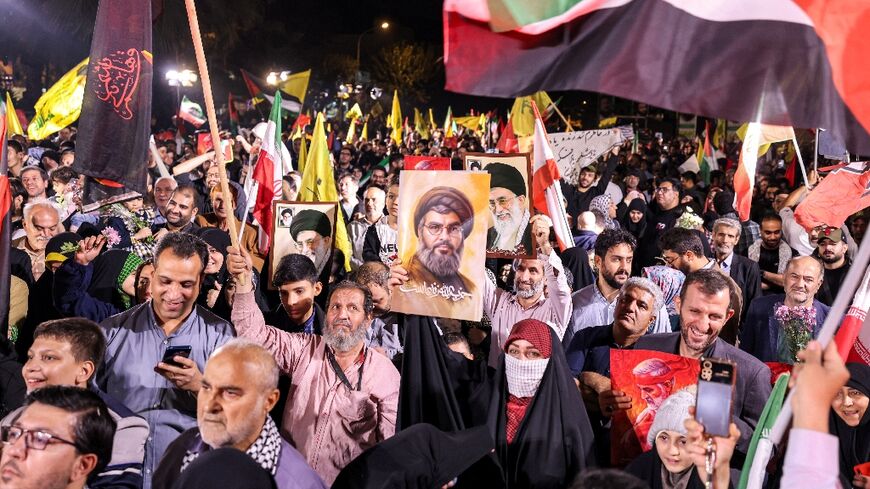
Pride and fear in Iran after missile attack on Israel

On the streets of Tehran, a small crowd celebrated Iran's missile attack on Israel while others are worried about the consequences of the Islamic Republic's boldest move yet in a year of escalating Middle East conflict.

Local media carried footage of what Iran said were 200 missiles as they were fired towards Israel on Tuesday evening, while state television played upbeat music over the images and showed crowds of a few hundred people celebrating the attacks in the capital and other cities across the country.

A crowd celebrated the Iranian strikes on Tuesday in Tehran, some of them holding posters of slaim Hezbollah leader Hassan Nasrallah

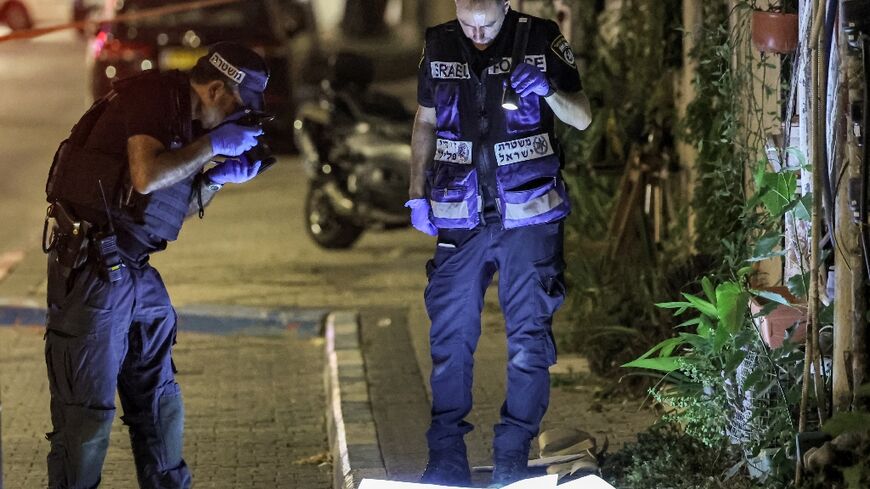
Hamas claims Tel Aviv shooting attack that killed seven

Hamas's armed wing claimed responsibility on Wednesday for the killing of seven people in a shooting and stabbing attack in Israel's commercial hub Tel Aviv the previous day.

The attack -- one of the deadliest in the country since the October 7 Hamas onslaught -- came as Iran fired about 200 missiles at Israel, sending hundreds of thousands of people into public shelters.

Police forensics experts examine the scene of the deadly knife and gun attack in the Jaffa district of Israel's commercial hub Tel Aviv

Driven out of Iran, Afghan refugees tell of ordeal

At the border with Iran, streams of Afghan refugees return with children in their arms, their entire worldly possessions contained in a large bag.

Every day up to 3,000 Afghans -- some who were born in Iran -- arrive back in their home country after a failed attempt at a better life.

"Refugees face a lot of physical and mental torture," Abdul Ghani Qazizada, responsible for registering the arrivals in the border town of Islam Qala, told AFP.

Many entered Iran illegally or let their visas expire. Nearly 90 percent have been deported, with the rest returning voluntarily.

An Afghan refugee sits with his children after their deportation from Iran, at a registration centre near the Afghanistan-Iran border in the Islam Qala district of Herat province

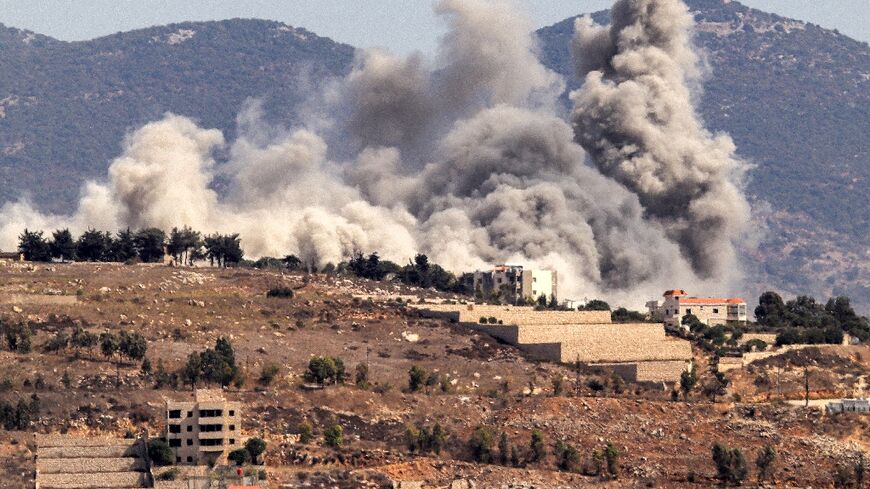
Deadly Israeli strike on central Beirut after soldiers killed

Israel carried out a deadly air raid Thursday on a Hezbollah rescue facility in central Beirut, Lebanese sources said, after multiple Israeli ground troops were killed near the border.

The second strike targeting the capital's centre this week follows Iran launching its largest missile attack yet on its arch-foe Israel, prompting Prime Minister Benjamin Netanyahu to warn Tehran would pay for its "big mistake".

Smoke clouds erupt during an Israeli air strike on Khiam in southern Lebanon near the border with Israel on October 2, 2024