White House says 'not there yet' on Gaza ceasefire and hostage deal

The White House is working on a ceasefire and hostage release deal in Gaza but is "not there yet," the US National Security Advisor told NBC on Sunday, with fighting in the conflict raging on as regional leaders meet to discuss the crisis.

"We are working actively to try to make it happen. We are engaged deeply with the key players in the region, and there is activity even today," said Jake Sullivan, according to a transcript released by the broadcaster.
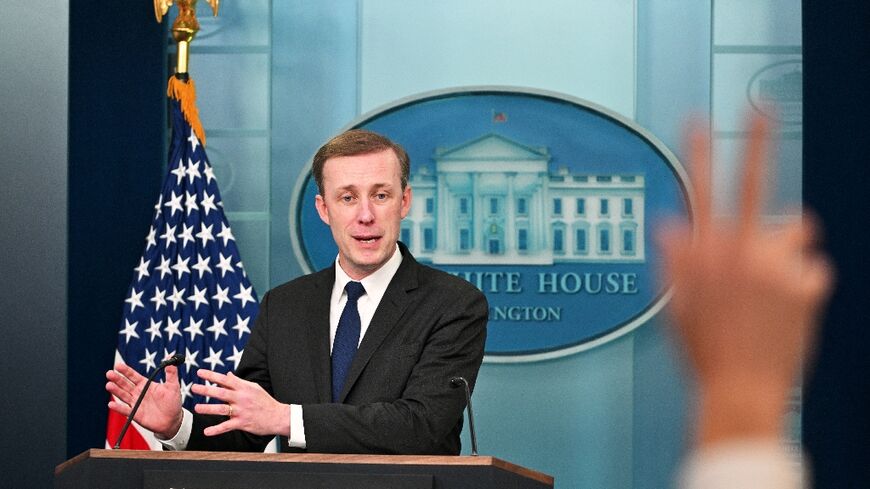
US National Security Adviser Jake Sullivan's comments came a day after Israel hit Hezbollah targets in Lebanon, days into a fragile ceasefire in its conflict with the Iran-backed group

Syria's embattled Assad seeks to shore up support after Aleppo loss

Syrian President Bashar al-Assad sought to shore up support from his allies Sunday, after a monitor said a shock rebel offensive saw government forces lose control of Aleppo for the first time since the start of the country's civil war.

An Islamist-dominated rebel alliance attacked forces of the Iranian- and Russian-backed government on Wednesday, the same day a fragile ceasefire took effect in neighbouring Lebanon between Israel and Iran-backed Hezbollah after two months of all-out war.

A war monitor said Russian air strikes hit the rebel-held city of Idlib

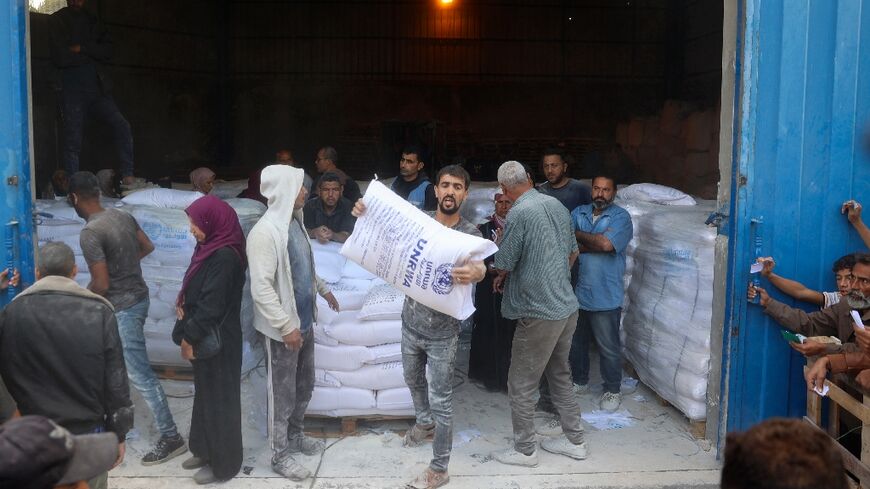
UNRWA stops aid delivery via key Gaza-Israel crossing

The UN agency for Palestinian refugees has halted the delivery of aid through the key Kerem Shalom crossing between Israel and Gaza because of safety fears, its chief said Sunday.

"The road out of this crossing has not been safe for months. On 16 November, a large convoy of aid trucks was stolen by armed gangs," UNRWA head Philippe Lazzarini posted on X.

"Yesterday, we tried to bring in a few food trucks on the same route. They were all taken," he added, warning hunger was "rapidly deepening" in Gaza.

The ban on UNRWA sparked global condemnation including from key Israeli backer the United States

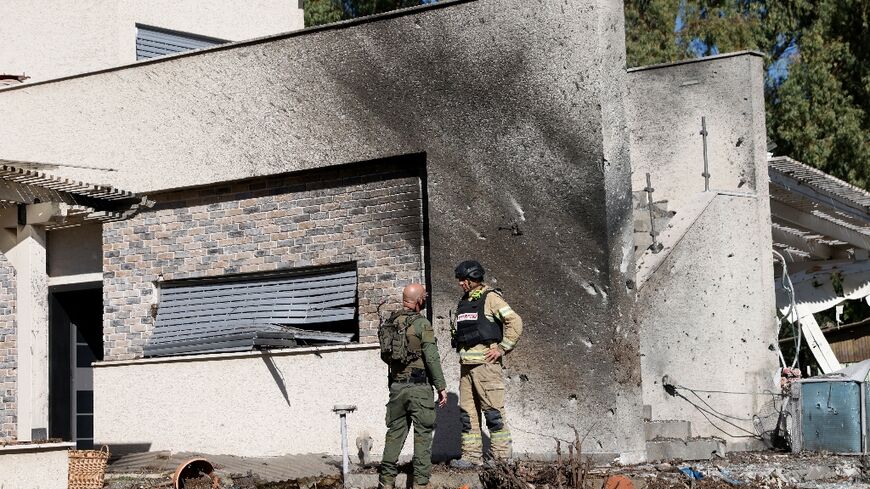
Displaced Israelis fear returning home despite Lebanon truce

Despite the relative calm in the Israeli border town of Kiryat Shmona since a ceasefire took effect between Israel and Hezbollah, Rakhel Revach said she was not moving back just yet.

"Why am I not returning to live here? I want to return with full security," the 57-year-old said on a brief visit to pick up some personal belongings.

"As long as there is no full security and I still hear booms and see the army inside (Lebanon), I am not willing to return."

The damage from the war between Israel and Hezbollah can be seen across the northern Israeli town of Kiryat Shmona

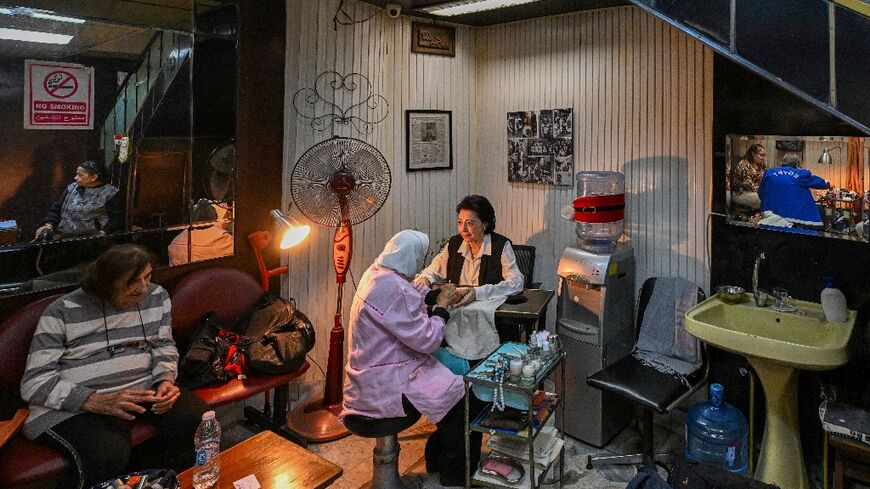
Manicurist to the stars keeps Cairo's golden age alive

Nestled in a hidden alley off a bustling thoroughfare in the heart of the Egyptian capital sits an unassuming little manicure shop concealing a historic legacy.

Today, Madame Lucie's small establishment is dwarfed by the sleek facades of modern cafes, fashion boutiques and fast food chains that have all but snuffed out Cairo's old grandeur.

But decades ago, the shop's seats were occupied by the likes of Nobel laureate Naguib Mahfouz, international singing sensation Dalida and cinematic heartthrob Omar Sharif, all of whom sought the now 88-year-old manicurist's expert hand.

Madame Lucie's is one of a handful of Armenian businesses that survived president Gamal Abdel Nasser's nationalisation drive of the 1960s

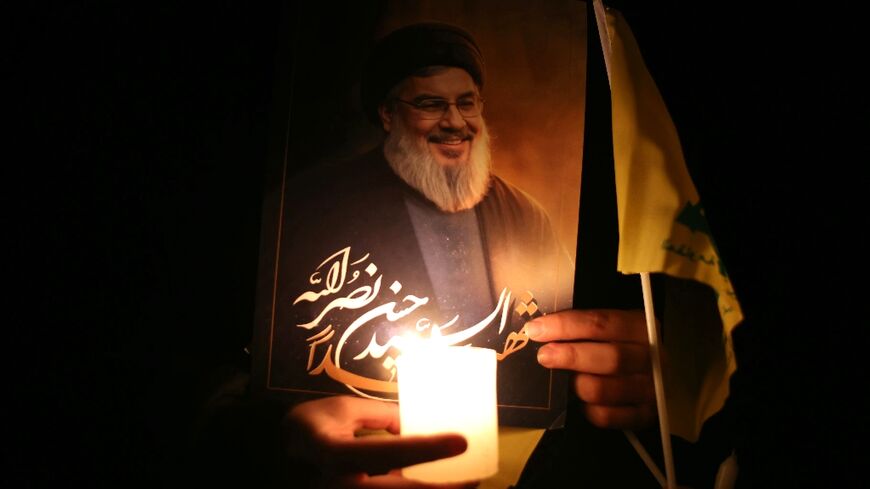
Hundreds gather at site of air strike to remember Hezbollah chief

Hundreds of people, many in tears, gathered in Beirut's southern suburbs late Saturday at the site where former Hezbollah leader Hassan Nasrallah was killed in an Israeli air strike two months ago.

Candles and the group's yellow flags were planted in and around the huge crater left by the attack during a ceremony organised by the Lebanese militant group, whose latest war with Israel came to a end when a fragile ceasefire went into effect on Wednesday.

A mourner carries a candle and a portrait of slain Hezbollah chief Hassan Nasrallah during a vigil at the site where he was killed

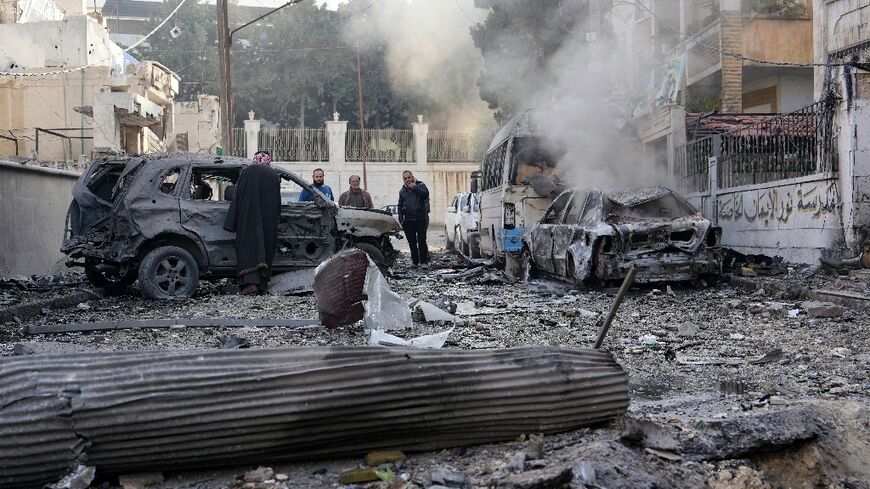
Israel hits Hezbollah targets in Lebanon days into fragile truce

The Israeli military carried out air strikes in Lebanon Saturday against Hezbollah activities that it said "posed a threat", days into a fragile ceasefire between it and the Iran-backed group.

The army said it had also struck "military infrastructure" on the Syria-Lebanon border, where it accused Hezbollah of smuggling weapons in violation of the truce.

What do we know about Syrian rebels' major offensive on Aleppo?

Rebel forces opposing President Bashar al-Assad have launched their biggest offensive in years this week, controlling a majority of Syria's second city of Aleppo according to a monitor.

Government forces offered little resistance, the war monitor said, and the army admitted that rebels had entered "large parts" of the city.

Why have the Syrian rebels and their allies from Turkish-backed factions decided to attack after years of relative calm, and what is at stake?

- Why now? -

Anti-government fighters in central Aleppo prepare to topple the equestrian statue of Bassel-al-Assad, the late brother of Syrian President Bashar al-Assad

Syria war monitor says rebels control most of Aleppo city

A monitor of Syria's war said on Saturday that rebels controlled most of Aleppo city, reporting Russian air strikes on parts of Syria's second city for the first time since 2016.

Syria's army admitted that rebels had entered "large parts" of Aleppo and said "dozens of men from our armed forces were killed and others wounded".

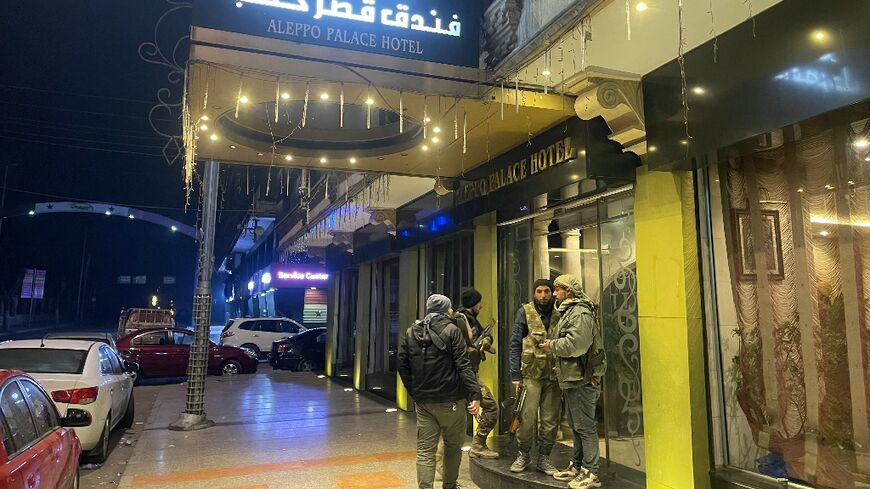
Anti-government fighters gather in front of a hotel in central Aleppo, Syria's second city which a war monitor said jihadist rebels now control most of

Hezbollah says to help army build Lebanon's defensive capacities

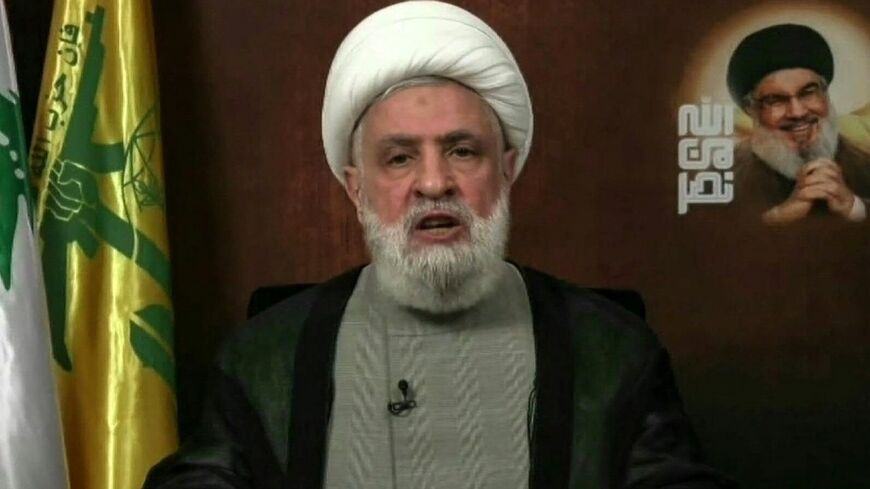
Hezbollah chief Naim Qassem on Friday vowed to cooperate with the Lebanese army and help build the country's defence capacities amid efforts to implement the terms of a ceasefire with Israel.

Qassem was speaking for the first time since the start of the ceasefire on Wednesday that envisions both Hezbollah and the Israeli military withdrawing from south Lebanon and the Lebanese military deploying there alongside UN peacekeepers.

An image grab taken from Hezbollah's Al-Manar TV shows Hezbollah chief Naim Qasem delivering a televised speech from an undisclosed location