Iran strikes UAE’s Fujairah oil hub as US pushes Hormuz reopening
The United States launched an initiative to restart commercial shipping through the Strait of Hormuz on Monday as the UAE braced for fallout amid new missile and drone attacks.


A fire broke out at the Fujairah oil complex in the United Arab Emirates following a drone attack on Monday evening, according to Fujairah’s media office, as the Gulf state said it had intercepted cruise missiles and loitering munitions launched by Iran. The renewed hostilities come as the Trump administration ramps up efforts to restart commercial shipping through the Strait of Hormuz amid a fragile US-Iran ceasefire.
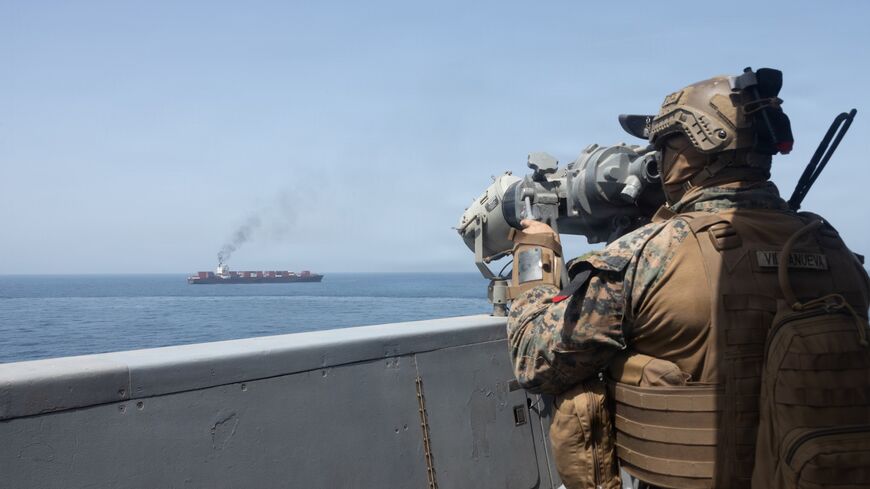
Details: Residents in the UAE received multiple emergency alerts throughout the day on Monday — the first such notices in weeks — amid renewed tensions in the ongoing US-Israel-Iran conflict. The news came as the United States launched a new initiative, dubbed “Project Freedom,” on Monday aimed at restoring maritime traffic through the chokepoint by deploying naval escorts, aircraft and thousands of personnel to support commercial vessels.
Two US-flagged merchant vessels have successfully sailed through Hormuz and US Navy guided-missile destroyers are currently operating in the Gulf after transiting the waterway in support of Project Freedom, US Central Command announced on Monday.
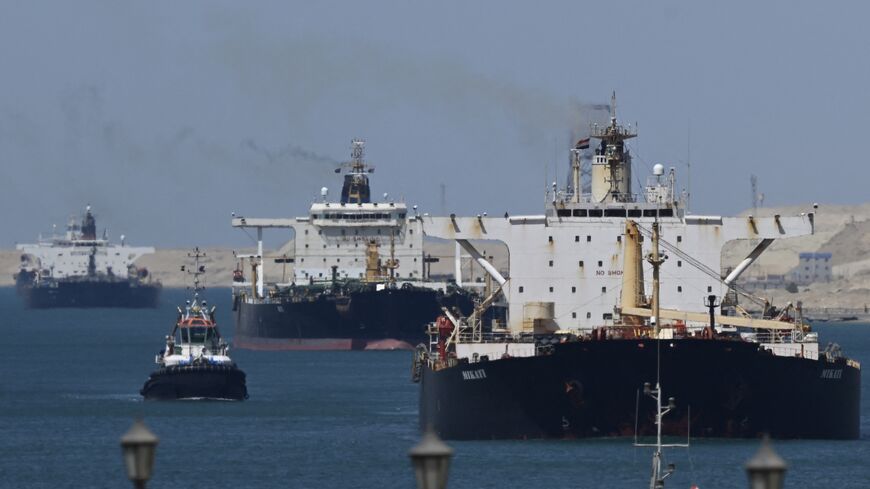
The developments follow President Donald Trump’s announcement on Sunday that the United States would help guide stranded vessels through the waterway, through which about 20% of global crude supplies typically flow.
But the security situation remains volatile. On Monday, the UAE's Ministry of Foreign Affairs condemned a drone attack targeting a tanker affiliated with its state oil giant ADNOC as it transited through Hormuz, calling the incident a “flagrant violation” of international law. Iran’s military, meanwhile, warned it would target any US forces entering the waterway, while state-linked media outlets claimed that a US warship had been struck. CENTCOM has refuted the report.
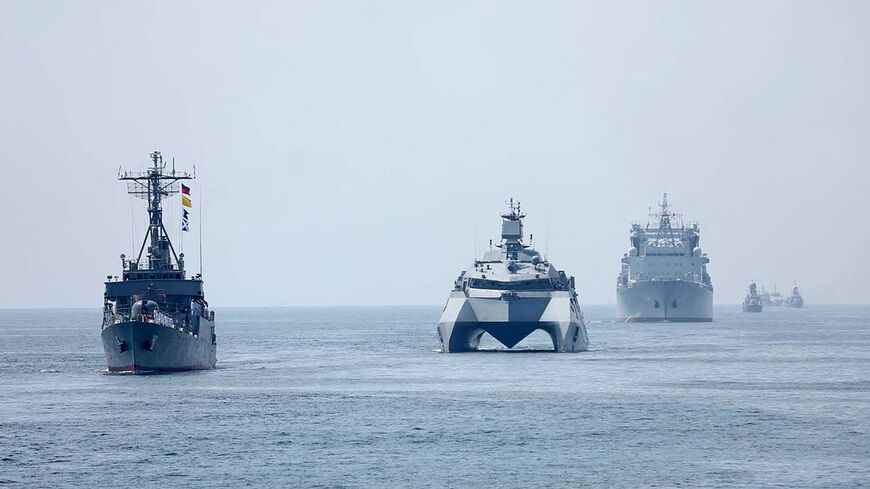
Also on Monday, Iran also declared a new “maritime control zone” in the strait and warned commercial vessels against transiting without coordination with Iranian forces, per the Tasnim news agency. Iranian officials said naval units fired warning shots at US destroyers attempting to approach the area, framing any such movement as a potential breach of the ceasefire.
Markets have reacted nervously. Brent crude briefly jumped about 5% earlier on Monday before easing to near $110 per barrel as regional equity markets fluctuated throughout the day. Following news of the UAE's interceptions, Brent ticked back up past $114 as 11:38 a.m. EDT. Last week, oil briefly rose past $120 to a new wartime high.
Why it matters: The latest developments expose the gap between US efforts to reopen Hormuz and the risks on the ground amid signs that diplomacy remains mostly deadlocked. While Washington is saying it can secure passage, Iran is reinforcing its deterrence posture, raising the possibility of further confrontation.
Questions also persist about enforcement. Ship-monitoring website TankerTrackers.com noted on Monday that at least one Iranian liquefied petroleum gas tanker had slipped through the US naval blockade, just after Treasury Secretary Scott Bessent told Fox News that the United States has “absolute control” over the waterway and called on allies including China to support escort operations.
With unclear operational details, active threats and continued incidents, insurers and vessel operators are unlikely to quickly resume transits through the conflict-ridden corridor. For markets, the result is continued uncertainty. Oil prices increasingly reflect the prospect of a prolonged standoff amid a historic energy shock, with economic fallout now set to ripple into 2027.
Know more: Market intelligence firm Kpler noted on Monday that a QatarEnergy-operated tanker ended two months of idling in the Arabian Sea by moving to Oman’s Qalhat terminal to load liquefied natural gas. The vessel is the first QatarEnergy-operated tanker to load outside the Strait of Hormuz since the conflict began on Feb. 28.