Bored of peace? Trump keeps choosing war

On a US late-night television show Saturday, the host played a clip from 2011 of a businessman warning that president Barack Obama "will start a war with Iran because he has absolutely no ability to negotiate."

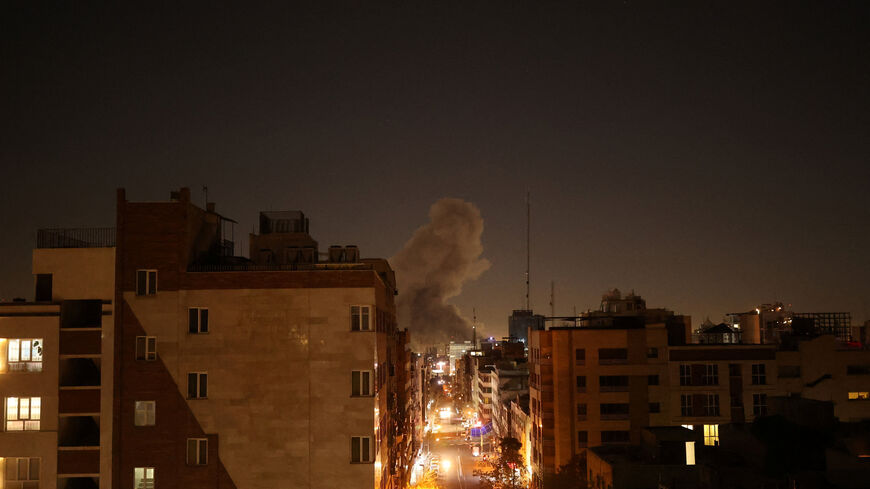
That businessman was Donald Trump. Fast-forward 15 years and Trump, now in his own second term as president, ordered huge military strikes on Iran when talks with Tehran brought no breakthrough.
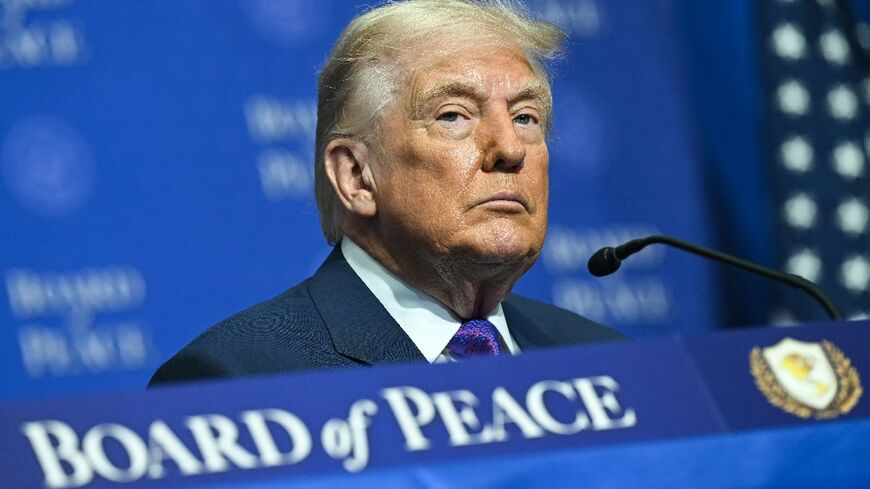
US President Donald Trump has repeatedly proclaimed himself the 'President of Peace'

EU nations call for 'maximum restraint', respect for international law in Iran conflict

By Lili Bayer and Andrew Gray

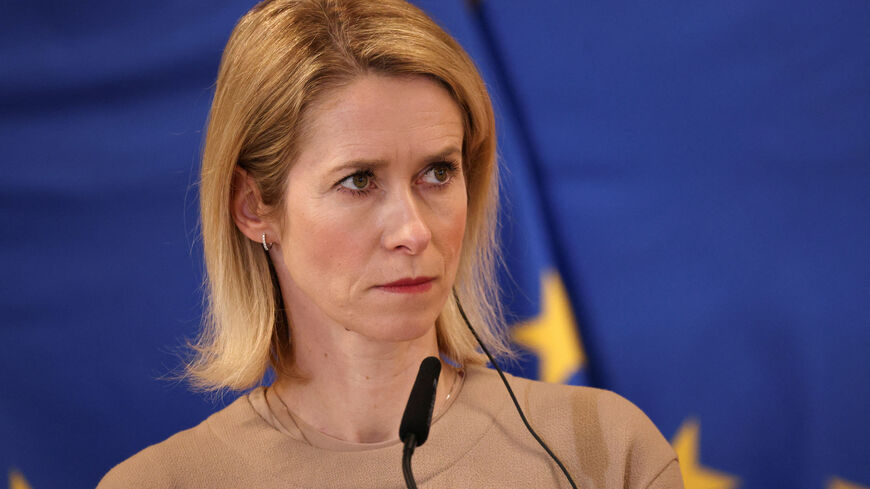
BRUSSELS, March 1 (Reuters) - The European Union's 27 nations on Sunday called for "maximum restraint" and full respect for international law in the Iran conflict, EU foreign policy chief Kaja Kallas said.

"We call for maximum restraint, protection of civilians and full respect of international law, including the principles of the United Nations Charter, and international humanitarian law," said a statement issued by Kallas on behalf of all EU members.

FILE PHOTO: European Union High Representative for Foreign Affairs and Security Policy and European Commission Vice-President Kaja Kallas attends a press conference in Krakow, Poland, February 20, 2026. REUTERS/Kuba Stezycki/File Photo

France, Germany, UK ready to take 'defensive action' against Iran

France, Germany and the UK said Sunday they were ready to defend their interests and those of its allies in the Gulf if necessary by taking "defensive action" against Iran.

The three countries' leaders were "appalled by the indiscriminate and disproportionate missile attacks launched by Iran against countries in the region, including those who were not involved in initial US and Israeli military operations", said the joint statement.

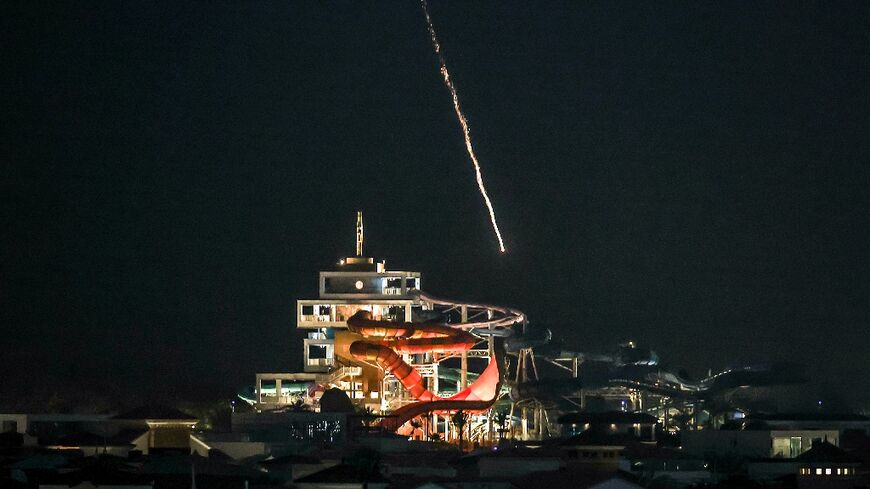
Iran has launched missile and drone strikes on several Gulf countries after being hit by US-Israeli missile strikes

US lawmakers see no Trump plan for Iran following strikes

By Doina Chiacu

March 1 (Reuters) - The United States has yet to spell out a "day-after" strategy for Iran following joint U.S.-Israeli strikes that killed much of the country's leadership, lawmakers from both major political parties said on Sunday.

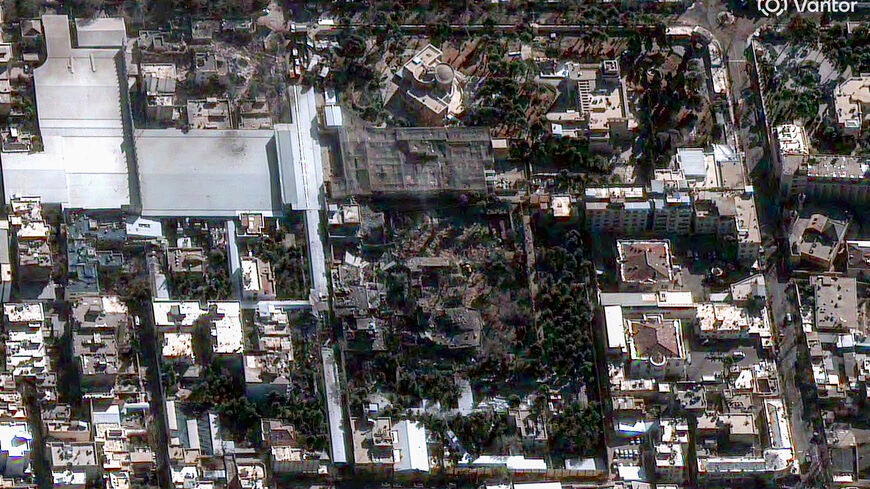
A satellite image of a destroyed residence complex belonging to Supreme Leader Ayatollah Ali Khamenei in Tehran, Iran March 1, 2026. Vantor/Handout via REUTERS

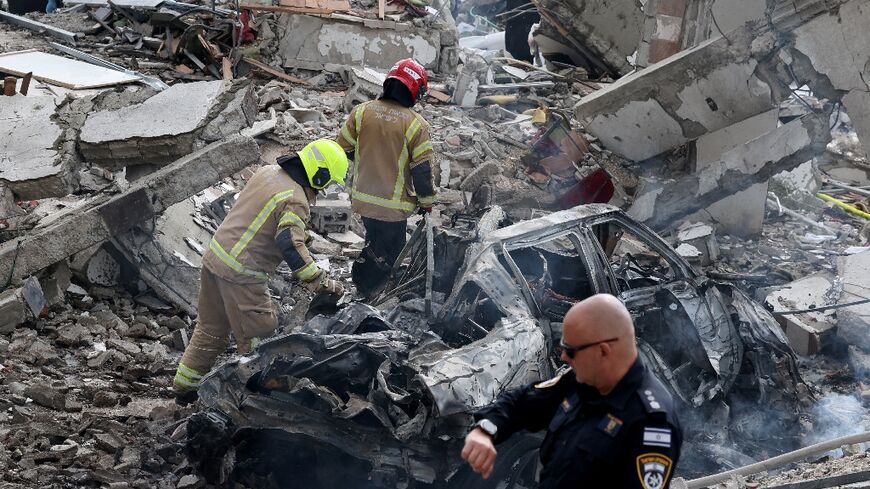
'A terrible day,' says Israel community shaken by deadly Iranian strike

Ilana Malka doesn't know if her three great-nephews are alive after an Iranian missile struck a shelter in her city of Beit Shemesh, in central Israel, leaving a crater in the ground and a void in the community.

The building that housed the shelter was blown to bits by the hit, sending chunks of concrete large enough to destroy cars 50 metres (yards) away.

The missile hit the public protection centre while its door was still open to allow people in, Malka and other residents said, killing at least 9, injuring 46, and leaving 11 missing, according to the police.

Israeli rescue teams still search for missing people after a deadly Iranian missile strike

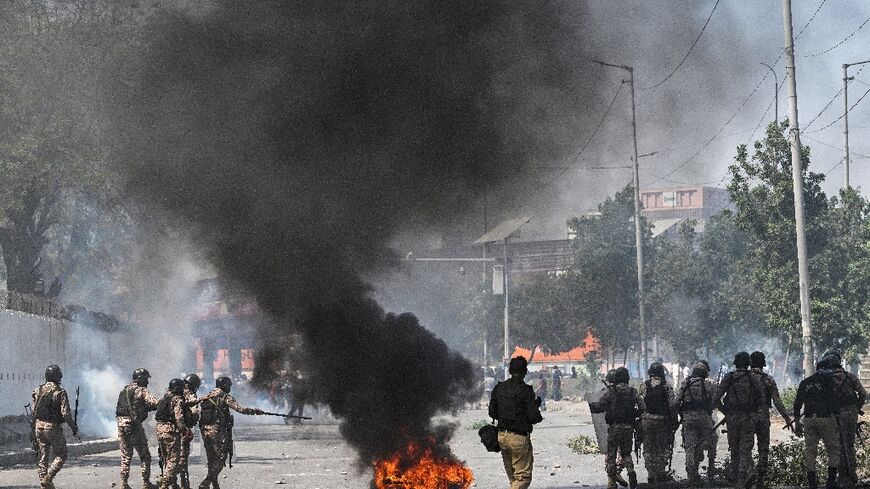
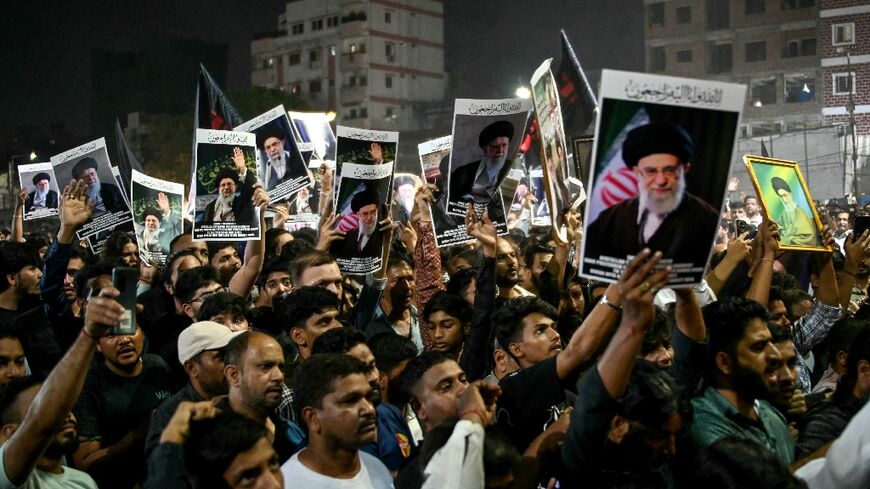
17 killed at pro-Iran protests across Pakistan

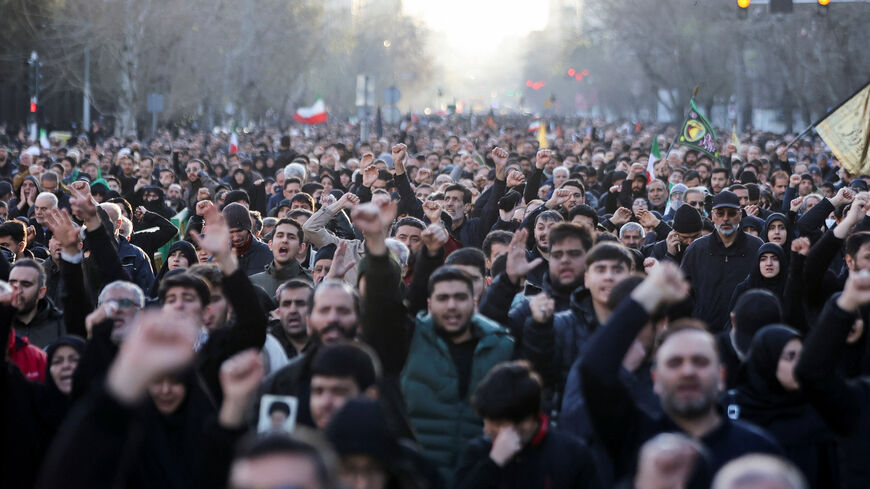
At least 17 people were killed Sunday across Pakistan as protesters outraged over the death of Iran's supreme leader took to the streets, with some attempting to storm US diplomatic buildings.

In the Pakistani megacity of Karachi, an AFP journalist witnessed hundreds of pro-Iranian protesters trying to enter the US consulate, prompting clashes with police.

At least 10 people had died and over 70 were injured as of Sunday evening, the office of the Karachi police surgeon said.

Earlier, a hospital toll seen by AFP listed nine people as having died from gunshot wounds.

Security personnel fire tear gas as Shiite Muslims shout slogans during a protest outside the US consulate in Karachi after the death of Iran's supreme leader Ayatollah Ali Khamenei amid US-Israel strikes

What future for Iranian leadership after Khamenei's death?

The killing of Iran's supreme leader Ayatollah Ali Khamenei and the ongoing US-Israeli bombing campaign have ushered in a period of uncertainty for the country's leadership.

At the beginning of the air campaign, US President Donald Trump urged Iranians to seize power once it was over, having voiced support for mass protests against the clerical leadership that peaked in January before a deadly crackdown.

- Continuity for now -

Iran's political system has established procedures for managing the succession of the supreme leader

US is sinking Iran's Navy, Trump says

By Phil Stewart and Idrees Ali

WASHINGTON, March 1 (Reuters) - U.S. President Donald Trump announced on Sunday that the U.S. military was sinking Iran's Navy, having destroyed nine Iranian warships so far and "going after the rest."

Trump made the announcement in a social media post as the Pentagon intensified its bombings of Iran's military, deploying B-2 stealth bombers from the U.S. to strike at hardened, underground Iranian missile facilities with 2,000-lb bombs.

U.S. strikes also pummeled Iran's naval headquarters, largely destroying it, Trump said.

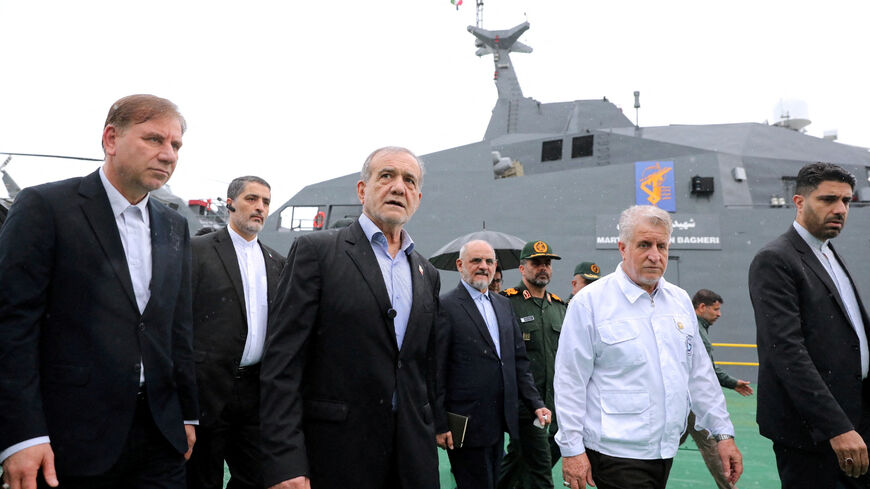
FILE PHOTO: Iranian President Masoud Pezeshkian visits IRGC Navy equipment in Bushehr, Iran, February 13, 2025. Iran's Presidential website/WANA (West Asia News Agency)/Handout via REUTERS/File Photo